1. A'Famosa fortress
An iconic remnant of the Portuguese era, A'Famosa is one of the oldest European structures in Southeast Asia. Don't miss Porta de Santiago, the only remaining gate of this 16th-century fortress.
Discover the 6 must-see attractions in this UNESCO-listed historic city: fortresses, temples, river cruises and legendary street food.
See the activities
A UNESCO-listed historic city, Malacca (Melaka) is a cultural gem where Portuguese, Dutch and Malay influences come together. In 2 to 3 days, explore A'Famosa fortress, Christ Church and the Stadthuys, stroll along Jonker Street, take a river cruise and discover Bukit China. An immersion in Malaysian history and traditions.
Tickets for historic sites, river cruises and guided tours.
An iconic remnant of the Portuguese era, A'Famosa is one of the oldest European structures in Southeast Asia. Don't miss Porta de Santiago, the only remaining gate of this 16th-century fortress.
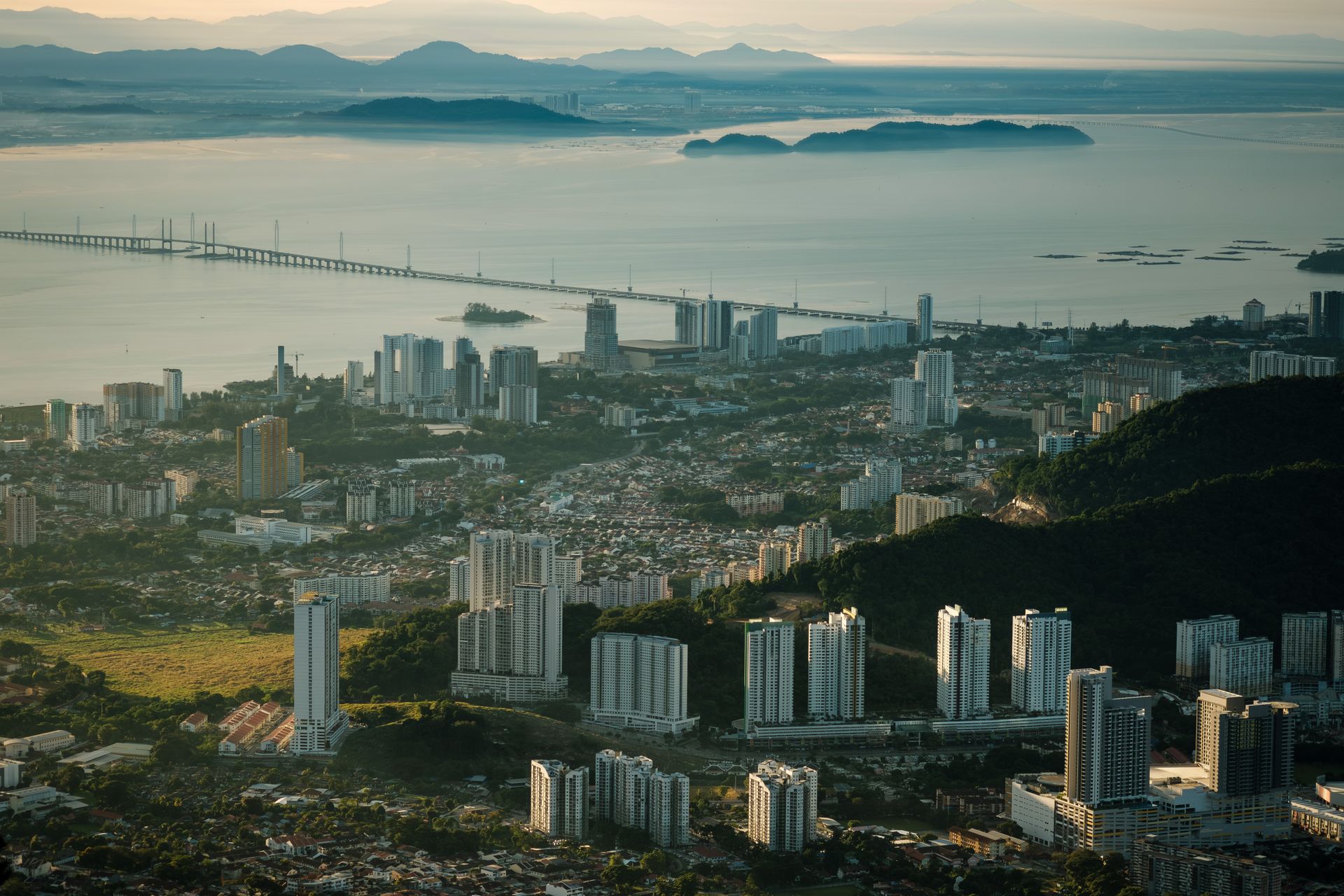
The largest Chinese cemetery outside China, Bukit China offers panoramic views over Malacca and is home to graves dating back to the 15th century. A peaceful place steeped in history, ideal for a morning stroll.
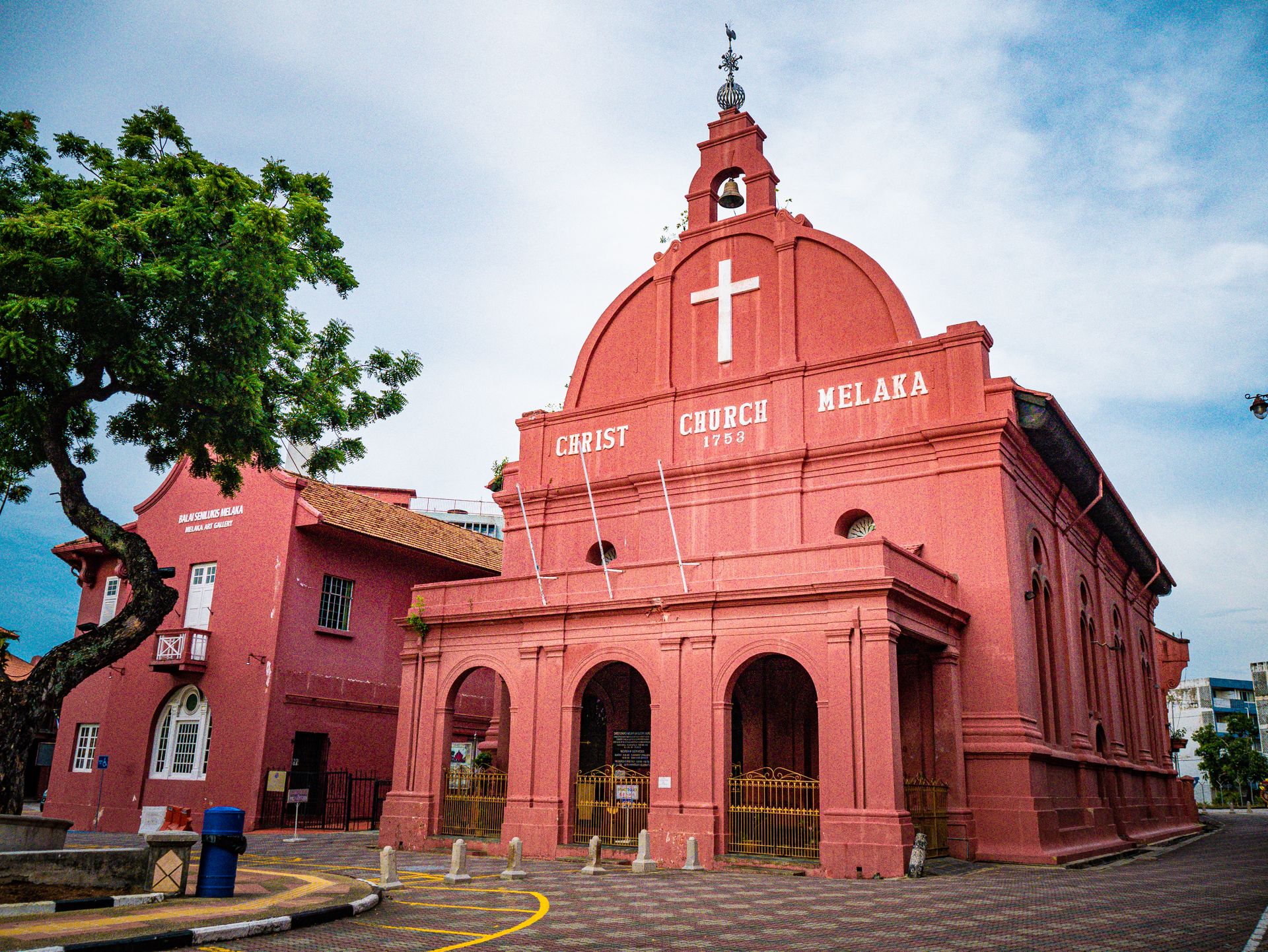
A Protestant church built by the Dutch in 1753, Christ Church is an architectural masterpiece with its red walls, wooden ceiling and original pews. Located on the red square, it is a symbol of Malacca.
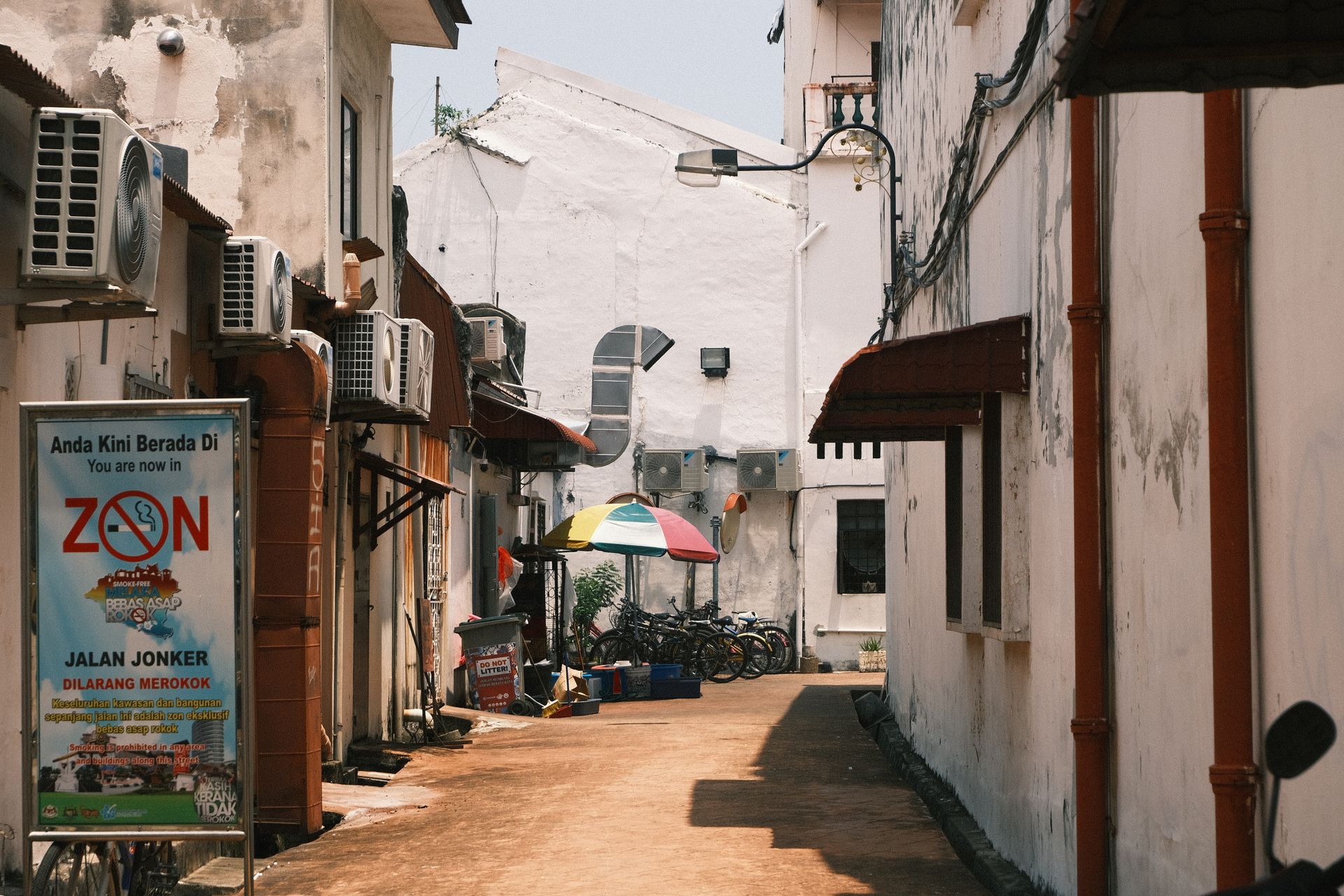
The beating heart of the old town, Jonker Street comes alive at weekends with its night market. Antiques, handicrafts, street food and a festive atmosphere: an unmissable experience for discovering Peranakan culture.
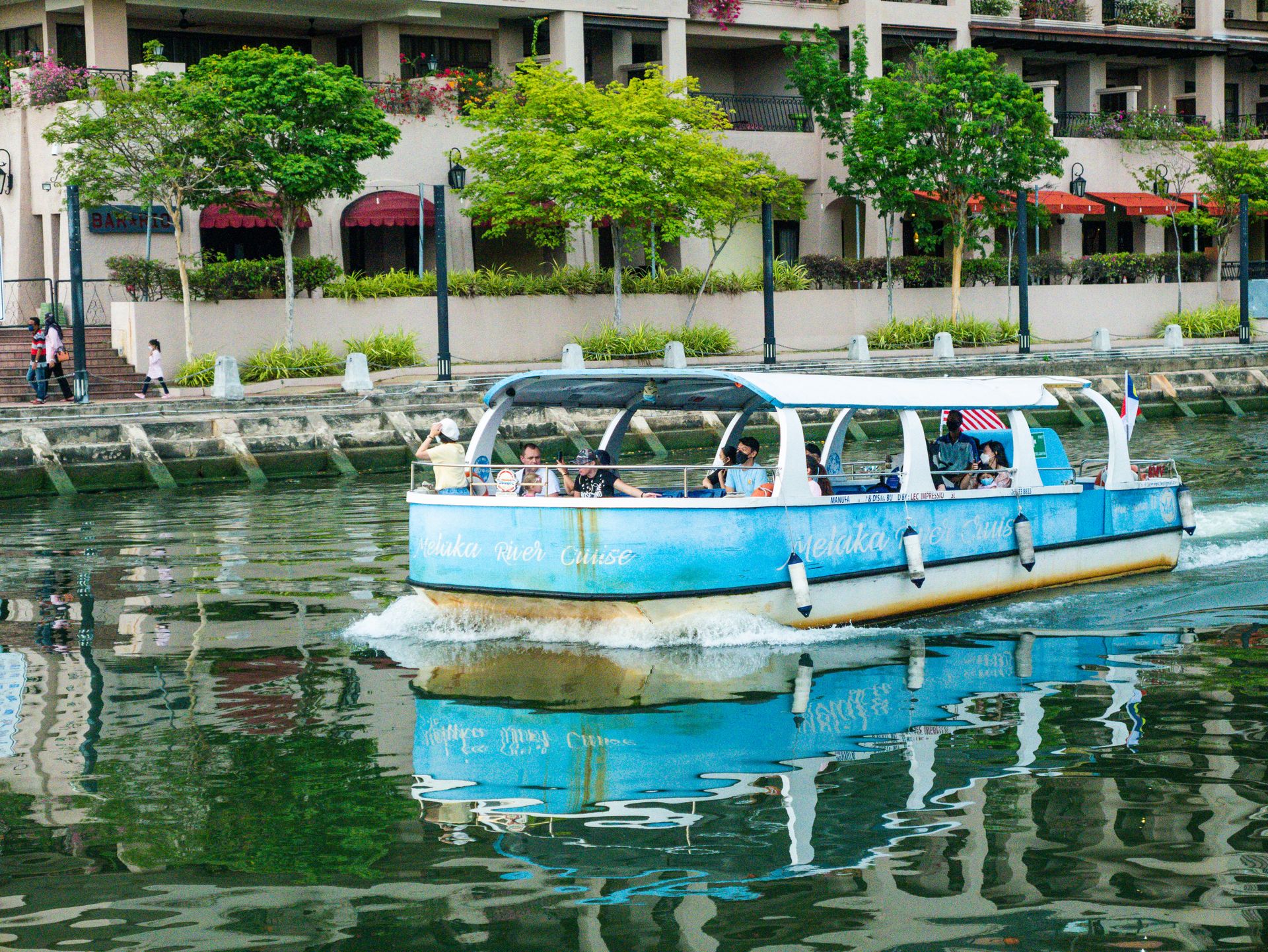
Discover Malacca from a different perspective on a river cruise. The boat takes you through the historic districts, offering unique views of colonial buildings and traditional houses.
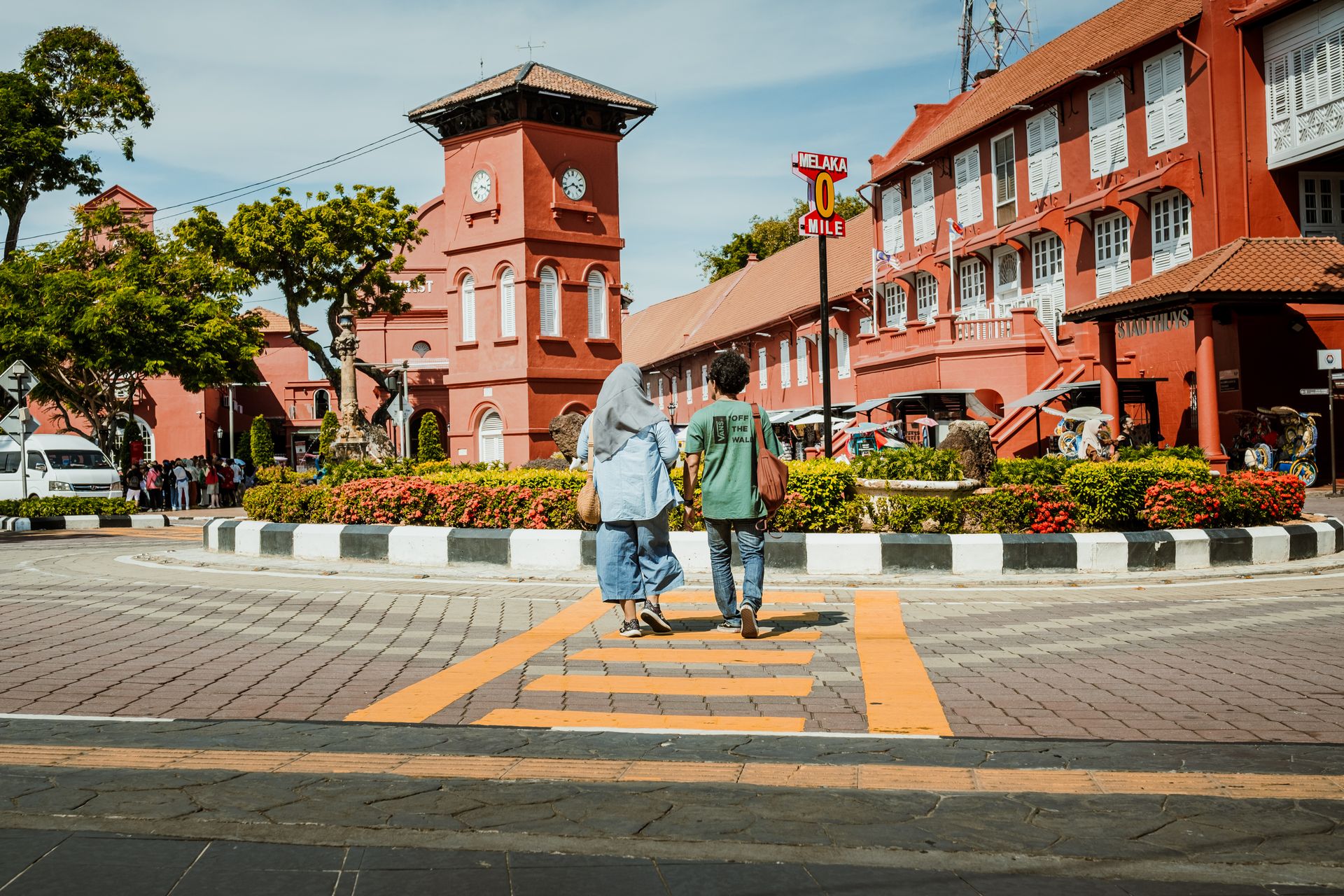
A former 17th-century Dutch town hall, the Stadthuys is an iconic building on the red square. Today, it houses the Museum of History and Ethnography, perfect for understanding Malacca's past.
Founded in the 14th century, Malacca was one of the most important ports in Southeast Asia, attracting traders and colonisers. Its turbulent history has left a unique imprint, visible in its architecture, cuisine and blended culture.
The Portuguese were the first Europeans to settle in Malacca in 1511, followed by the Dutch in 1641 and then the British in 1824. Each period left its mark on the city, creating a fascinating architectural mix where Baroque churches stand alongside mosques and Chinese temples.
Listed as a UNESCO World Heritage Site since 2008, Malacca is now a popular destination for its historic charm, colourful streets and laid-back atmosphere. The city is also a major centre of Peranakan culture, born from the mixing of Chinese and Malay cultures.
Day 1 — The historic heart. Morning at A'Famosa fortress and Christ Church, lunch on the red square, afternoon at the Stadthuys and a stroll through the surrounding streets. Evening on Jonker Street for the night market and street food.
Day 2 — Nature & culture. Morning at Bukit China for panoramic views, followed by a Malacca River cruise. Free afternoon to explore the museums or relax in a Peranakan café. End the day with a stroll along the river.
Tip: set up a Malaysia eSIM before departure so your data works on arrival.
Malacca is easy to explore on foot or by bicycle. For longer journeys, Grab taxis are convenient and inexpensive. The city is safe, but as everywhere, keep an eye on your belongings, especially in tourist areas. Wear light clothing, but make sure it covers your shoulders and knees for religious sites. Try local specialities such as chicken rice ball, satay celup or Peranakan desserts. For more information about the climate, see our climate in Malaysia page.
Compare flights to Malaysia — live updates.
2 to 3 days are enough to discover the main historic sites and enjoy the city's atmosphere. If you would like to explore the museums and surrounding areas, allow an extra day.
Most of Malacca's historic sites can be visited without booking. However, for river cruises or guided tours, booking online is recommended to avoid queues.
Malacca has a hot and humid equatorial climate all year round. The period from June to August is slightly drier, but short showers can occur at any time. Avoid weekends if you want to avoid the crowds.
Malacca city centre is compact and easy to explore on foot. For longer journeys, use Grab taxis or hire a bicycle. Local buses are also an economical option.
Don't miss chicken rice ball, a local speciality made with chicken and rice shaped into balls, satay celup, a skewer fondue, and Peranakan desserts such as cendol.
Discover Malaysia's must-see attractions, from paradise beaches and vibrant cities to national parks and local culture.
Everything you need to know about the budget required to live or travel in Malaysia: accommodation, food, transport and leisure.
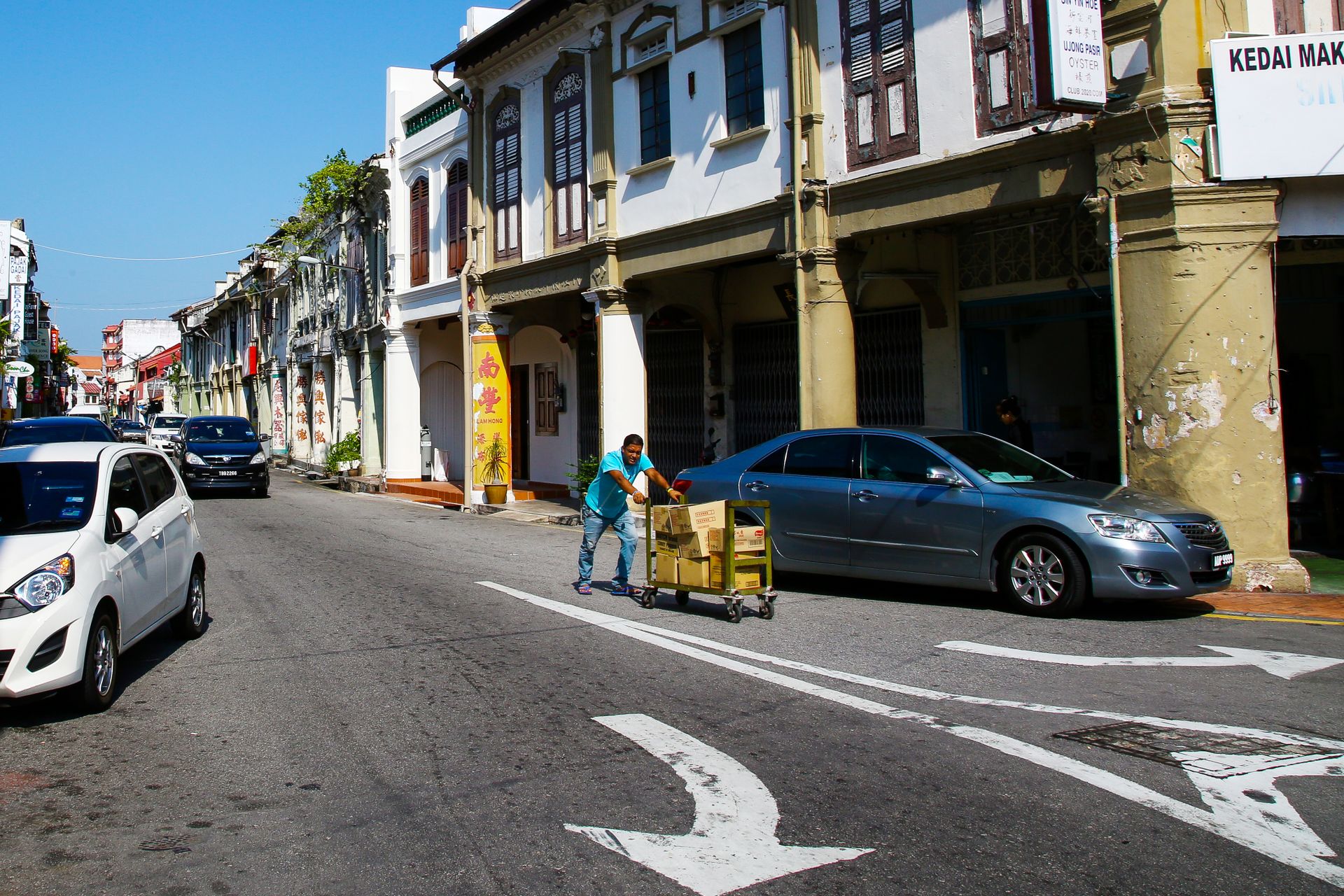
The right area for your budget: historic centre, Jonker Street or residential neighbourhoods, with our advice on where to book.