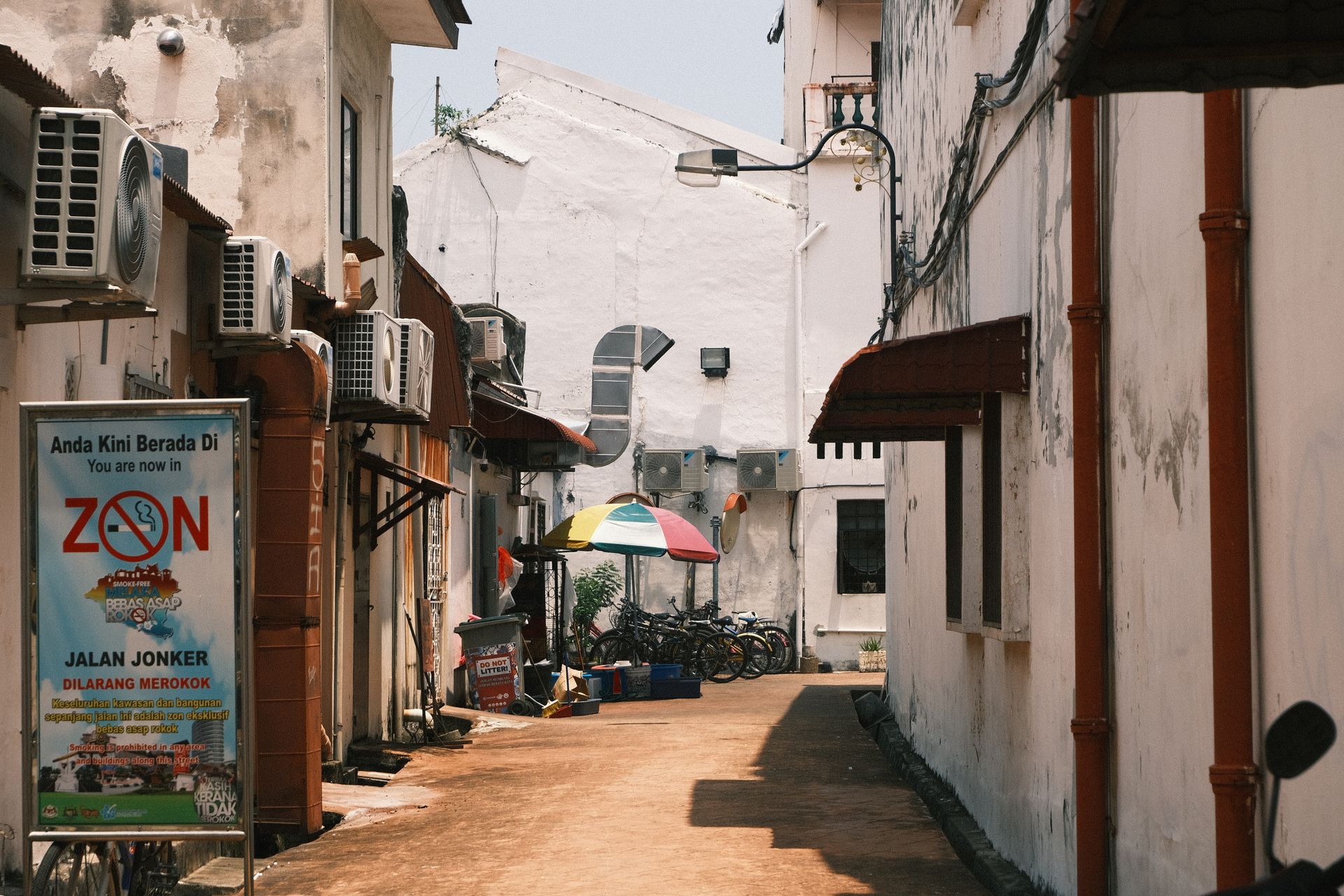
Jonker Street, the historic heart of Malacca
Jonker Street, or Jalan Hang Jebat, is Malacca’s iconic thoroughfare, where Peranakan history, local craftsmanship and Malaysian flavours come together. This lively night market, lined with colonial houses and antique shops, offers an insight into Malaysia’s multicultural soul. A must-visit for lovers of authenticity and street food.
Book a guided tour on Klook →
Why visit Jonker Street?
Jonker Street is much more than just a shopping street: it is a living reflection of Malacca’s Peranakan heritage. A UNESCO World Heritage Site, this historic thoroughfare attracts visitors with its colourful façades, antique shops and lively night market. At the weekend, the street becomes a festive meeting place filled with the aromas of street food, live music and local crafts. A must-see for discovering authentic Malaysia, where tradition meets modernity.
Book your Jonker Street tickets & activities
Guided tours, Peranakan craft workshops and combined excursions (Jonker Street + historic Malacca) on Klook, Asia’s leading platform for local experiences. Enjoy flexible cancellations, verified reviews and secure payments in euros.
Affiliate link — booking through this link supports our work at no extra cost to you.
A little history
Jonker Street, or Jalan Hang Jebat, takes its name from the Dutch settlers who called it “Jonkerstraat” in the 17th century, referring to the Chinese nobles (“jonkers”) who lived there. This street was once the heart of the Peranakan community, descendants of Chinese merchants who settled in Malaysia and Indonesia. Their colourful façades, blending Chinese and European architecture, still bear witness to this rich cultural mix today. Listed as a UNESCO World Heritage Site in 2008, Jonker Street has become a symbol of Malacca’s multicultural identity.
What to see and do on Jonker Street?
Jonker Street is best explored on foot, strolling between its stalls and historic monuments. Here are the highlights:
- The night market: Every Friday, Saturday and Sunday evening, the street becomes a lively market where you can enjoy Malaysian specialities such as chicken rice balls and nyonya kuih (Peranakan pastries).
- Antique shops: Jonker Street is packed with shops selling antiques, carved wooden furniture and Chinese porcelain. A treasure hunter’s paradise.
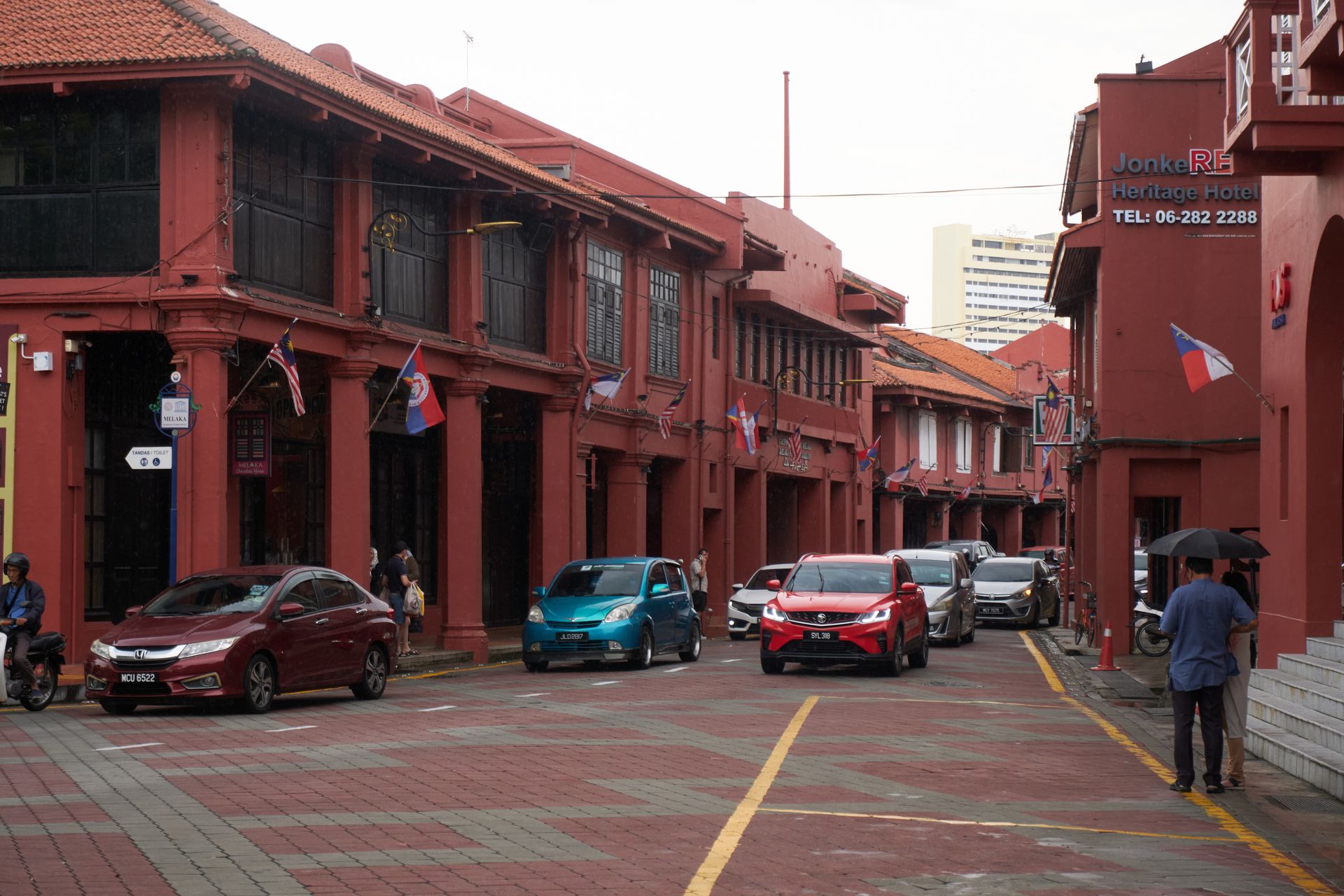
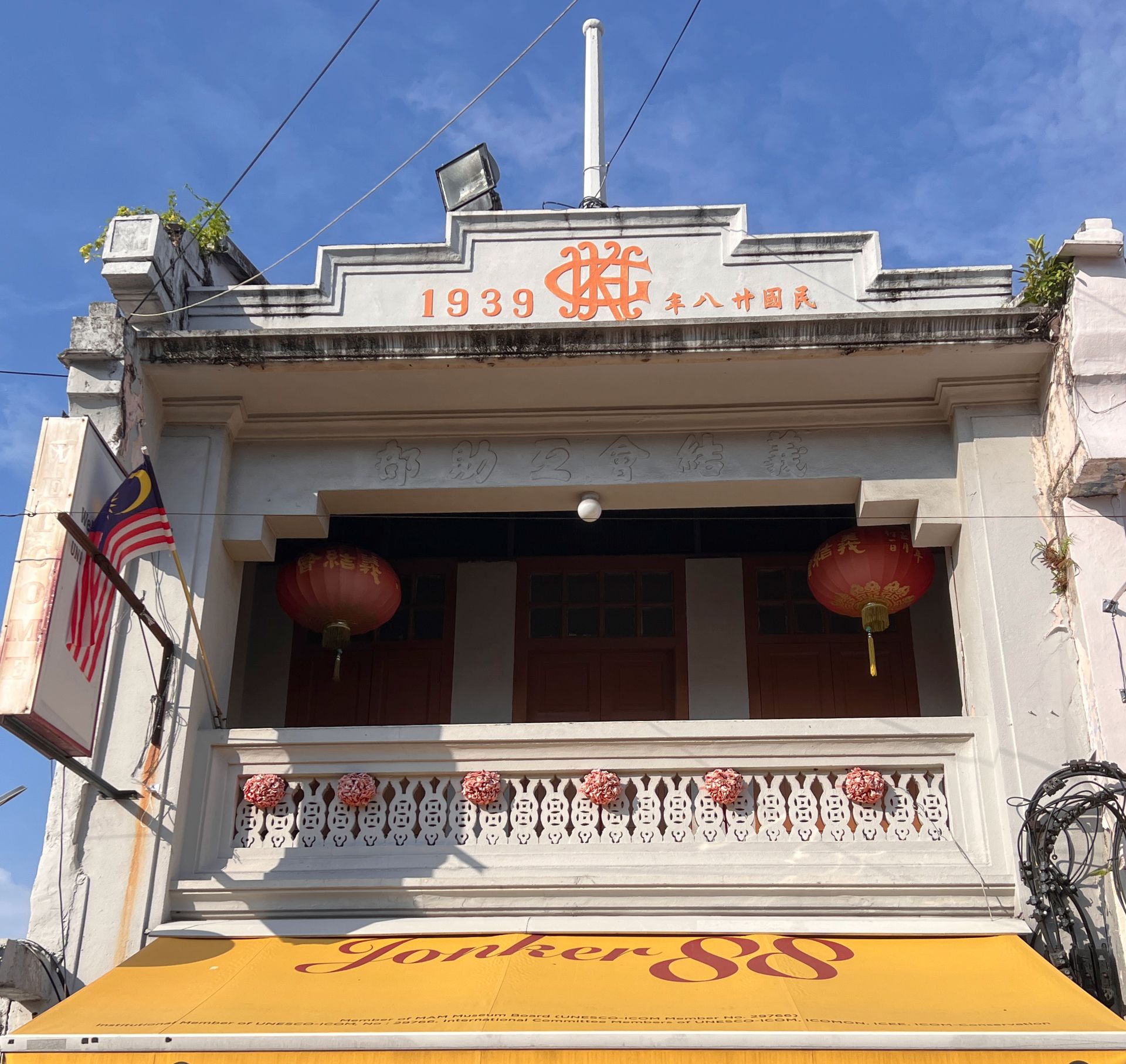
- Peranakan houses: Admire the colourful façades of the shophouses, typical of Sino-Portuguese architecture. Some are home to museums such as the Baba & Nyonya Heritage Museum.
- Temples and churches: Just a stone’s throw from Jonker Street, don’t miss Cheng Hoon Teng Temple, the oldest Chinese temple in Malaysia, and St Paul’s Church, a remnant of the Portuguese period.
- Craft workshops: Take part in a beadwork workshop (bead embroidery) or a batik workshop to take home a unique souvenir.
During the day, the street is quieter and ideal for exploring the museums and hidden cafés. In the evening, the atmosphere becomes festive, with traditional music performances and illuminated stalls.
How to get there
Jonker Street is located in the heart of Malacca, just a few minutes’ walk from the main historic sites. Here are the ways to get there:
- On foot: If you are staying in the city centre, Jonker Street is easily accessible on foot from Dutch Square or Chinatown.
- By taxi or Grab: Taxis and ride-hailing apps such as Grab are convenient for reaching Jonker Street from other parts of Malacca or from the bus station. Expect to pay a few ringgit for a journey within the city.
- By bus: Several local bus routes serve central Malacca. Get off at the “Dutch Square” or “Mahkota Parade” stop and walk to Jonker Street.
- By car: If you are driving, be aware that Jonker Street becomes a pedestrian zone in the evening. Park in the nearby public car parks, such as the one on Jalan Kampung Hulu.
For more information about transport in Malaysia, see our guide to Getting around Malaysia.
To get online as soon as you land, a Malaysia eSIM can be installed before you leave, with no need to look for a local SIM card.
Our tips for visiting Jonker Street
To make the most of your visit to Jonker Street, here are some practical tips:
- Choose the weekend: The night market only takes place on Friday, Saturday and Sunday evenings. This is when Jonker Street is at its liveliest.
- Try the street food: Don’t leave Jonker Street without trying local specialities such as satay celup (skewers cooked in a spicy sauce) or onde-onde (sweet coconut balls).
- Bargain with a smile: Bargaining is expected in antique shops and at market stalls. Stay polite and offer a reasonable price.
- Stay hydrated: The heat can be stifling during the day. Bring a bottle of water and take breaks in the shade at cafés or museums.
- Visit early in the morning: To avoid the crowds and heat, explore Jonker Street early in the morning, before the stalls open.
- Respect places of worship: If you visit the nearby temples or churches, cover your shoulders and knees out of respect for worshippers.
When to visit Jonker Street?
Jonker Street can be visited all year round, but some periods are more suitable than others:
- November to February: This is Malaysia's dry season, with pleasant temperatures for exploring the city on foot. Ideal for avoiding the sweltering summer heat.
- During traditional celebrations: Chinese New Year, the Lantern Festival and the Moon Festival are magical times to discover Jonker Street beneath the decorations and special events.
- At weekends: As mentioned earlier, the night market only takes place on Friday, Saturday and Sunday evenings. This is the best time to experience the street's festive atmosphere.
- During the week: If you prefer to avoid the crowds, visit Jonker Street during the week. The shops and museums are open, and you can explore the street in peace.
To plan your trip, see our guide to the climate in Malaysia and our budget for two weeks in Malaysia.
Don't have your flight ticket to Malaysia yet?
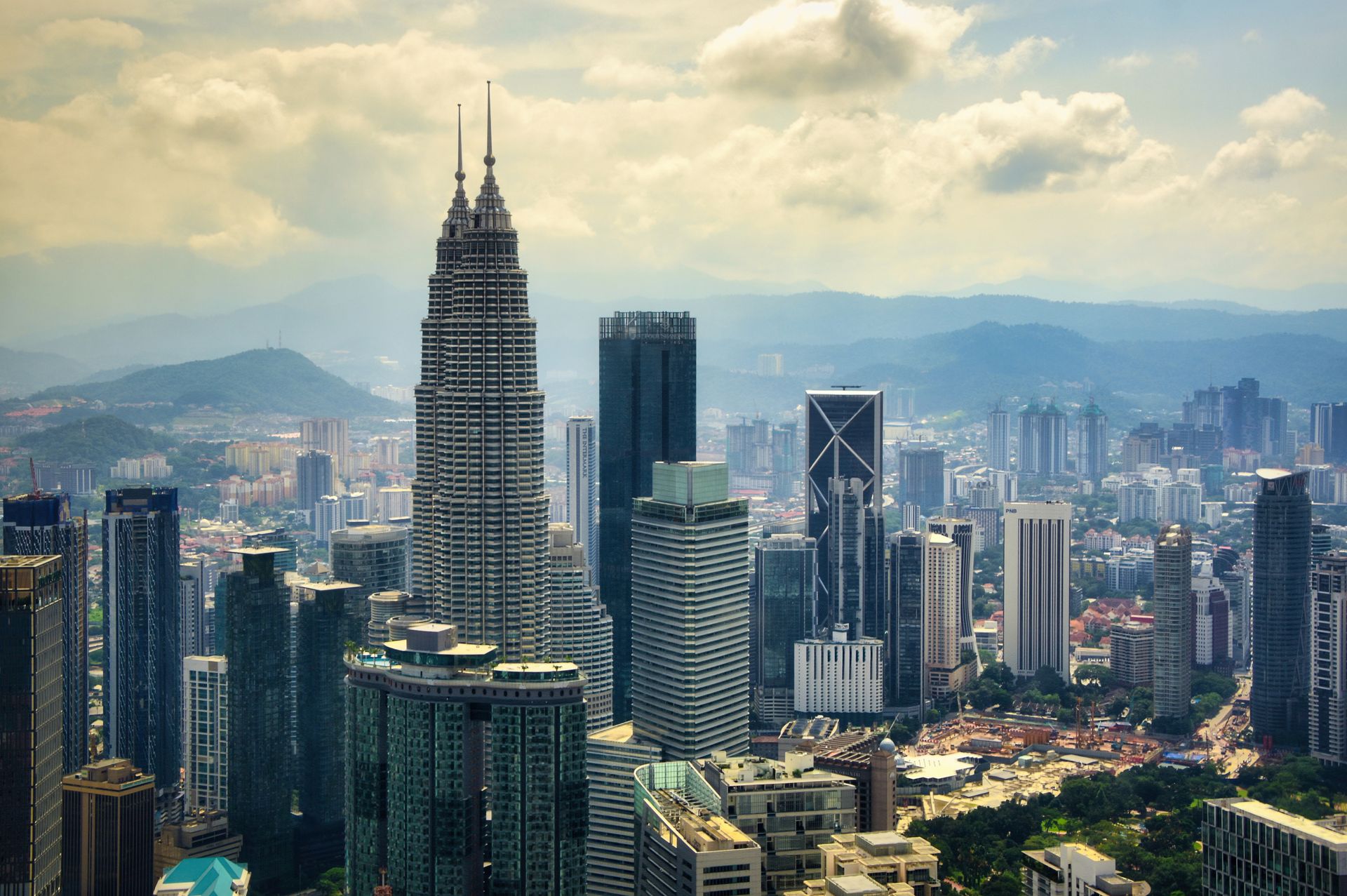
Compare flights to Kuala Lumpur and Malacca with our partner.
Frequently asked questions
Is Jonker Street open every day?
Jonker Street is accessible on foot every day, but the night market only takes place on Friday, Saturday and Sunday evenings. During the week, the street is quieter and ideal for visiting the shops and museums.
What can you buy on Jonker Street?
Jonker Street is known for its antique shops, Peranakan handicrafts (such as bead embroidery and porcelain), traditional clothing and local souvenirs. You will also find spices, teas and Malaysian snacks to take home.
Do you need to book a guided tour of Jonker Street?
A guided tour is not essential, but it can enhance your experience by introducing you to historical anecdotes and hidden gems. You can book a tour on Klook for a more in-depth experience.
What specialities should you try on Jonker Street?
Don't miss the chicken rice balls (chicken rice balls), satay celup (skewers cooked in a spicy sauce), nyonya kuih (Peranakan pastries) and chendol (an iced dessert with coconut and mung beans). The night market stalls are brimming with flavours to discover.
Is it easy to park near Jonker Street?
Jonker Street is a pedestrian zone in the evening, but public car parks are available nearby, such as the one on Jalan Kampung Hulu. During the day, you can also park in the surrounding streets. Opt for public transport or ride-hailing services to avoid parking difficulties.
Also worth seeing in Malacca
Don't have your flight ticket yet?
Compare flights to Malaysia and find the best fare for getting to Malacca.
See flights to Malaysia