Things to Do in Malaysia: Must-See Highlights (2026)
Between the historic districts of George Town, the beaches of the Perhentian Islands and the forests of Borneo, what to do in Malaysia depends first and foremost on the region and season you choose. The peninsula makes it easy to combine cities, food and the seaside; Sabah and Sarawak require more travel, but offer wildlife experiences that are hard to find elsewhere.
To plan your trip in 2026, it is better to choose a few complementary stops rather than multiply flights and hotel changes. One week is enough for a capital city and a getaway, two weeks allow for a proper tour, while three weeks open the door to Borneo without sacrificing all your days to travel.

1. What to do in Malaysia: the peninsula’s highlights
Kuala Lumpur and the Batu Caves: the first places to visit
Kuala Lumpur deserves several days, not just a stopover between two flights. The Petronas Towers showcase its contemporary development, while Merdeka Square, Kampung Baru and the streets around Petaling Street reveal different facets of its history and population.
Plan your visits by neighbourhood: KLCC and its park together, then Chinatown and the area around Merdeka Square on another walk. This approach reduces unnecessary travel, especially when the heat or a shower makes getting around on foot less pleasant.
To go up the towers, check the time slots and prices on the official Petronas Twin Towers website. Do not confuse a timed ticket with a commercial promise of priority access: entry arrangements depend on the product actually purchased.
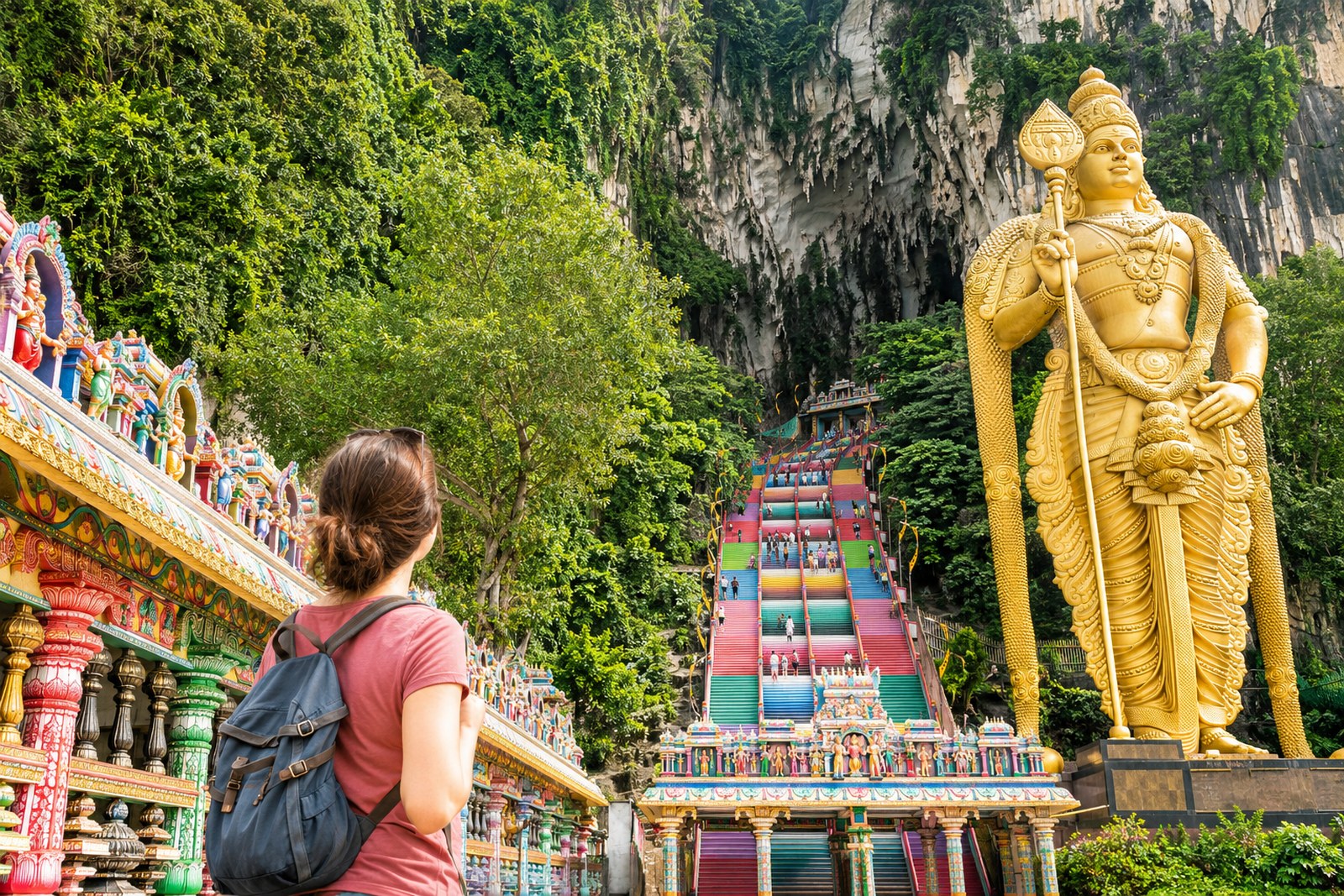
The Batu Caves are north of the metropolitan area and form an important Hindu shrine. Wear clothing that covers your shoulders and knees, keep food out of the macaques’ sight and distinguish access to the main shrine from the additional attractions, some of which charge an entrance fee.
Malacca and Penang: living heritage and a fusion of cuisines
Malacca and George Town, in Penang, are jointly listed as UNESCO World Heritage Sites for their heritage as trading cities of the Straits. Their appeal goes beyond photogenic façades: merchants’ houses, places of worship and culinary traditions tell the story of several centuries of human movement.
In Malacca, explore the area around Dutch Square, the Portuguese remains and the streets alongside Jonker Street. Spending a night there lets you enjoy the centre before the day-trippers arrive, then discover the waterfront during a cooler part of the day.
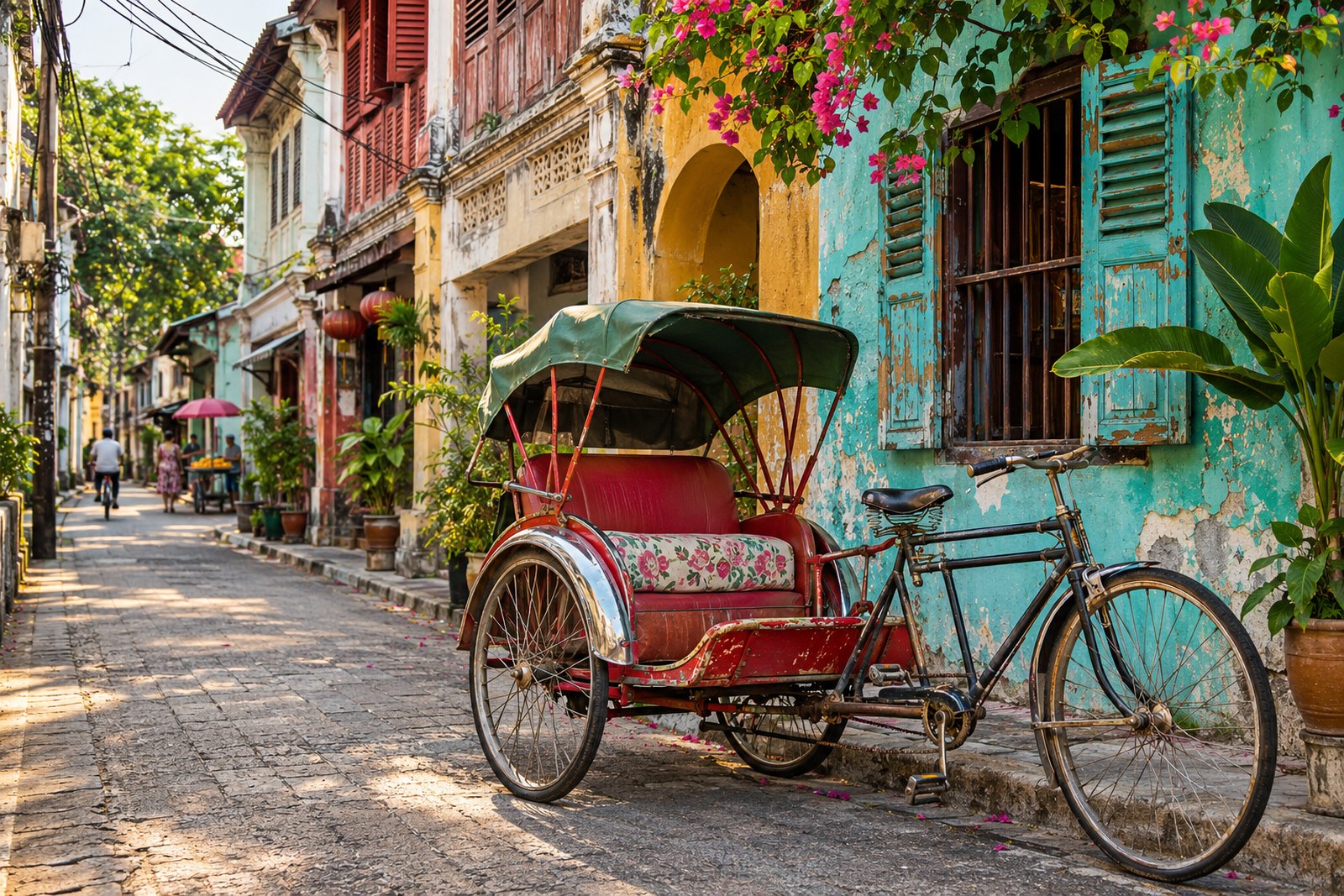
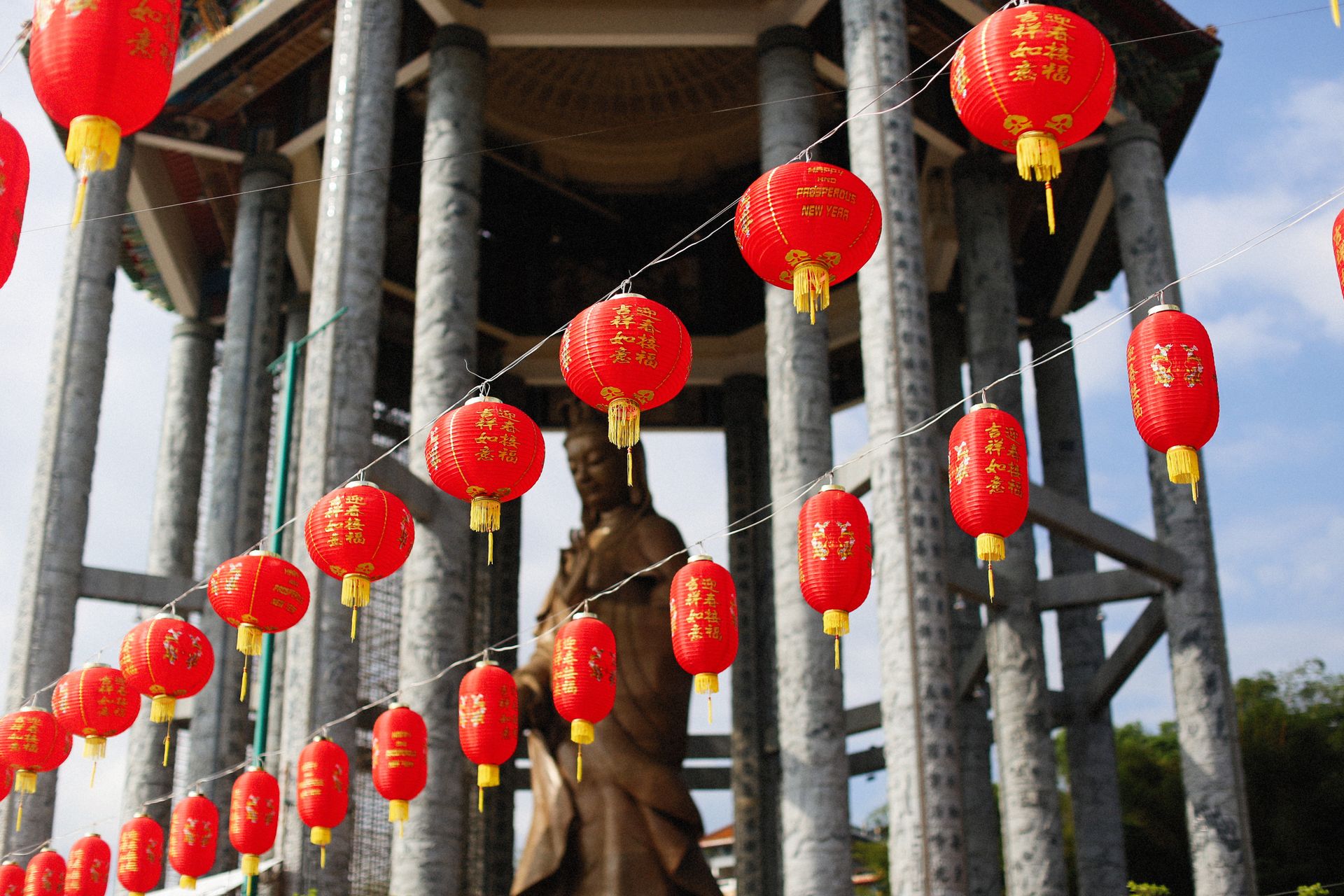
In George Town, alternate clan houses, temples, old shops and food stops. The street art provides an enjoyable route, but inhabited neighbourhoods and traditional workshops give the visit more depth than simply hunting for murals.
For street food, start with nasi lemak, char kway teow or assam laksa, checking the ingredients according to your dietary requirements. A dish that appears vegetarian may contain meat stock or shrimp paste; allergies therefore deserve a precise explanation.
Ipoh, the Cameron Highlands and less obvious getaways
Ipoh is an interesting stop between the capital and Penang: the old town, white coffee and temples set in limestone formations make up an accessible itinerary. Photography enthusiasts will particularly appreciate the morning light and the still-quiet streets.
The Cameron Highlands offer a change of atmosphere with their tea plantations and highland scenery. Choose a plantation that is genuinely open to visitors and check access conditions for the trails: some routes cross private land or are subject to restrictions.
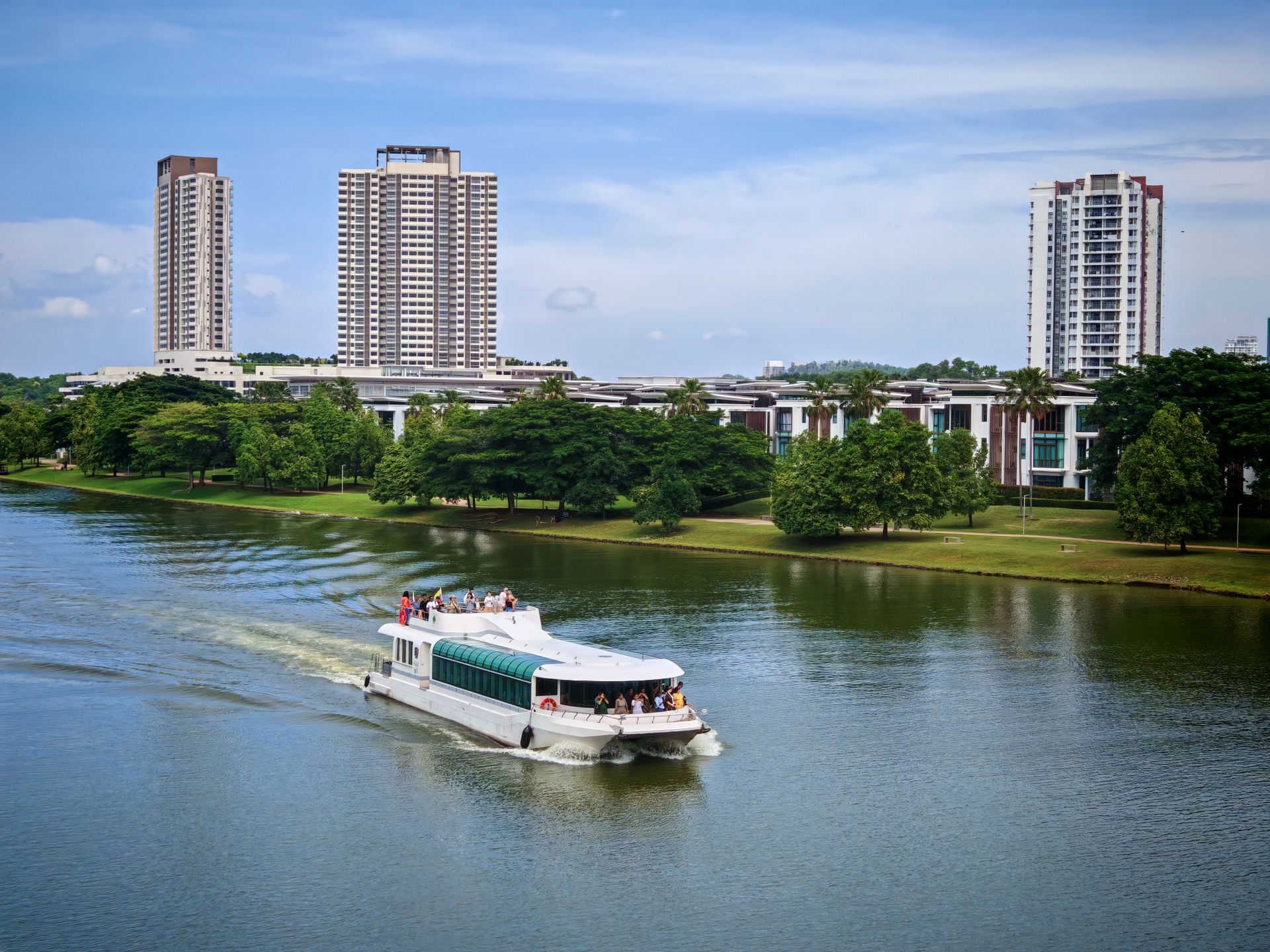
Putrajaya is suitable for an excursion focused on institutional architecture and mosques, subject to visitor access rules. Johor Bahru makes most sense as part of an itinerary including Singapore or a family stay around Legoland, rather than as a detour taken automatically.
Genting Highlands will appeal more to travellers drawn to leisure complexes than to those seeking an immersion in the forest. To broaden your options, the Routard’s favourite places in Malaysia offer further ideas to compare with your interests and schedule.
On the peninsula, each stop should offer a different experience: a heritage city, a food-focused stop and a highland break already make for a rich trip.

2. Where to go in Malaysia for beaches, jungle and orangutans?
Langkawi, the Perhentian Islands and Tioman: choosing an island to suit your preferences
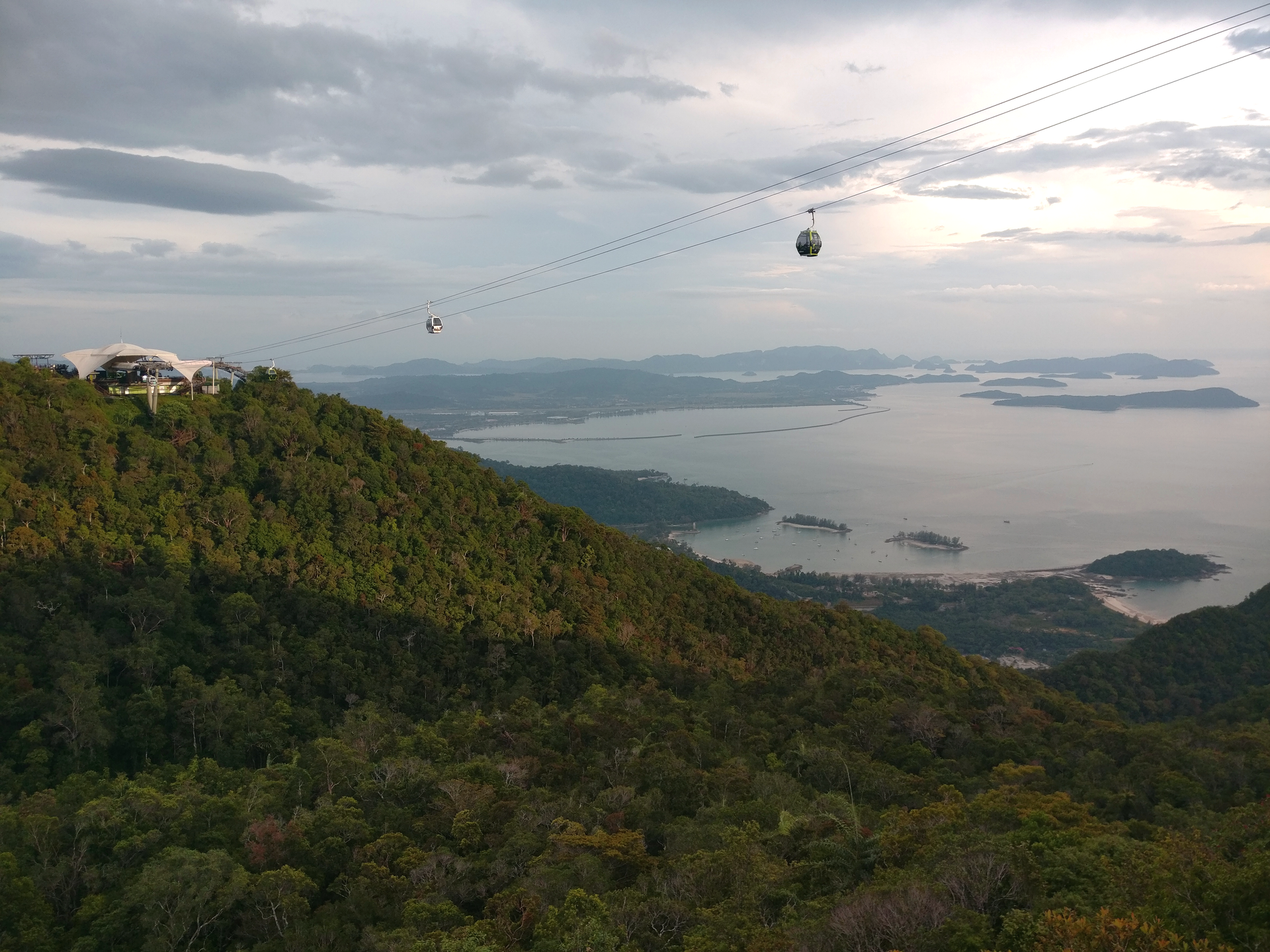
Langkawi is a practical choice for a comfortable beach holiday. The archipelago has an airport, roads and a wide range of accommodation; you can combine beaches, a cable car ride and mangrove exploration without arranging every journey by boat.
Its appeal does not, however, lie in reefs accessible from every beach. If your priority is daily snorkelling or diving, compare the Perhentian Islands and Tioman instead, taking the maritime season and the exact location of your accommodation into account.
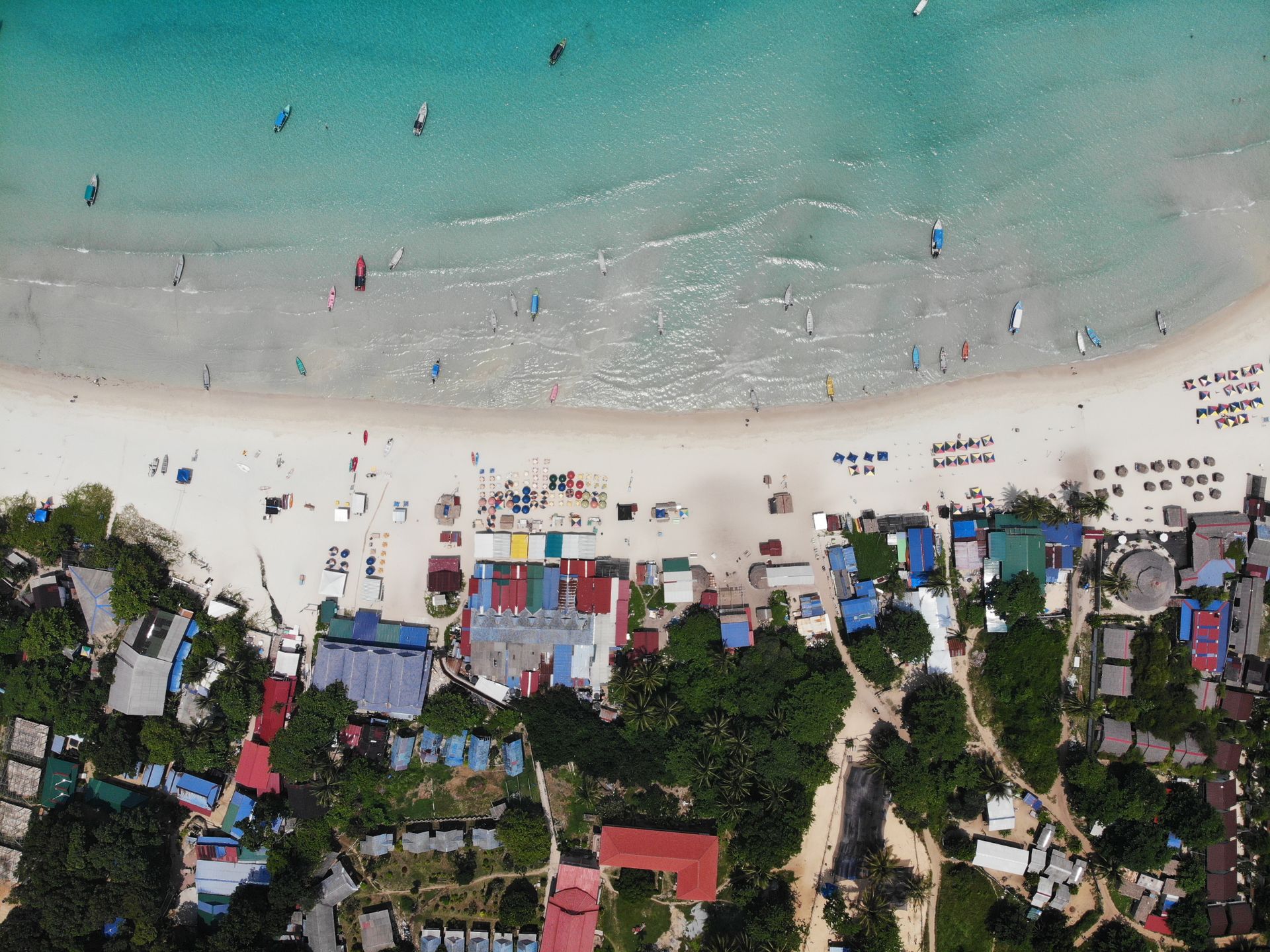
On the Perhentian Islands, getting around largely means using trails and water taxis. A lively beach, a family-friendly bay and an isolated property offer very different types of stay: check the dining options, jetty access and transfer conditions before booking.
Tioman combines coastal villages, wooded hills and underwater sites. The island is not uniformly free of road traffic; however, connections between some areas remain inconvenient, making the choice of village particularly important.
For a trip out to sea, choose an operator that explains the safety instructions, provides suitable equipment and cancels when conditions are poor. Do not touch corals or turtles, and refuse feeding intended to attract the animals.
Taman Negara and Sarawak: entering the forest without taking it for granted
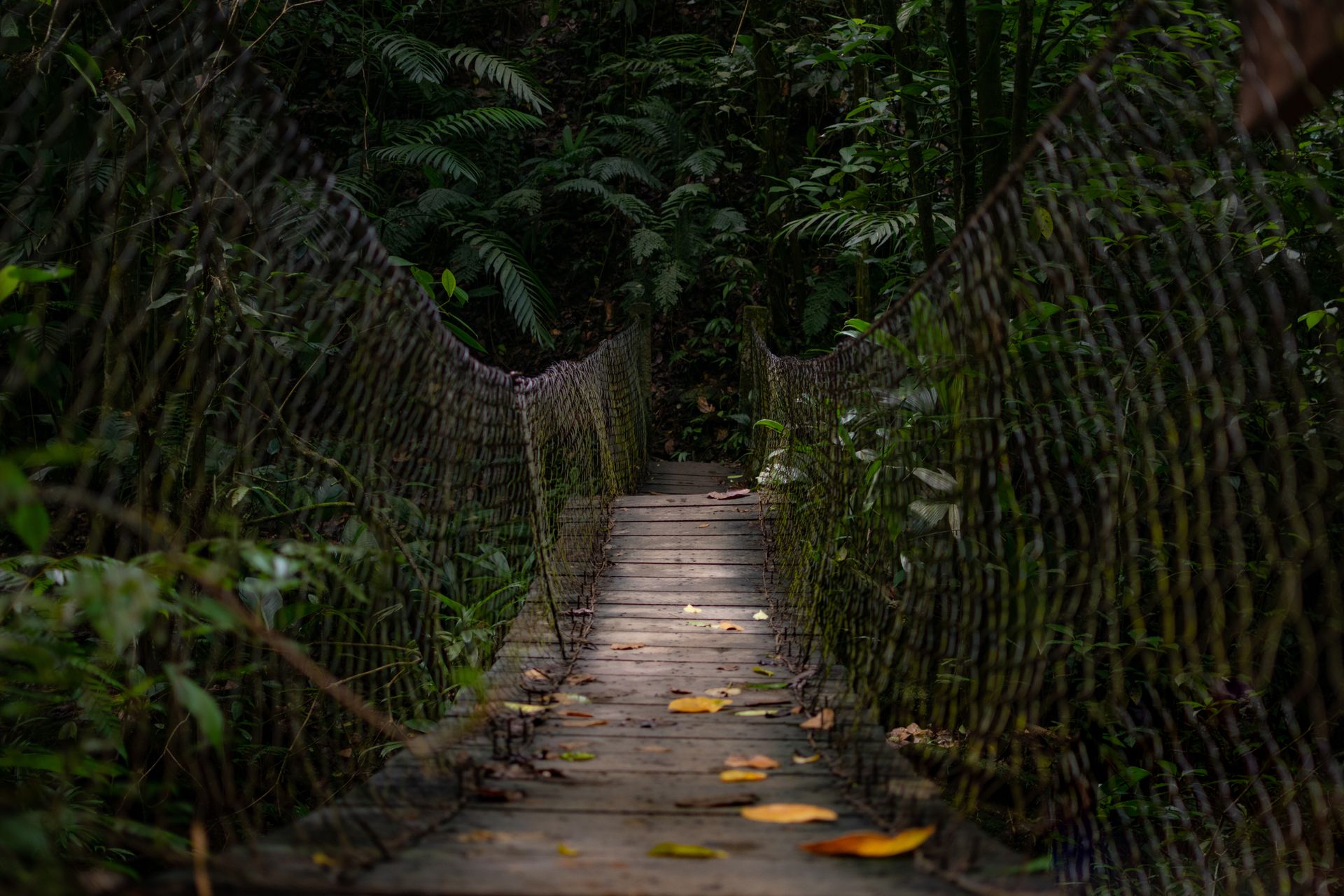
Taman Negara offers access to ancient rainforest from the peninsula. Guided walks, boat trips and night-time wildlife watching provide complementary experiences, but no outing guarantees encounters with large mammals.
Your choice of route should match your fitness, the weather and the condition of the terrain. Even a short walk in high humidity can be tiring; grippy shoes, water, rain protection and lightweight covering clothing matter more than an over-ambitious itinerary.
In Sarawak, Kuching is a pleasant base for discovering the city’s heritage and arranging nature excursions. Bako National Park allows you to explore several coastal and forest environments, subject to sea-access conditions and announced openings.
At Semenggoh, orangutans live in a reserve, and some visit the feeding areas. Their presence remains variable, particularly when the forest provides enough fruit: not seeing any orangutans is not a flaw in the excursion, but a reality of nature.
A longhouse visit is more meaningful when organised with a community that wishes to welcome travellers. Ask about the rules concerning photography, gifts and payment for hosting visitors, without treating someone’s home as a tourist backdrop.
Sabah: wildlife, diving and mountains
In Sabah, Sepilok offers an insight into orangutan rehabilitation work, while the Kinabatangan provides river trips focused on wildlife. These experiences are different: a conservation centre is not the same as observing animals entirely in the wild.
Kota Kinabalu serves as a base for the nearby islands and the mountainous interior. Climbing Mount Kinabalu requires specific planning, availability and an honest assessment of your ability to cope with exertion at altitude; check the conditions with Sabah Parks.
Divers drawn to Sipadan must plan ahead for the permits and conditions imposed on participants. For eastern Sabah and the surrounding maritime areas, also check your foreign ministry’s latest advice, as well as your insurance exclusions.
For nature experiences, the quality of the guiding and the time spent on site matter more than the number of places ticked off.
Before planning your itinerary, therefore, choose your priority: an easily accessible beach, forest exploration or wildlife watching. This choice will determine your pace far more than the distance shown on a map.

3. Visiting Malaysia in one, two or three weeks: recommended itineraries
One week in Malaysia: two bases to avoid rushing
Over one week, limit yourself to two bases. A journey rarely involves only the advertised flight or travel time: you also need to allow for the transfer, waiting time, any formalities and settling into your next accommodation.
A simple itinerary combines three days in Kuala Lumpur and four in Langkawi, incorporating the domestic flight into the second part. This gives you a clear contrast between urban neighbourhoods and relaxation, without changing rooms every day.
If beaches are not essential, replace the archipelago with Penang. This option suits travellers interested in food, architecture and urban walks; it should not be presented as a beach equivalent of the Perhentian Islands.
Imagine Clara and Mehdi, a fictional couple whose main aim is to eat well and discover lively neighbourhoods. For them, spending several evenings in George Town offers more than adding an island where they would spend only one full day.
Two weeks in Malaysia: a coherent itinerary on the peninsula
Two weeks allow you to combine several atmospheres, provided you accept that some days will be partly devoted to transport. The following itinerary remains a suggested allocation, not a compulsory minimum stay for each destination.
| Length of stay | Suggested allocation | Best for |
|---|---|---|
| One week | Kuala Lumpur: 3 days; Langkawi or Penang: 4 days | Two bases and few connections |
| Two weeks | Kuala Lumpur: 3 days; Malacca: 2 days; Cameron Highlands: 2 days; Penang: 3 days; Langkawi: 4 days | A varied itinerary, including transfers |
| Three weeks | Two weeks on the peninsula, followed by one week in Sarawak or Sabah | A single region of Borneo to explore in greater depth |
On the two-week itinerary, Malacca is a detour south before heading back up towards the highlands. If you prefer a slower pace, remove this stop and distribute the freed-up days between the capital and Penang.
The Cameron Highlands require a road transfer and can experience delays during the busiest periods. For a trip with young children or someone who is sensitive to winding roads, Ipoh is an easier alternative to incorporate into the rail network.
In favourable weather on the east coast, the Perhentian Islands can replace Langkawi. This change requires you to review the land and sea connections: you cannot simply substitute one island’s name in a booking that has already been fully arranged.
Three weeks in Malaysia: adding Borneo with plenty of leeway
For a third week, choose Sarawak or Sabah rather than trying to cover both. From Kuching, you can spend time in the city, at Semenggoh and on one or more excursions into the accessible natural areas.
In Sabah, a combination around Sandakan, Sepilok and the Kinabatangan suits wildlife enthusiasts. Adding Kota Kinabalu, a climb and several days of diving quickly turns this extension into an overly demanding second trip.
Flights to Borneo and the return journey must be included in the extra week. Avoid a tight connection between an island boat and your international flight: rough seas can disrupt an itinerary that looks perfectly reasonable on paper.
To compare other travellers’ choices, Tourdumondiste’s destination suggestions provide inspiration to adapt to your own pace rather than reproduce in full.
The best itinerary is the one that leaves you with genuinely free days on site, not the one that lists the greatest number of stops.
To get online as soon as you land, a Malaysia eSIM can be installed before you leave, with no need to look for a local SIM card.
4. When to visit Malaysia? The best season by region
West coast: when to visit Kuala Lumpur, Penang and Langkawi?
Malaysia does not have one single ideal season for its entire territory. Its equatorial climate brings heat and humidity all year round, but monsoon exposure, terrain and maritime location create significant differences between destinations.
On the peninsula’s west coast, the period from approximately December to March is often favourable for an itinerary including Penang and Langkawi. This does not mean permanently blue skies or no showers: an excursion should always be adaptable to the day’s conditions.
Kuala Lumpur can be visited all year round, with sometimes intense spells of rain. Alternate outdoor outings with indoor activities, and avoid scheduling all your panoramic visits in a single time slot that the weather could make less worthwhile.
The shoulder seasons can bring thunderstorms, particularly towards the end of the day, without following a perfectly regular pattern. For national information and alerts, consult the Malaysian meteorological service MetMalaysia rather than relying on a simple rain icon in a general-purpose app.
East coast: the crucial season for the Perhentian Islands and Tioman
On the east coast, the north-east monsoon is the main planning factor. From approximately November to February, maritime conditions can seriously disrupt island stays, with accommodation closed and transport services reduced or suspended.
The period generally sought for the Perhentian Islands and Tioman is between March and October, with variations depending on the island and the year. Accommodation reopening dates are not uniform: obtain confirmation from your hotel and carrier before making any non-refundable payment.
A stay in March or October can be enjoyable, but these transitional periods require greater flexibility. Underwater visibility also depends on swell, recent rainfall and the site chosen; no period alone guarantees perfect conditions.
Clara and Mehdi, our fictional couple, ultimately travel in January: they keep Penang and choose Langkawi for the beach. This change responds to a specific regional constraint, without calling into question the appeal of departing at this time of year.
Borneo and the highlands: allow for humidity and the unexpected
In Sarawak, the months at the end and beginning of the year are often particularly wet, especially around Kuching. Some activities remain possible, but maritime access, trails and excursions require checks made close to the date.
In Sabah, differences between coastal areas and high-altitude zones make it impossible to sum up the weather as a single dry season. A programme focused on wildlife, mountains or diving should be planned using guidance specific to those activities.
In the Cameron Highlands, temperatures are cooler than in the lowlands, especially in the evening. Pack an extra light layer and rain protection; cool weather does not mean that paths will be dry or easy.
For hiking, a weather alert or closure decided by a site manager must take priority over your booking. Rain can make a section slippery, increase the flow of a watercourse or alter boating options long after a shower has ended.
- Winter trip: generally favour the west coast to combine heritage and relaxation.
- Summer stay: consider the eastern islands, without forgetting how busy they can be with tourists.
- Wildlife-focused trip: keep some days flexible to absorb local changes.
- Departure close to a holiday: check transport and availability according to the national and state calendars.
School holidays, Chinese New Year and Hari Raya can significantly affect traffic and accommodation availability. Choosing where to go in Malaysia according to your departure month is more effective than looking for one universally perfect month.
Once you have selected your regions, the most useful checks concern entry requirements, travel arrangements and bookings affected by the weather. They help turn a good selection of places into a genuinely smooth stay.
To book tours and activities in Malaysia ahead, see the options on Klook.
5. Practical advice and frequently asked questions about visiting Malaysia
Entry requirements, transport and budget: preparing for Malaysia’s must-sees
Check your entry requirements according to your nationality and the purpose of your stay. The required passport validity, any visa requirement and the Malaysia Digital Arrival Card must be checked on the Malaysian immigration department’s website, including any applicable exemptions.
Sabah and Sarawak apply specific immigration checks, including for arrivals from the peninsula. Keep your passport accessible and check which documents your airline requires before taking an internal flight to Borneo.
On the western route, ETS trains are useful for connecting, in particular, Kuala Lumpur, Ipoh and Butterworth, the gateway to Penang. Malacca does not have a comparable central railway station: travelling by coach is often more direct for reaching the tourist city.
For train timetables and ticket categories, use KTMB, the official rail operator. Crossings to the islands are operated by other carriers and must be checked separately, particularly when the departure follows a flight or a long road journey.
Build your budget by category: accommodation, meals, transport, sightseeing, guided activities and a contingency margin. An urban week and a stay including diving, permits or remote accommodation cannot be estimated accurately using the same daily allowance.
Any price displayed in a guide should be treated as indicative until confirmed with the organisation concerned. Also check what the quoted amount covers: equipment, transfers, meals, local taxes and park fees are not always included.
Health, local customs and bookings: useful precautions
Arrange a medical consultation suited to your itinerary, especially before travelling to a remote area. Protection against mosquitoes remains important, particularly because of dengue: suitable repellent, covering clothing and properly protected accommodation are complementary measures.
In the forest, avoid setting off alone on a poorly documented route and take more water than you would for a simple urban walk. At sea, check that your insurance explicitly covers the activities planned, including any depth or supervision limits.
In places of worship, follow the dress code, remove your shoes when asked and ask permission before photographing worshippers. During Ramadan, dining options vary between neighbourhoods; markets serving food to break the fast offer an interesting culinary experience in a respectful atmosphere.
For payments and bookings, keep some cash on you without carrying unnecessarily large sums. Fake websites, unusual bank transfer requests and messages impersonating an establishment are reasons to consult the guide to avoiding online scams in Malaysia.
If this trip is preparing you for a move, separate your tourist needs from residence and work formalities. The checklist for your first days in Malaysia helps organise tasks that do not concern a simple sightseeing trip.
Prioritise booking anything that affects the rest of your itinerary: accommodation on a small island, limited-capacity activities and transport during peak periods. Ordinary restaurants and neighbourhood walks can usually be left more spontaneous.
What to do in Malaysia: answers to the most frequently asked questions
What is the most beautiful place in Malaysia?
The Perhentian Islands appeal with their beaches and turquoise waters, George Town with its living heritage, and Borneo with its forest landscapes and wildlife. For a first trip, the most beautiful choice depends above all on your priorities: relaxation, culture or nature, as well as the season.
Is Malaysia worth visiting?
Yes, especially if you are looking for a trip combining varied cuisine, cultural diversity, accessible cities and natural areas. The peninsula is well suited to a first independent itinerary; Borneo adds particular richness to a biodiversity-focused trip, but requires more time and organisation.
What should you avoid in Malaysia?
Avoid overpacked itineraries, sea trips despite a warning, contact with wild animals and disrespectful behaviour in religious sites. Drugs are subject to very severe penalties. Also check official safety advice before planning visits to certain areas of eastern Sabah.
Which month should you avoid visiting Malaysia?
No month needs to be ruled out for the whole country. For a mainly beach-focused stay on the Perhentian Islands or Tioman, November to February is generally best avoided, as this period is marked by the north-east monsoon and seasonal closures. At these times, the west coast is often a more suitable option.
What to do, city by city
Click on a destination to discover the must-see sights, a suggested itinerary and the tickets to book.
 3–4 days
Kuala Lumpur
The capital, its skyscrapers, Batu Caves and Genting Highlands.
 2–3 days
Penang
George Town street art, temples and legendary street food.
 3–4 days
Langkawi
Beaches, cable car and duty-free shopping: the ultimate beach archipelago.
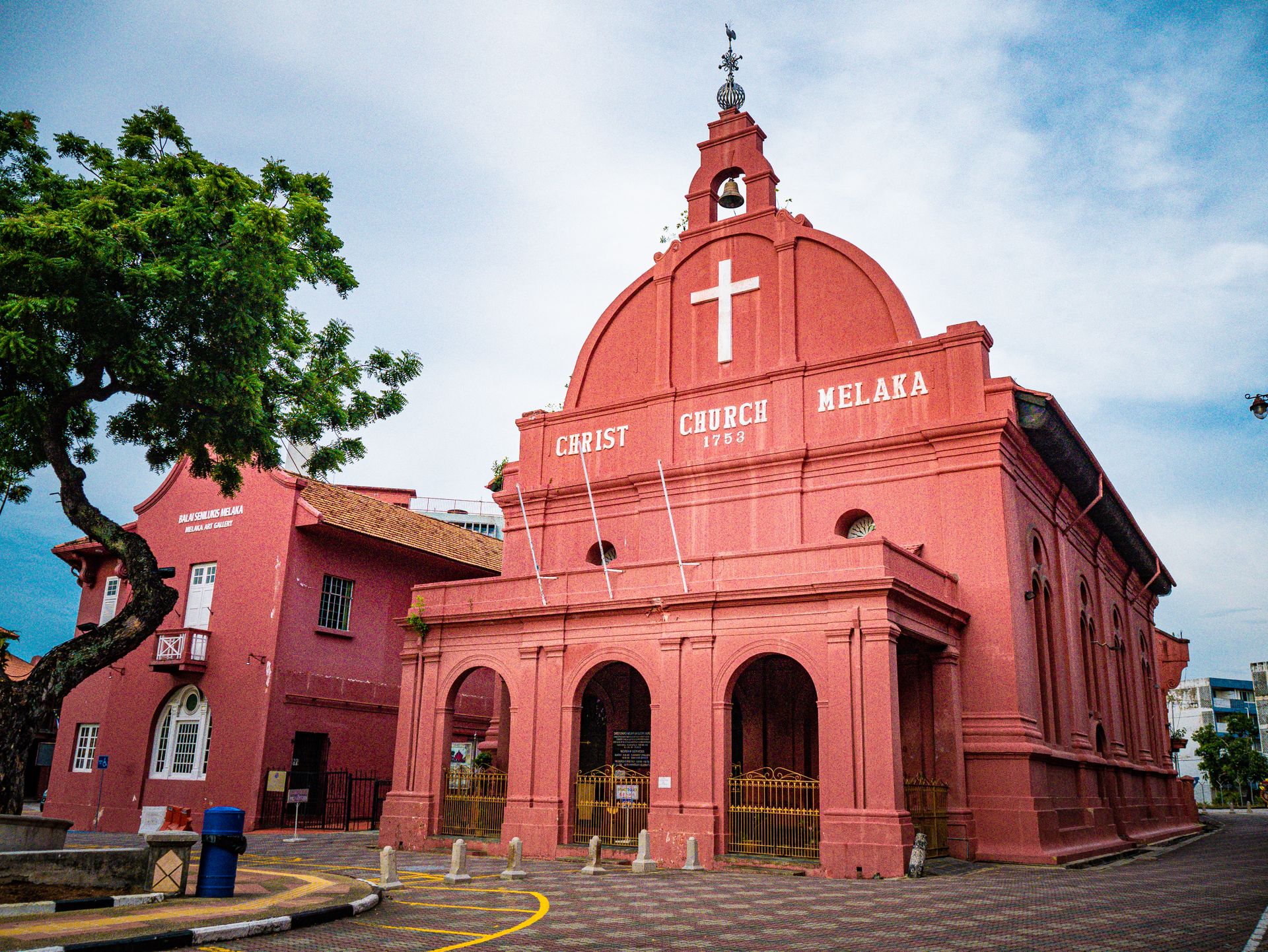 1–2 days
Malacca
UNESCO-listed colonial city, river and old-fashioned shops.
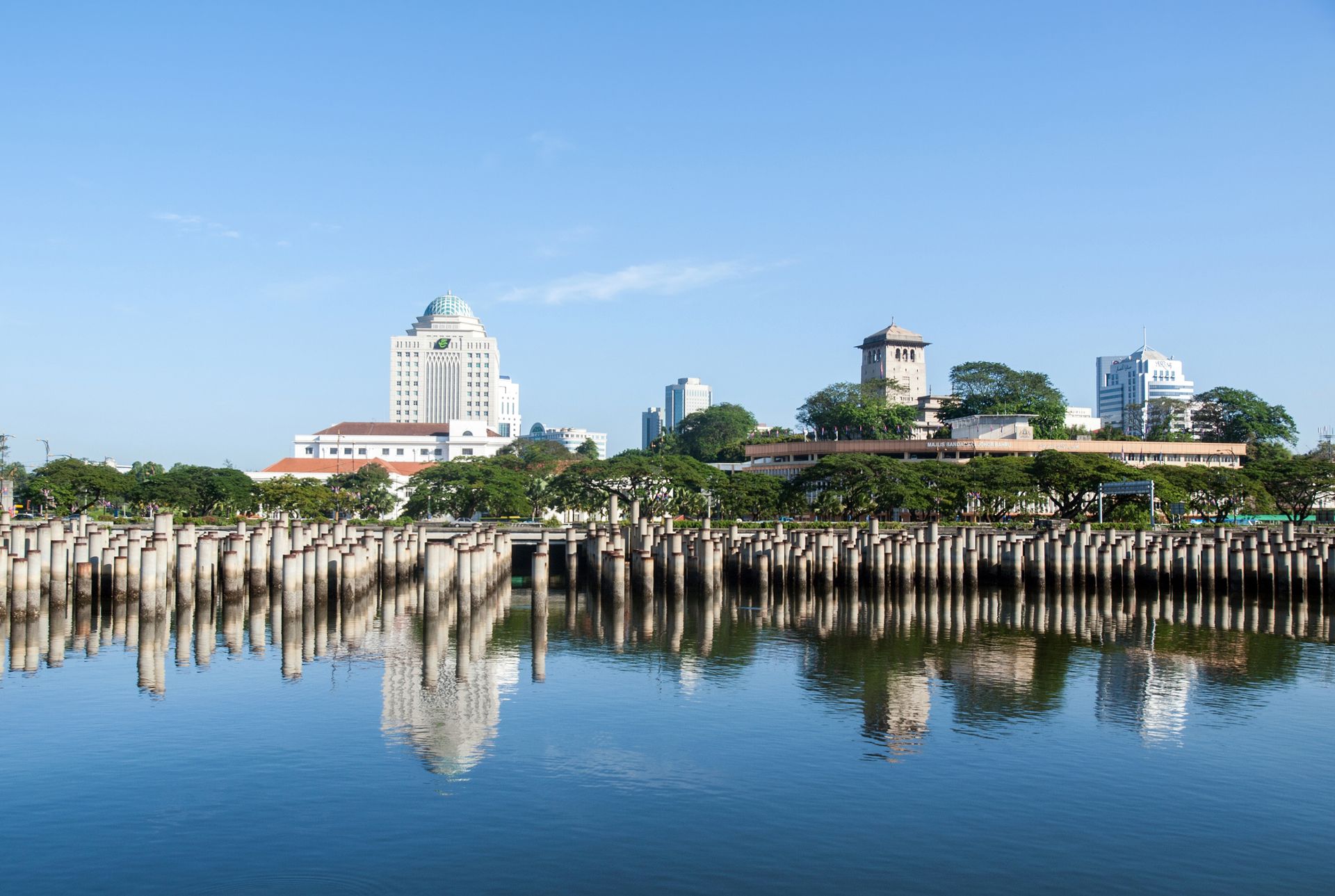 1–2 days
Johor Bahru
Gateway to Singapore, Sultan Abu Bakar Mosque and Legoland.
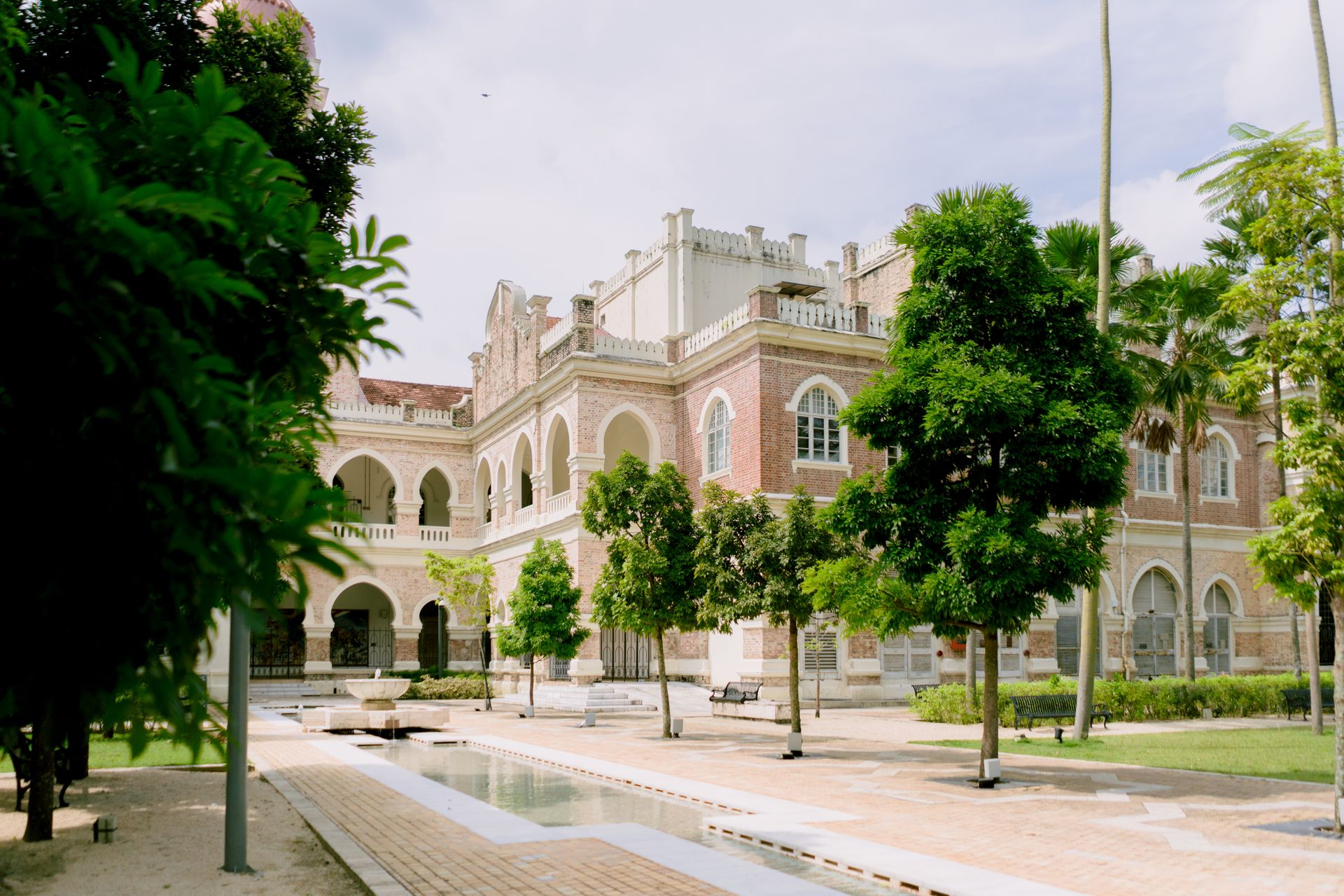 1–2 days
Ipoh
Limestone caves, cave temples and renowned white coffee.
 1–2 days
Cameron Highlands
Tea plantations, cool highland air and local strawberries.
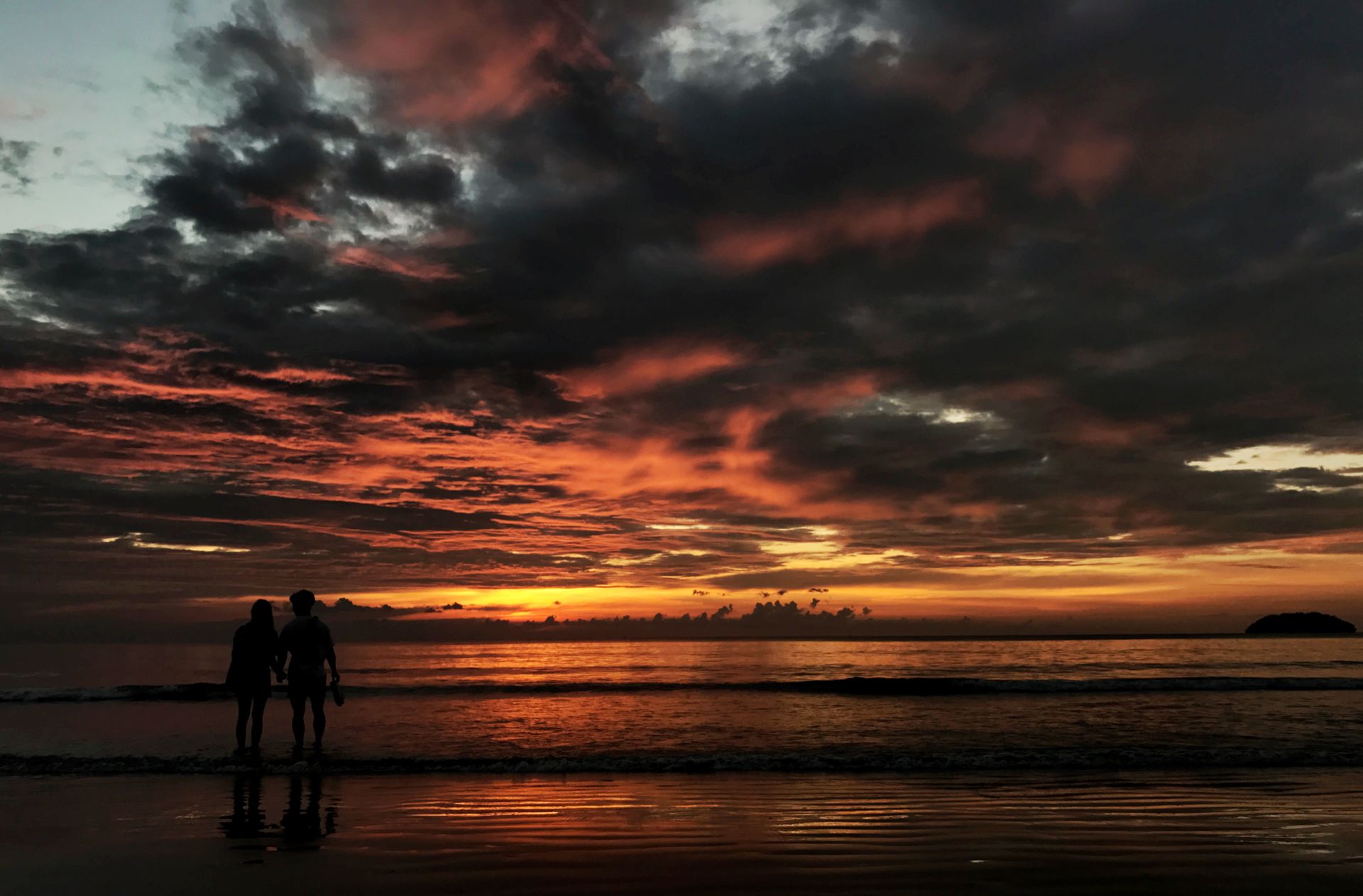 3–4 days
Kota Kinabalu
Gateway to Borneo: Mount Kinabalu, the islands and night markets.
 2–3 days
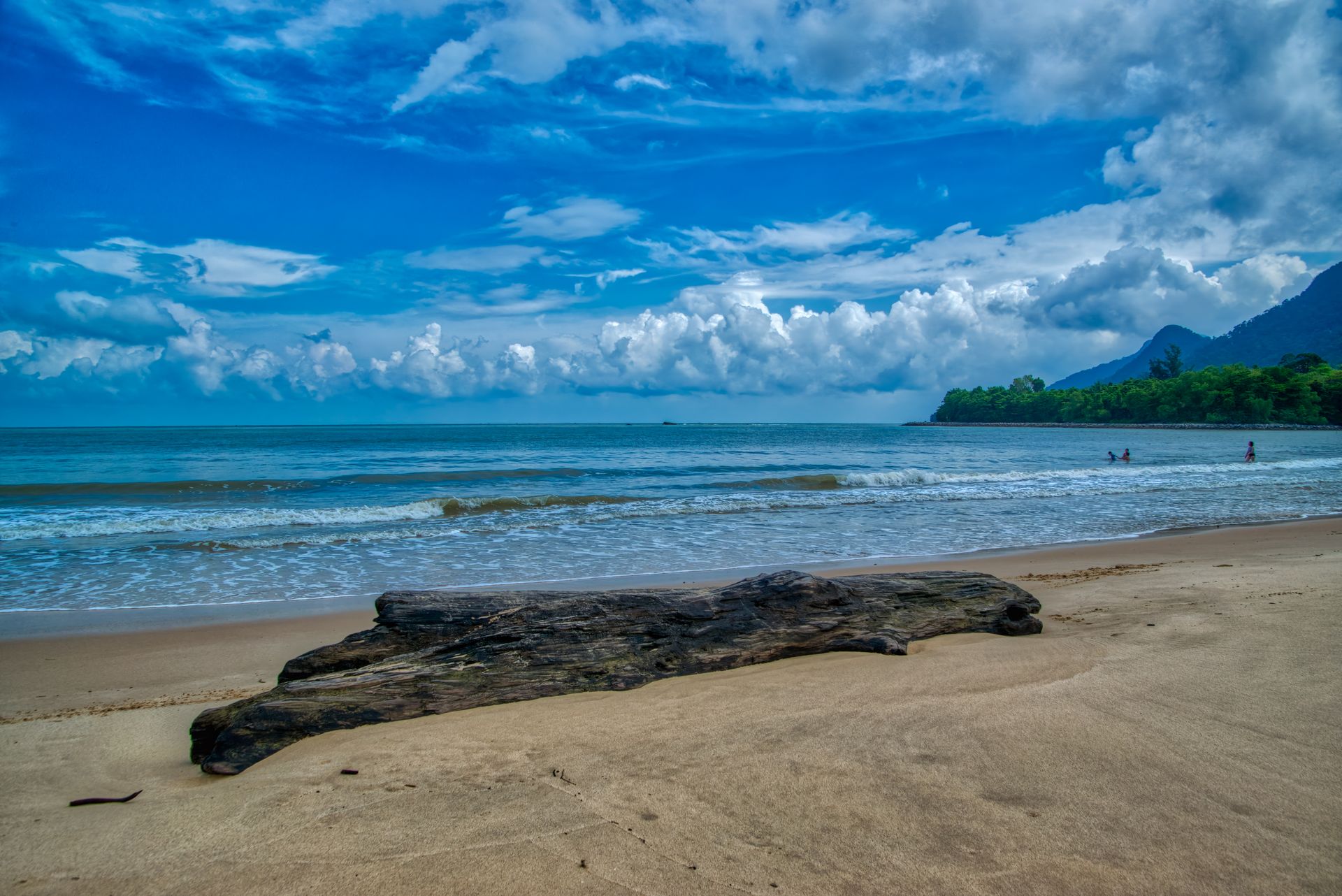
Kuching
Orangutans, Dayak longhouses and a peaceful riverside.
 1 day
Putrajaya
Futuristic administrative capital and its spectacular mosques.
 3–5 days
Perhentian Islands
Diving, sea turtles and turquoise waters without cars.
 2–3 days
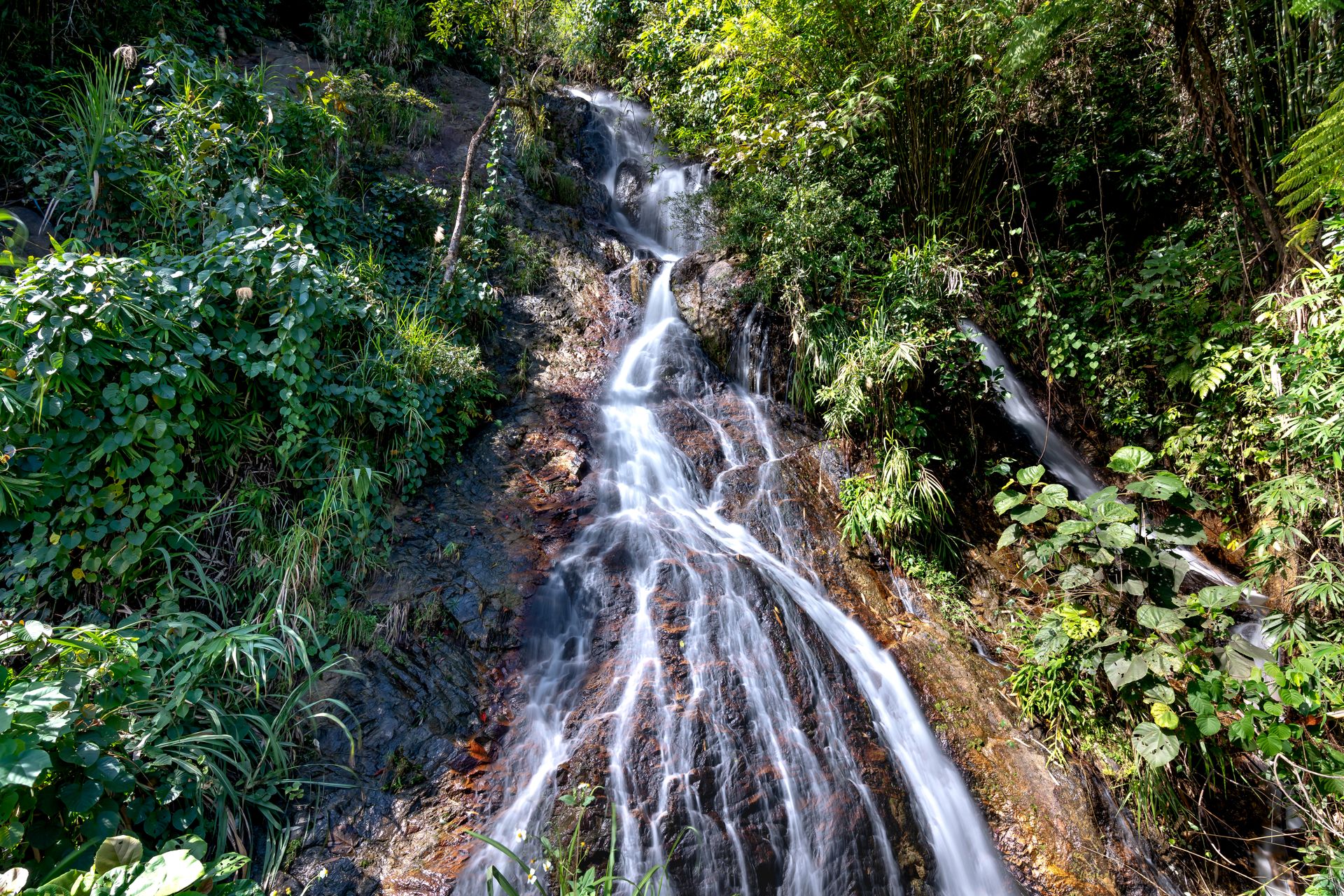
Tioman Island
Tropical jungle plunging into the sea and pristine reefs.
 2–3 days
Taman Negara
One of the world’s oldest tropical rainforests, canopy walk and treks.