What to do in Malaysia?
Discover Malaysia’s must-see attractions, from Langkawi’s idyllic beaches to the jungles of Borneo, via the dynamic cities of Kuala Lumpur and Penang.
Read the article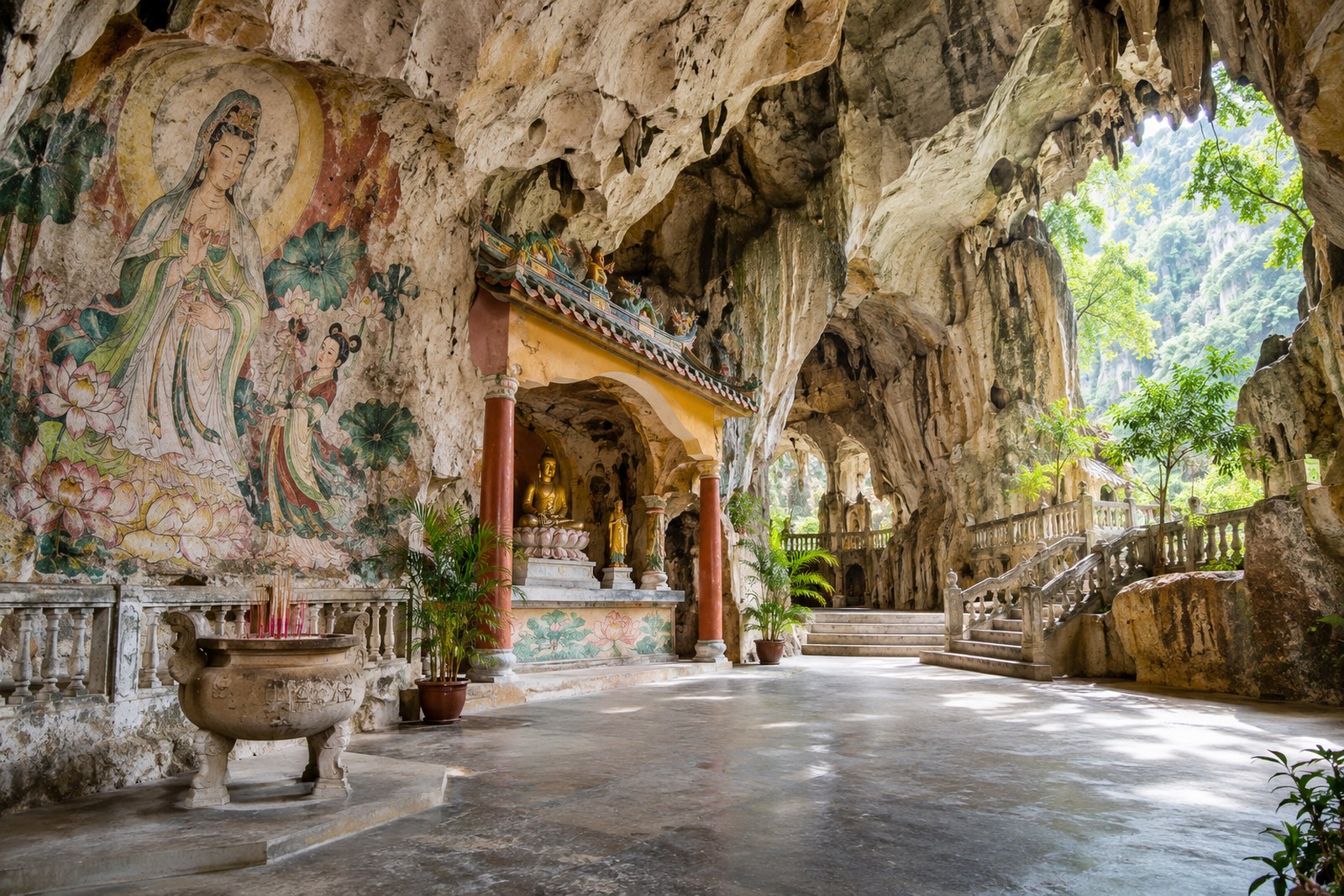
In Ipoh, Malaysia, a walk can begin in front of a monumental railway station, continue among murals and end in a cave transformed into a Buddhist sanctuary. The capital of Perak, this former tin-mining town combines a vibrant urban heritage, spectacular limestone hills and cuisine that, on its own, makes it worth slowing down the journey.
Spending two to three days in Ipoh allows you to discover its main sides without reducing the stop to a succession of photos. The old town is easy to explore on foot, while the cave temples, Kellie’s Castle and the landscapes around Tambun require more planning.
The ideal itinerary mainly depends on what you enjoy: architecture and traditional cafés, gardens and places of worship, or a family outing around the caves. To make the choices more concrete, let’s occasionally follow Claire and Marc, a fictional couple arriving by train from Kuala Lumpur: their aim is to enjoy the sights, eat well and keep enough flexibility for tropical showers.

The railway station is an excellent starting point for understanding the city’s former prosperity. Designed by architect Arthur Benison Hubback, it combines classical references with architectural influences often described as Indo-Saracenic, in an ensemble particularly recognisable for its white façades.
Nearby, the town hall and former courthouse continue this reading of the colonial landscape. These buildings bear witness to the administrative and economic role acquired by the town when tin mining was transforming the Kinta Valley.
The Birch Memorial Clock Tower calls for a more nuanced reading than a simple photo stop. It commemorates James W. W. Birch, the first British Resident of Perak, whose actions and assassination form part of the contentious history of colonial expansion.
For Claire and Marc, taking the time to observe these buildings before heading into the lanes changes the walk: the façades are no longer merely decorative. They become traces of a mining economy, a foreign administration and communities that came to work or trade in the region.
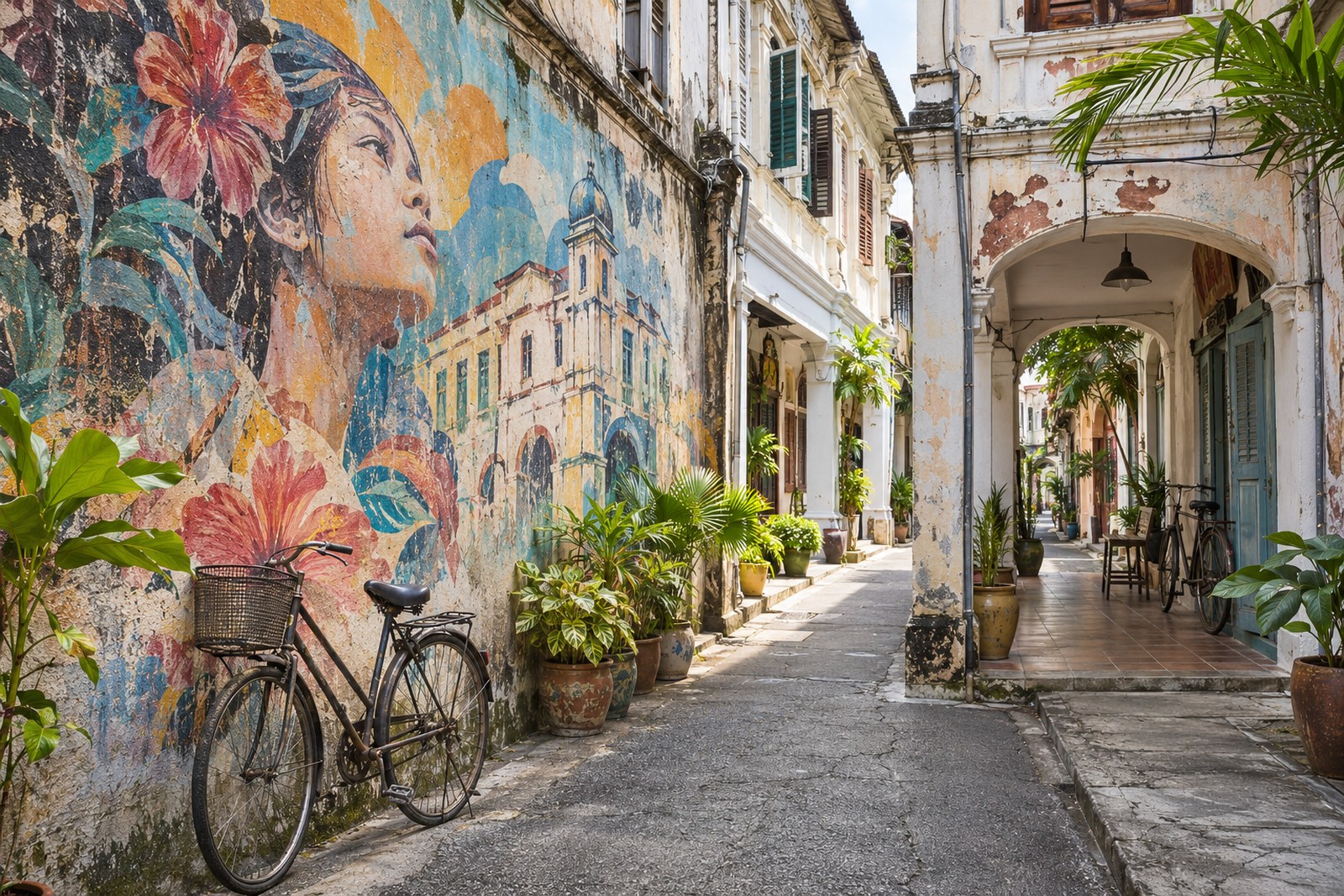
Concubine Lane, Market Lane and the neighbouring streets bring together some of the most photographed shops, cafés and settings. It is best to explore them early, to look at the buildings before the crowds arrive, then move away from the busiest passages to find everyday local businesses.
Street art is scattered across several areas: it does not form one perfectly continuous open-air museum. Some works associated with Ernest Zacharevic refer to coffee, work or local life, while other paintings belong to different projects, particularly around Mural Art’s Lane.
Do not try to track down every mural shown on an old map at all costs. Paintings age, walls change and some compositions disappear; a successful walk therefore leaves room for discovery rather than following an exhaustive list.
Also look at the shophouses, these shop-houses whose ground floors traditionally accommodate a commercial activity. Their covered walkways offer welcome protection from the sun, although their continuity may be interrupted by steps, furniture or building work.
Our guide to Ipoh’s old town and its lanes helps you organise this walk by neighbourhood. Plan a flexible loop rather than a timed route: crossing a street, looking at a sign and stopping at a café are all part of the experience.
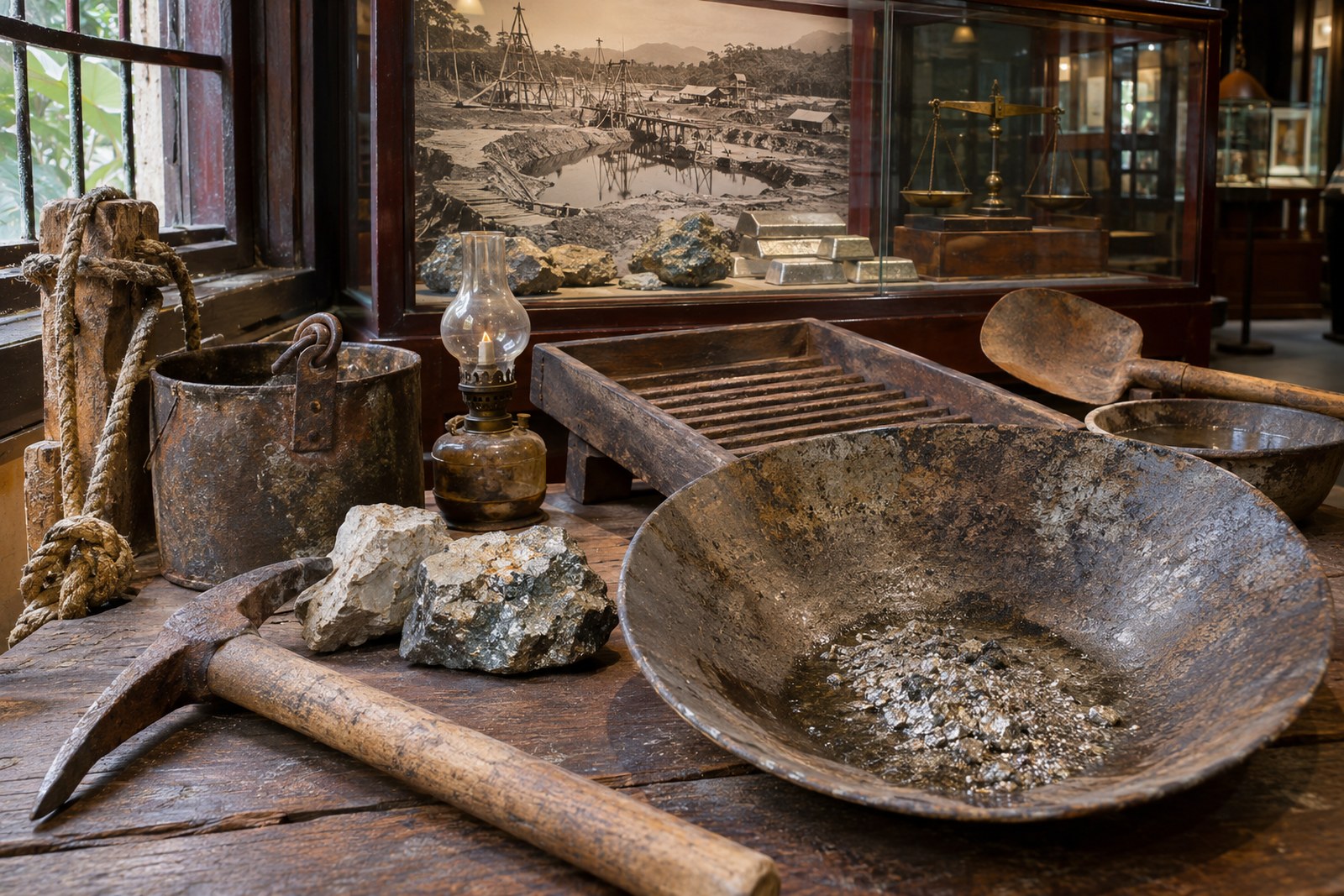
Housed in the former Hakka miners’ club, Han Chin Pet Soo provides valuable context on the tin industry and the life of this Chinese community. It helps connect the commercial fortunes, migrations and architectural transformations you can see outside.
Access conditions and visiting arrangements should be checked with Ipoh World, which runs the museum. Do not assume that you will be able to enter immediately without a booking, particularly if your visit coincides with a busy period.
Another option is to set aside the hottest hours for an indoor activity, then resume walking when the light becomes softer. Bring water, protect yourself from the sun and carry a lightweight raincoat: short distances do not eliminate the fatigue caused by humidity.
The old town is best discovered by connecting its painted walls with its history, rather than simply collecting photo spots.
The limestone landscapes are one of Perak’s great attractions. Around the urban area, natural cavities have been adapted into sanctuaries: the rock remains visible, frames the statues and gives the halls an atmosphere very different from that of a temple built entirely in the open air.
Perak Tong, north of the centre, combines a vast interior space, Buddhist representations and murals. The visit begins with an exploration of the sanctuary; it can continue with steps leading to viewpoints, when access is permitted.
This climb should not be considered compulsory. The heat, steps and humidity can make the effort uncomfortable, particularly with young children or for anyone who struggles with changes in elevation.
Wear suitable shoes and avoid the higher sections if they are closed or if conditions become unfavourable. A panorama is never a reason to get around a barrier, particularly in a rocky environment exposed to bad weather.
To the south-east, in the Gunung Rapat area, Sam Poh Tong offers another way to experience Ipoh’s cave temples. The landscape combines the sanctuary entrance, landscaped areas and spaces set into the mountain.
The appeal lies in moving slowly from a bright outdoor setting into the cave’s darker spaces. Stop in front of the altars and observe the worshippers’ practices without turning their religious observance into an attraction.
Several places of worship can be found in this area, which may cause confusion on maps or in travel posts. Check the name at the entrance: not every pagoda photographed near Sam Poh Tong necessarily belongs to the same complex.
Turtles are present in some areas associated with the visit. Avoid buying an animal to release it, and do not hand out food without explicit instructions: a gesture presented as symbolic can have health or ecological consequences.
Kek Lok Tong particularly appeals to travellers who want to combine religious discovery with a walk. The passage through the cave, between mineral formations and statues, opens out onto a garden dominated by limestone cliffs.
This contrast explains its appeal: you are not simply coming to look at an altar, but to experience a succession of spaces. In the garden, adapt your route to the weather and the areas actually open, without assuming that additional activities are available.
To compare the different atmospheres, see our guide to the cave temples around Ipoh. If you only have half a day, prioritise two nearby sanctuaries rather than rushing around the whole urban area.
Sam Poh Tong and Kek Lok Tong combine more naturally than Perak Tong, which lies in a different direction. Claire and Marc therefore choose the Gunung Rapat area for their first outing, keeping the northern site as an option depending on their energy levels.
Opening hours, any additional fees and restrictions must be confirmed with each operator; the general information from Tourism Malaysia helps with preparation but does not replace the instructions on site. The best itinerary is one that respects both the visitors’ pace and the spiritual purpose of these places.
Located near Batu Gajah, Kellie’s Castle is not a visit to fit between two streets in the centre. This excursion requires dedicated transport or an organised itinerary, with your return planned before you set off to explore.
The building is associated with William Kellie Smith, a Scottish entrepreneur who settled in Malaysia during the colonial era. His project for a monumental residence was left unfinished, which explains the strange impression created today by its spaces, corridors and open sections.
Ghost stories are part of the site’s tourist reputation, but they should be distinguished from historical facts. The castle’s main interest lies in its architecture, its patron’s ambitions and what it reveals about colonial society.
Observe the materials, openings and differences between the completed areas and those left unfinished. With children, this approach works well: why build so large, how would people have moved around, and what would the rooms have been used for?
The stairways and exposed areas call for caution, especially after rain. For the prices and opening hours applicable on your date, use the information provided by the operator or Tourism Perak, rather than relying on an amount copied from an old travel journal.
Qing Xin Ling Leisure & Cultural Village is known for its setting at the foot of the cliffs, its ponds and its displays evoking life in days gone by. The photographs make you want to plan a break there between the karst landscape and everyday objects.
However, you need to distinguish the site’s existence from its accessibility on your travel dates. The site was closed following a rockfall accident in 2024: an old tourist listing is not confirmation that it has reopened.
Before booking transport, ask the operator or local tourist office for explicit confirmation. Our page about Qing Xin Ling and visiting precautions is a starting point, but the latest official instructions remain the priority.
Do not build your day around activities shown in old images, such as a trip on the water. For Claire and Marc, this stop remains optional: they prefer to spend longer in an accessible garden rather than try to enter an area whose opening has not been confirmed.
In Tambun, the Lost World of Tambun complex combines leisure attractions with hot-spring facilities. The experiences available depend on the ticket, time slot and day-to-day operation: do not assume that one type of access automatically covers all the facilities.
Visit the official Lost World of Tambun website to compare packages, check opening hours and review height or age restrictions. Families will benefit from setting aside a proper amount of time for the park rather than treating it as a detour after several other visits.
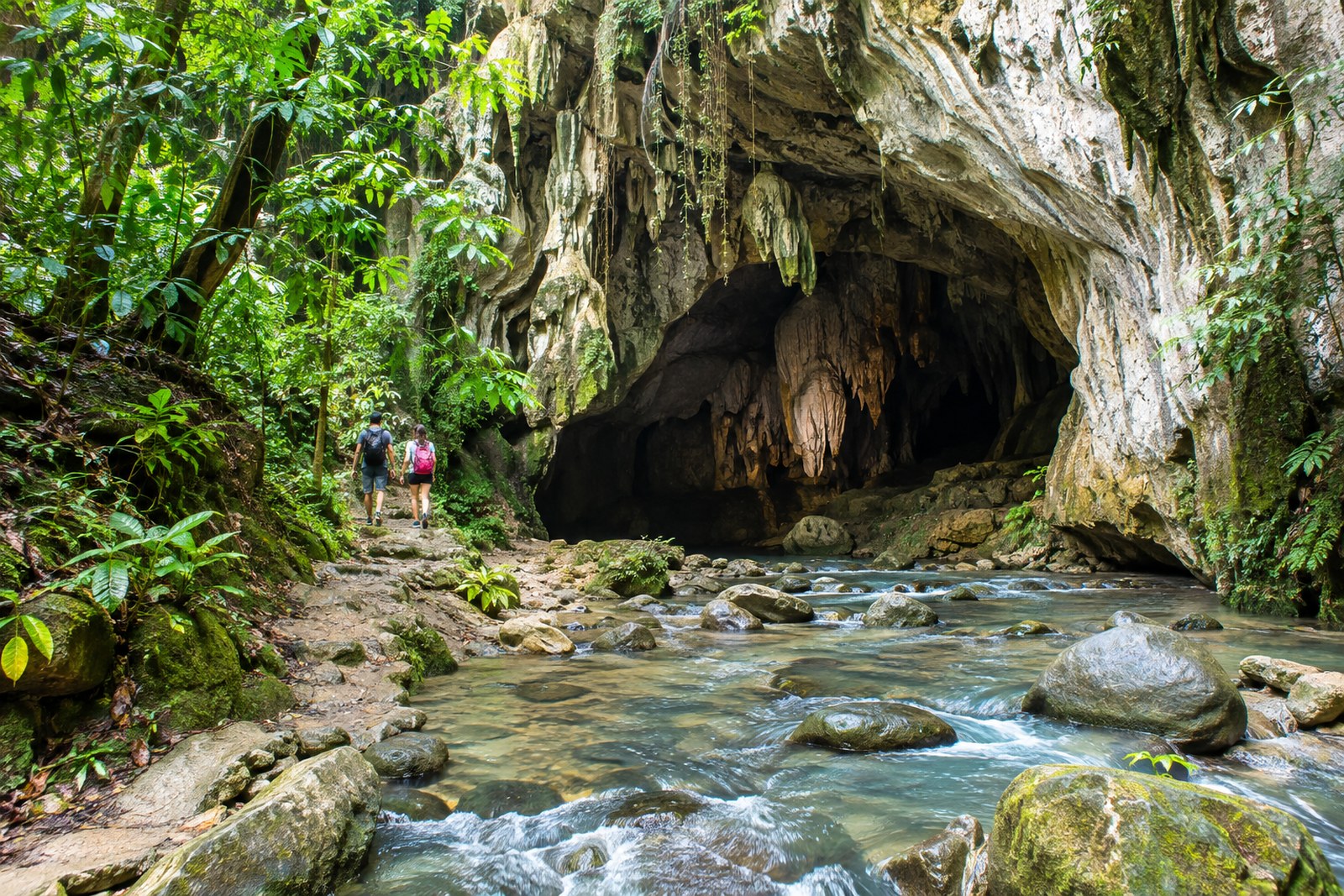
Gua Tempurung offers something different: the chance to discover a large natural cave, with routes of varying levels of difficulty. A developed path and an outing involving sections in the water require different equipment and levels of physical ability.
Check departures, supervision and weather conditions with the operator before setting off. The Cameron Highlands, reached by a winding road affected by traffic, generally deserve a separate stop rather than an added round trip on an already busy day.
Around Ipoh, choosing one coherent excursion offers more than clocking up kilometres between incompatible experiences.
To get online as soon as you land, a Malaysia eSIM can be installed before you leave, with no need to look for a local SIM card.
Ipoh white coffee refers to a coffee-making tradition, not a drink made from white beans. It is associated with roasting using margarine, followed by preparation often served with sweetened condensed milk.
Recipes and combinations vary from one establishment to another: it is best not to automatically assume that it contains less caffeine or has no bitterness. Its character comes from the roasting, extraction and the way the coffee is sweetened and combined with milk.
Take a seat in a kopitiam, a traditional café where several stalls may share the same dining room. Drinks and dishes are sometimes ordered separately; observe how things work or simply ask whom to pay for each part of the meal.
If you prefer less sweet drinks, say so when ordering. The expression “kurang manis”, meaning less sweet, is useful, but the result depends on the recipe: also ask whether the milk or sugar can be served separately.
A breakfast of kaya toast, soft-boiled eggs and coffee offers a good introduction to this counter-service culture. To distinguish this tradition from contemporary espresso bars, our article on speciality coffee in Malaysia provides further insight.
The signature dish is nga choy kai, generally presented as poached chicken served with mung bean sprouts, commonly called soya bean sprouts. It is eaten with rice or rice noodles, depending on the establishment and your order.
This distinction matters if you are simply looking for “chicken rice”: in Ipoh, the experience is not limited to the chicken-and-rice combination. The crunchy sprouts, seasoning and texture of the poultry are central to the dish.
The Jalan Yau Tet Shin area is home to several well-known restaurants, including Lou Wong. It is a restaurant district rather than a single market: compare the displayed menus, portion sizes and queues before choosing.
For two people, Claire and Marc first order a portion of poultry, a vegetable side and their chosen starch. This approach avoids ordering several large plates and leaves room to try something else later.
Kai si hor fun combines fine rice noodles with a broth generally made with chicken and prawns. The latter ingredient deserves particular attention if you have an allergy, even when the visible topping appears to consist mainly of meat.
Dim sum is another popular experience, particularly at well-known establishments such as Foh San. The selection may include pork, shellfish or other meat preparations: ask about the ingredients rather than relying on the appearance of a dumpling.
For a sweet break, try tau fu fah, a silken tofu dessert served with a syrup whose recipe varies. A small portion lets you discover its delicate texture without turning every food stop into a full meal.
The local food scene also includes Malay and Muslim Indian eateries, particularly around nasi kandar. Anyone seeking halal food should check the establishment’s certification or information: the absence of pork alone does not guarantee halal status.
Prioritise busy stalls, dishes served at a suitable temperature and drinks prepared in hygienic conditions. Eating well in Ipoh is mainly about trying a range of small discoveries and understanding what you are ordering.
KTM’s ETS train connects KL Sentral with Ipoh and is a practical way to avoid driving. The arrival station is close to the historic centre, allowing you to start your stay without a long transfer to the outskirts.
Journey times, service categories and prices vary depending on the departure selected. Check the timetable and book on the official KTM Berhad website, selecting KL Sentral and Ipoh precisely; the information shown for your date takes precedence over any general estimate.
Plan further ahead during long weekends and holidays, when some departures may fill up. Also check the amendment rules and allow plenty of time to find the train access point, especially if you are unfamiliar with KL Sentral.
From Kuala Lumpur Airport, allow separately for the journey to the departure station and extra time in case your flight is delayed. A train ticket booked too close to landing can turn a simple connection into a source of stress.
Two full days are a good starting point; three days give you more freedom. The difference has less to do with the number of monuments than with the distance of the excursions, the breaks needed in the tropics and your desire to enjoy the meals.
A late arrival followed by an early departure does not amount to two days of sightseeing. So count the time you genuinely have available before booking accommodation, rather than relying solely on the number of nights.
| Time available | Suggested itinerary | Choice to make |
|---|---|---|
| One day | Old town, heritage, street art and local specialities | Save excursions for another trip |
| Two full days | Historic centre followed by a cave temple circuit | Limit distant detours to keep the pace enjoyable |
| Three days | Add Kellie’s Castle, Tambun or Gua Tempurung | Choose the excursion according to your interests and access conditions |
To see another way of structuring your itinerary, the account of a two-day stay in Ipoh is a useful addition to your planning. Personal experiences help you assess the atmosphere, but prices and opening information should be checked against official sources.
Accommodation in the old town makes heritage walks easier, while the town centre on the other side of the river provides access to many food spots. Above all, check the exact location, soundproofing and whether the places you want to visit are within walking distance.
For temples and excursions, Grab, a taxi or a pre-booked driver can make getting around easier. Do not assume that having a car available at the start guarantees an immediate return from a remote site.
With several stops, compare the cost of a series of rides with keeping a vehicle and driver on standby, clarifying expectations, parking and any additional charges. For Claire and Marc, this option avoids negotiating every transfer and leaves some flexibility between visits.
The climate remains hot and humid all year round, with showers possible whatever the season. Check MetMalaysia before heading into a cave or to the foot of the cliffs, and keep an indoor option in reserve for thunderstorms.
A successful stay follows one simple rule: walk around the centre, group together outlying sites and do not fill every hour.
Explore the old town, Concubine Lane and the street art, then discover the cave temples of Perak Tong, Sam Poh Tong and Kek Lok Tong. Add a historical visit to Han Chin Pet Soo, some white coffee and chicken with bean sprouts. With more time, choose Kellie’s Castle, Tambun or Gua Tempurung; for Qing Xin Ling, confirm access permission first.
There is no objective answer. George Town appeals for its heritage and cultural life, Melaka for its historic centre, and Kuala Lumpur for its architectural contrasts. Ipoh is particularly well suited to travellers drawn to limestone landscapes, sanctuaries, shophouses and food. The best choice depends on what you enjoy discovering.
French is not widely spoken in Malaysia. Malay is the national language, while English is widely used in tourist services and many urban shops. Several Chinese languages are also spoken in Ipoh. For a visit in French, explicitly book a French-speaking guide; a translation app can help with everyday conversations.
Yes. The ETS train allows you to arrive from Kuala Lumpur, and much of the historic centre can be explored on foot. For the temples and Kellie’s Castle, plan car journeys with a driver, a taxi or an organised excursion. Plan your return journey from remote sites in advance, particularly at the end of the day.
Prioritise booking your train and check the arrangements for Han Chin Pet Soo. For parks and guided cave outings, contact the operator to find out about availability and access conditions. At sanctuaries, check opening times and local restrictions; a tourist booking never guarantees that an area closed for safety reasons will be open.
Tickets for attractions, guided tours and experiences.
Discover Malaysia’s must-see attractions, from Langkawi’s idyllic beaches to the jungles of Borneo, via the dynamic cities of Kuala Lumpur and Penang.
Read the article
Everything you need to know about the budget for living or travelling in Malaysia: accommodation, transport, food and activities.
Read the article