
Living in Malaysia in 2026: the complete expat guide
Moving to, living in, and adapting to Malaysia in 2026: formalities, cost of living, housing, and practical tips for a successful expat experience.
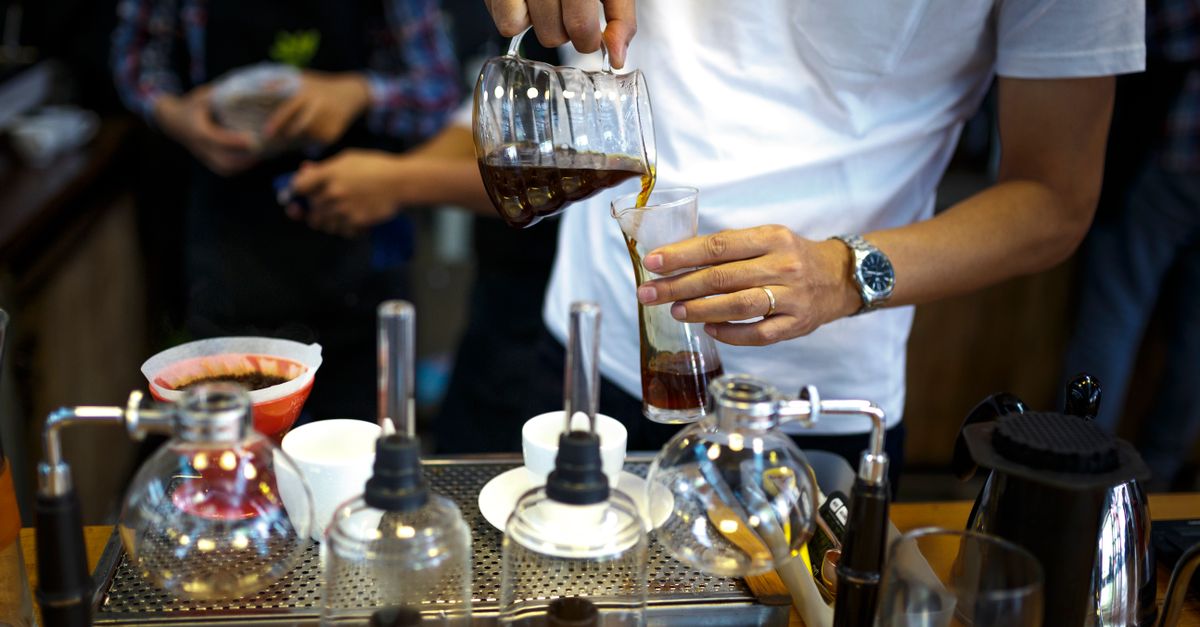
At the heart of Southeast Asia, Malaysia stands out as a dynamic player in the specialty coffee market, blending tradition with modernity in an evolving industry. More than just a drink, coffee has become a cultural phenomenon, uniting generations and communities in a country rooted in local heritage yet open to global influences.
8 August 2026 · 15 min read
At the heart of Southeast Asia, Malaysia stands out as a dynamic player in the specialty coffee market, blending tradition with modernity in an evolving industry. More than just a beverage, coffee has become a cultural phenomenon, uniting generations and communities in a country rooted in local heritage yet open to global influences. The rapid growth of specialty cafés, the rise of discerning consumers, and the diversification of key players shape a multifaceted ecosystem where quality now takes precedence over quantity.
Malaysian coffee consumption has evolved significantly in recent years, driven by urban growth, active lifestyles, and a strong trend towards specialty coffee. While locally grown Robusta has historically dominated, the market now embraces imported and popularised Arabica, offering a wider range of flavours that redefine the coffee experience in the country. In this context, innovative coffee trends coexist with traditional favourites like kopitiams, reinvented to appeal to a more diverse clientele.
Key players in the sector—including small family-run farms, influential coffee importers, and international coffee chains—aim to capitalise on this trend by introducing advanced roasting methods, ready-to-drink products, and stronger sustainability criteria. Competition is fierce, but it also drives quality and innovation, shaping a promising future for Malaysia’s specialty coffee industry.
Malaysia’s specialty coffee market is undergoing deep changes aligned with global and local trends, redefining consumer expectations and shaping key players’ strategies. The rise of premium coffee consumption goes beyond taste alone; it now reflects a demand for authenticity, ethics, and personalisation. This trend stems from demographic and sociocultural shifts, with millennials and Gen Z driving the evolution of coffee culture.
In Malaysia, urban consumers are increasingly adopting behaviours typical of mature markets, demanding transparency about grain origins, sustainable farming methods, and precise roasting techniques. This shift is reflected in growing demand for organic or fair-trade coffee, as well as innovative experiences like cold brew, nitro coffee, or customisable machine blends.
Consumption habits are also shifting towards ready-to-drink coffee, particularly in dynamic urban areas where speed and convenience have become essential criteria. The ready-to-consume beverage market is thus experiencing exponential growth, driven in part by packaging innovations and the digitalisation of orders. This trend aligns with the rise of specialty coffee shops, which are investing in hybrid concepts blending retail sales, tastings, and online sales.
A map of notable local initiatives:
This new consumption model also highlights growing appreciation for local heritage, exemplified by the enduring *kopitiams*, which reinvent themselves to attract younger, cosmopolitan crowds. They play a key role in preserving Malaysian coffee culture while embracing modern practices—such as espresso machines or diversified menus.
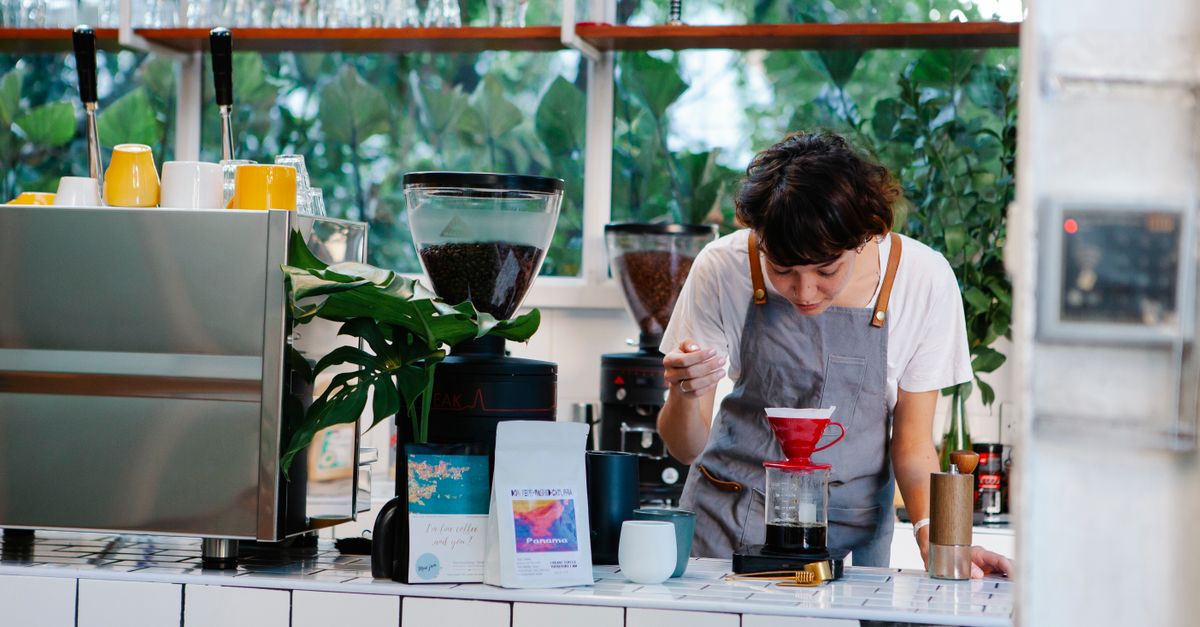
Malaysia’s specialty coffee industry is driven by a diverse range of players, whose growing importance is shaping a rich and competitive market. Local smallholders, primarily producing Robusta, are making their mark by committing to improving grain quality and showcasing their terroir despite challenges related to altitude and infrastructure. Their role is crucial in the value chain, especially given the rising demand for specialty coffee from short, transparent supply chains.
Meanwhile, coffee importers play a strategic role in supplying Arabica beans, essential for the sensory profiles sought by enthusiasts. Vietnam, Indonesia, and Brazil dominate these imports, providing globally recognised varieties for their quality. These players must navigate between Malaysian regulatory demands—including strict import controls—and growing consumer expectations for traceability and ethical sourcing.
International coffee chains, established for decades—including Starbucks, which has over 300 outlets—are growing by adapting to local tastes and launching inclusive initiatives, such as their first sign language-friendly store. These major brands drive industry professionalism while facing competition from a multitude of independent cafés that prioritise authenticity and personalised service.
Malaysian artisan cafés, often intimate in scale, represent a new generation of players who excel in the art of specialty coffee from bean to cup. These innovative establishments develop bespoke roasting methods, offer barista training, and champion local coffee culture while fostering a loyal community mindful of sustainability values. Collaborations across these sectors drive a continuously improving quality dynamic.
| Category of Actors | Main roles | Examples and peculiarities |
|---|---|---|
| Local producers (Robusta) | Production, quality improvement, and terroir enhancement | Small-scale lowland farms, highlighting sustainable methods |
| Arabica coffee importers | Supply management, import regulation, and diversification of offerings | Vietnam, Indonesia, Brazil top the list, strict regulatory adjustments |
| International channels | Professionalisation, national presence, and innovation in product offerings | Starbucks (316 outlets), inclusive initiatives, local adaptation |
| Independent artisan cafés | Innovation, personalised service, training, and coffee culture promotion | Advanced roasting methods, barista events, and short supply chains |
The dynamism of these players, combined with increasingly demanding customers, propels Malaysia into a strategic position in the regional speciality coffee market, sparking growing interest from investors and coffee enthusiasts.
Malaysia’s coffee culture blends rich tradition with innovation, rooted in British colonial history and Chinese influences. Once overshadowed by tea, coffee is now a key social and economic pillar of Malaysian life.
Kopitiams are a cultural cornerstone not to be missed. The term combines ‘kopi’, meaning coffee, and ‘tiam’, a Hokkien word for shop. These establishments have served up traditional sweetened condensed milk coffee with a unique butter or margarine roast since the 19th century. The history of kopitiams is deeply tied to the migration of Hainanese communities, who established these spaces as social and economic hubs for the local Chinese population.
Similarly, coffee styles like Ipoh White Coffee, Kopi Tarik, and Kopi-O remain staples of daily consumption, sometimes reimagined by modern baristas. These drinks embody Malaysia’s cultural diversity and show how traditional techniques continue to shape today’s café culture.
Double roasting, a technique unique to Malaysia, creates a distinctive sensory experience, characterised by a nutty flavour and low acidity. This method combines roasting with caramelised sugar and margarine, producing a smooth texture in the coffee that appeals to all ages.
The growing popularity of specialty coffee fits into this vibrant story. They bring a fresh dimension to local culture while preserving the soul of traditional kopitiams. This coexistence enriches Malaysia’s coffee landscape, with a focus on quality, sourcing, and processing methods.
The Malaysian coffee market is influenced by a complex mix of import and export flows, regulations, and shifting consumer habits that directly impact local production and purchasing decisions.
In terms of imports, Malaysia primarily relies on Vietnam, Indonesia, and Brazil for green coffee beans, particularly Arabica, which remain essential for producing specialty coffee. Despite a recent decline in imported volumes—due to stricter sanitary controls and global disruptions—these partners remain indispensable for market stability.
In terms of exports, Malaysia focuses on smaller volumes, primarily unroasted Robusta varieties. Exports to Singapore, the United States, and Oman make up a significant majority, reflecting a strong business network despite its limited role as an exporting producer.
The COVID-19 pandemic severely disrupted supply chains, altering shopping behaviours and consumption models. The 2022 recovery demonstrated notable market resilience, particularly due to upscaling of offerings and the growing support for specialty coffee segments. However, high raw material costs remain a significant constraint for local players and importers.
Key factors influencing Malaysia’s coffee market:
In this context, understanding the interplay between local supply and imports is essential to anticipate future market trends. Kuala Lumpur’s rental market offers an excellent example of rapid urbanisation driving domestic demand and shaping new coffee consumption habits, while life in Malacca illustrates the contrast between urban areas and less densely populated regions in this cultural shift.
Looking to the future, Malaysia’s specialty coffee market is driven by a strong commitment to innovation and adapting to evolving consumer demands. The industry is investing in advanced roasting techniques to enhance flavours while meeting the growing appetite for customised and eco-friendly coffees. This shift is fueling the creation of innovative products, such as ready-to-drink coffees, which are gaining significant popularity in urban areas and among young professionals.
The rise of independent artisan cafés, often supported by digital platforms, is also democratising access to high-quality coffee experiences. Additionally, ongoing barista training through competitions and workshops helps professionalise this sector and ensures consistent quality in the services provided.
Urban farming projects, sustainable agriculture, and zero-waste initiatives are multiplying, highlighting a stronger commitment to environmentally friendly practices. These efforts serve as competitive advantages, reinforcing Malaysia’s position in the regional specialty coffee market.
Key insights:
This evolution balances traditional values with modernity, ensuring a promising future for Malaysia’s specialty coffee market, with opportunities for both newcomers and established players.
Malaysia primarily grows locally adapted Robusta coffee at lower altitudes, while Arabica is mostly imported to meet the demand for specialty coffee.
The pandemic disrupted supply chains and impacted consumption, leading to a decline in volumes in 2020 and 2021. However, the market has shown recovery, with a stronger focus on specialty coffee and sustainable products.
Kopitiams are traditional Malaysian cafés with a rich community heritage. Today, they coexist with modern cafés while retaining their unique identity and attracting a diverse clientele.
Vietnam, Indonesia, and Brazil dominate imports, while Singapore, the United States, and Oman are Malaysia’s key export markets.
Innovations include the promotion of ready-to-drink coffee, digital service enhancements, sustainable practices, and premium upgrades through advanced roasting methods.
Moving to, living in, and adapting to Malaysia in 2026: formalities, cost of living, housing, and practical tips for a successful expat experience.

How much does it cost to live in Malaysia? Housing, food, transport, and leisure: A detailed monthly budget for 2026, with real-life spending examples.
Discover all our guides to prepare for your expatriation to Malaysia: visas, accommodation, cost of living and daily life.
View all guides →