Living in Malaysia in 2026: the complete expat guide
Moving to, living in, and adapting to Malaysia in 2026: formalities, cost of living, housing, and practical tips for a successful expat experience.
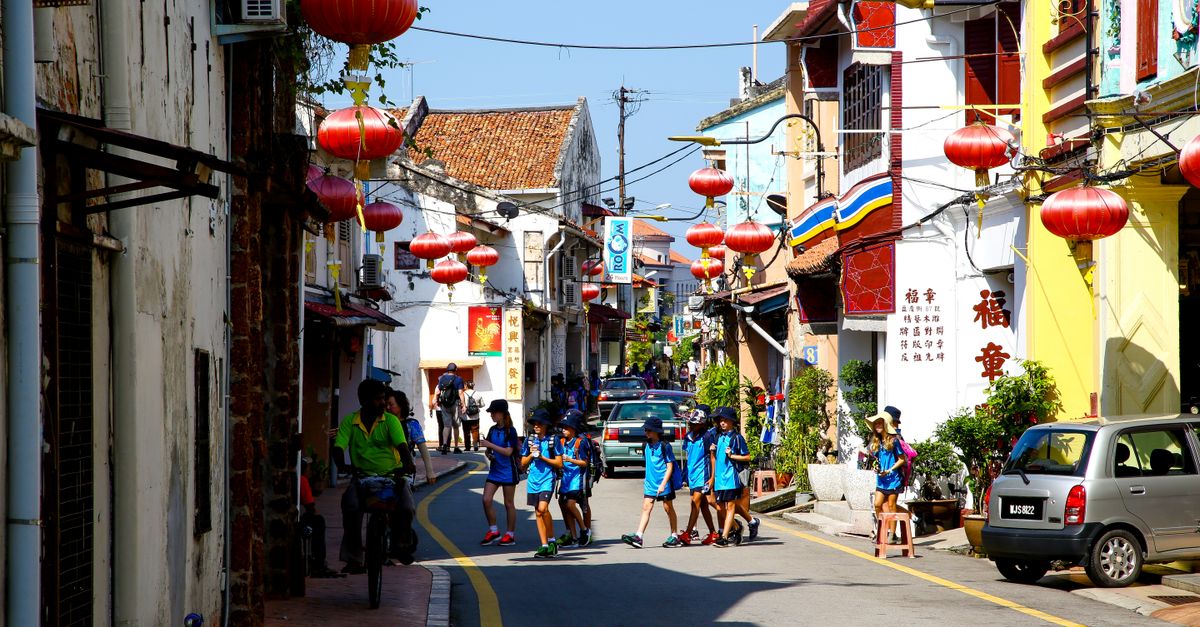
Malacca, a gem on Malaysia’s west coast, stands out as a must-visit destination for expats seeking a balance between tradition and modernity without the pressures of major cities.
8 August 2026 · 10 min read
Malacca, a gem on Malaysia’s west coast, stands out as a must-visit destination for expats seeking a balance between tradition and modernity without the pressures of major cities. The city is renowned for its rich historical heritage, colonial architecture, and relaxed atmosphere, while offering a significantly lower cost of living than France. Discover a city where quality of life goes hand in hand with affordability, perfect for those who want to immerse themselves in a vibrant culture while keeping their budget in check.
In an era of global inflation disrupting budgets, Malacca stands out for its notable economic stability, allowing residents to live comfortably on a much more modest budget. Whether buying a first home, renting an apartment, or managing daily expenses, this Malaysian city offers attractive solutions. Around its historic centre, where vibrant markets and welcoming cafés blend seamlessly, daily life in Malacca revolves around a pragmatic simplicity paired with a lively cultural dynamism.
Key Takeaways:
One of Malacca’s greatest advantages is its highly affordable housing market for expatriates. In 2026, the average rent for a city-centre apartment is around 170€ per month, a significant difference compared to many other Malaysian cities like Kuala Lumpur, or even direct comparisons with major French cities. This pricing allows a larger share of the budget to be allocated to other essential expenses.
Housing options in Malacca range from modern apartments and traditional homes to suburban residences where rents are even lower. This variety caters to a wide range of preferences and lifestyles. Properties with shared facilities like pools, gyms, or green spaces offer an attractive quality of life at an accessible price. Additionally, short-term rentals are a popular choice for newcomers seeking flexibility.
Additionally, the ancillary costs of housing — electricity, water, internet — remain reasonable, with a moderate monthly bill thanks to local rates. This affordability eases expats’ financial integration into their new lifestyle. Those looking to invest will find a stable and growing market, driven by rising tourism and increased foreign interest in the region.
Consult for an in-depth look at Kuala Lumpur’s property market, often compared to Malacca’s, via this link on Kuala Lumpur’s rental market in 2026.
Daily life in Malacca is greatly influenced by its easily accessible local cuisine. Traditional markets, known as *pasars*, and small shops overflow with fresh produce at extremely competitive prices. For example, a meal at a typical restaurant costs around £1.80, allowing you to enjoy variety without straining your budget. Malaysian cuisine, rich in flavours and diversity, offers a delightful alternative to often more expensive Western dining.
Modern supermarkets also offer a wide range of imported and local products. For those who prefer cooking at home, fresh fruits, vegetables, and spices sit alongside essentials at competitive prices. It’s common for expats to mix purchases from *pasar* (wet markets) for freshness with supermarket convenience.
Cultural diversity benefits residents: from Chinese, Indian, and Malay restaurants to Portuguese specialities inherited from colonial times, Malacca is a true culinary mosaic. This multiculturalism extends to daily life, offering affordable dining experiences and easing connections with different local communities.
Visitors looking to explore this aspect further will find numerous resources, such as the comprehensive guide to tax-free and duty-free shopping in Malaysia, a valuable tool for optimising your shopping and dining budget.
Getting around Malacca is simple and affordable, actively contributing to lowering the overall cost of living. The price of a litre of petrol is low, around €0.40, offering a clear advantage for private vehicle users. While modest, the public transport network effectively covers most daily routes, including buses and traditional taxis.
For shorter trips, cycling and walking remain very pleasant options given the moderate urban density and attention to urban planning. Access to two-wheelers is secure and common, enabling a more dynamic and economical daily life. Those who prefer cars can also consider importing their personal vehicle through simplified procedures, which are worth reviewing by consulting this practical guide on importing a car in Malaysia.
For tight budgets, local apps offer low-cost carpooling, and motorised vehicle rentals remain accessible to all residents, including short-term stays. Understanding local options lets you plan a very reasonable transport budget in daily life in Malacca.
Access to healthcare in Malacca reflects a balanced offering between public services and private clinics, giving expats a choice tailored to their needs. Local hospitals and medical centres provide both comprehensive and affordable services, with quality generally well-aligned to international standards. Dental care also enjoys a growing reputation thanks to medical tourism, attracting those looking to combine healthcare with savings.
Healthcare costs in Malacca remain moderate compared to those in Europe. Taking out private health insurance is recommended to ensure peace of mind and optimal access to certain treatments, with competitive options available in the Malaysian market. Additionally, beyond conventional medical care, specialists in holistic and alternative medicines contribute to diversifying choices for daily well-being.
When it comes to education, Malacca hosts several international schools and bilingual institutions tailored to expat families. These schools offer curricula aligned with Western standards while incorporating strong local cultural sensitivity. Parents can thus ensure a smooth, structured education that fully supports family expatriation.
For deeper insights into services for expat families, particularly school insurance and liability coverage for children, this document is a valuable resource: school insurance in Malaysia.
While Malacca’s economic landscape is smaller than that of major cities, it still offers opportunities for expatriates seeking local employment or entrepreneurship. Key sectors like tourism, trade, and services regularly hire, and proficiency in Malay and English is a major advantage. The average monthly salary in Malacca is currently around 413€, a modest amount that remains consistent with local living costs.
For those looking to upskill or pivot careers, continuous training options are widely available, helping you adapt to a demanding yet dynamic job market. Distance learning and career transitions are thriving, with dedicated structures for French-speaking expats. These initiatives promote financial independence and local integration.
Balancing your budget by understanding common expenses (rent, food, transport, healthcare) remains essential. The efficiency of public services and accessibility of benefits help reduce fixed costs. It is advisable to include potential variations from subscriptions and personal consumption in your financial plan.
The average rent for an apartment in the city centre of Malacca is around €170 per month, which is very affordable compared to other major cities.
Transport in Malacca combines a network of buses, taxis, and budget-friendly options like cycling or walking, making daily commutes both affordable and convenient.
Yes, Malacca has modern clinics and public hospitals offering recognised quality care, often at a lower cost than in France.
Tourism, trade, and services remain key sectors for expats seeking employment in Malacca.
Ongoing training and reskilling options are available to help expats adapt to the Malaysian market, including access to specialised guides.
Moving to, living in, and adapting to Malaysia in 2026: formalities, cost of living, housing, and practical tips for a successful expat experience.
How much does it cost to live in Malaysia? Housing, food, transport, and leisure: A detailed monthly budget for 2026, with real-life spending examples.
Discover all our guides to prepare for your expatriation to Malaysia: visas, accommodation, cost of living and daily life.
View all guides →