Cameron Highlands: Things to Do, Tea Plantations & Tips
The Cameron Highlands offer a different image of Malaysia: hills sculpted by tea bushes, forests wrapped in mist and towns where people are happy to put on a jumper after dinner. In this mountainous region of Pahang, the cooler climate attracts travellers as well as locals looking to spend a few days away from the tropical lowlands. But postcard landscapes also sit alongside agricultural greenhouses, commercial attractions and sometimes heavy traffic. Your choice of accommodation, timings and transport can therefore genuinely change the experience.
To make the most of your stay, it is better to combine a major plantation, a forest visit and a hike suited to the conditions than to cram in numerous stops. Two to three days on site provide a good basis, especially if you want to leave some leeway for showers. Take a real-life example: a couple arriving from Kuala Lumpur without a car and staying for two nights in Tanah Rata. By grouping the more distant sites into an organised outing, then setting aside a day for the area around the town, they can discover the main landscapes without spending all their time looking for transport. Here is how to plan this type of stay, together with the precautions useful for preparing your trip in 2026.
Tea plantations in Cameron Highlands: visiting BOH Sungei Palas
BOH Sungei Palas: the tea-growing landscape to prioritise
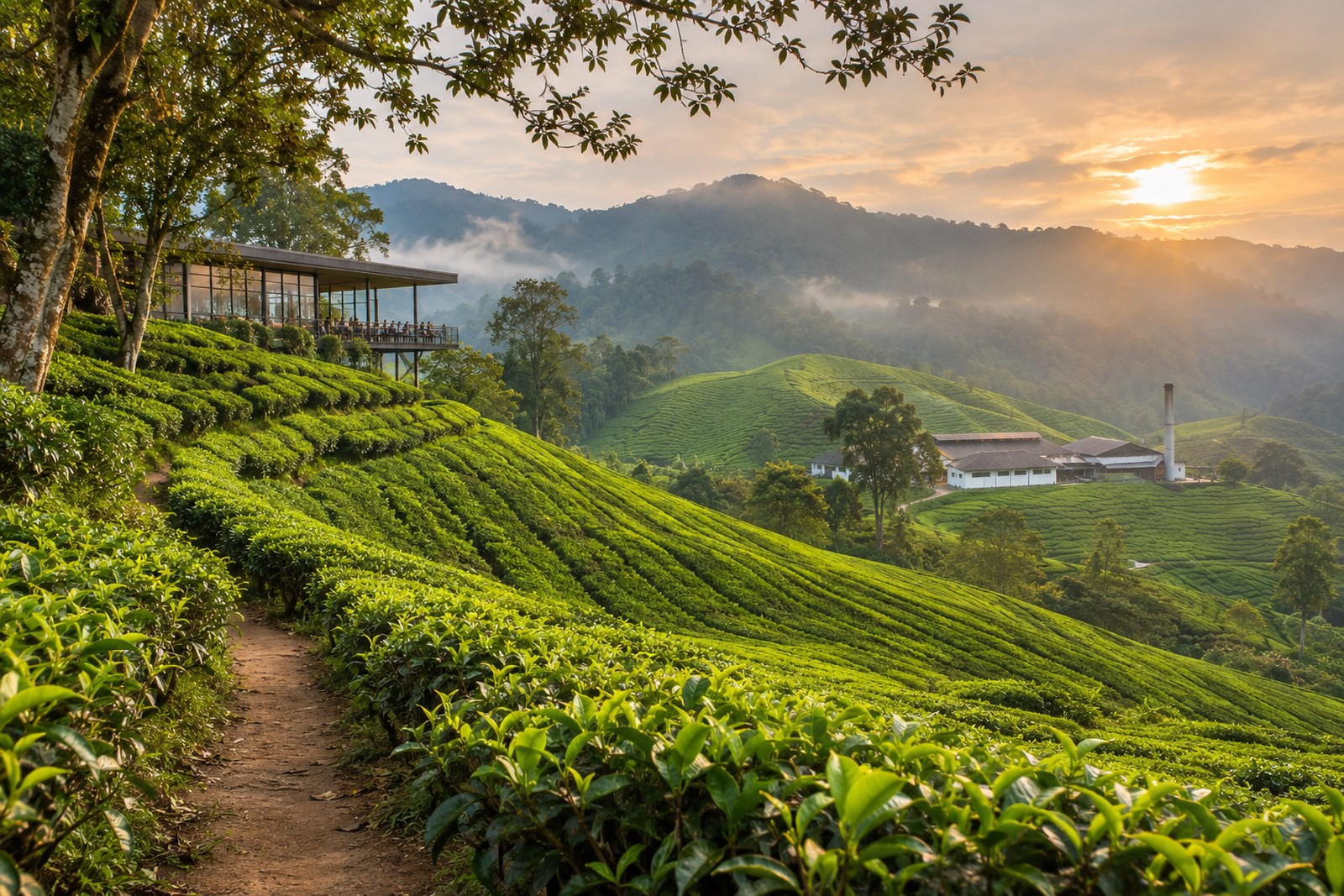
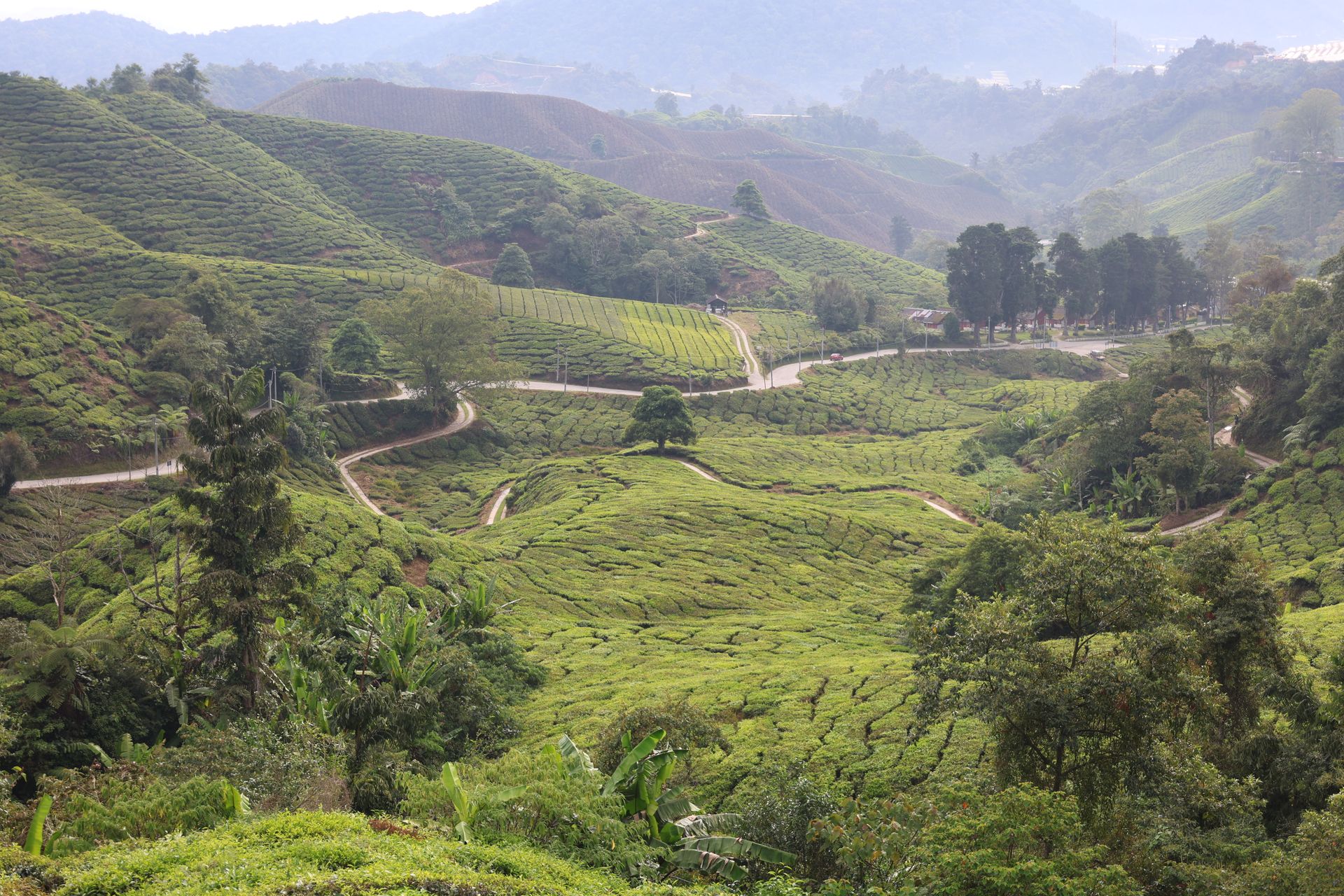
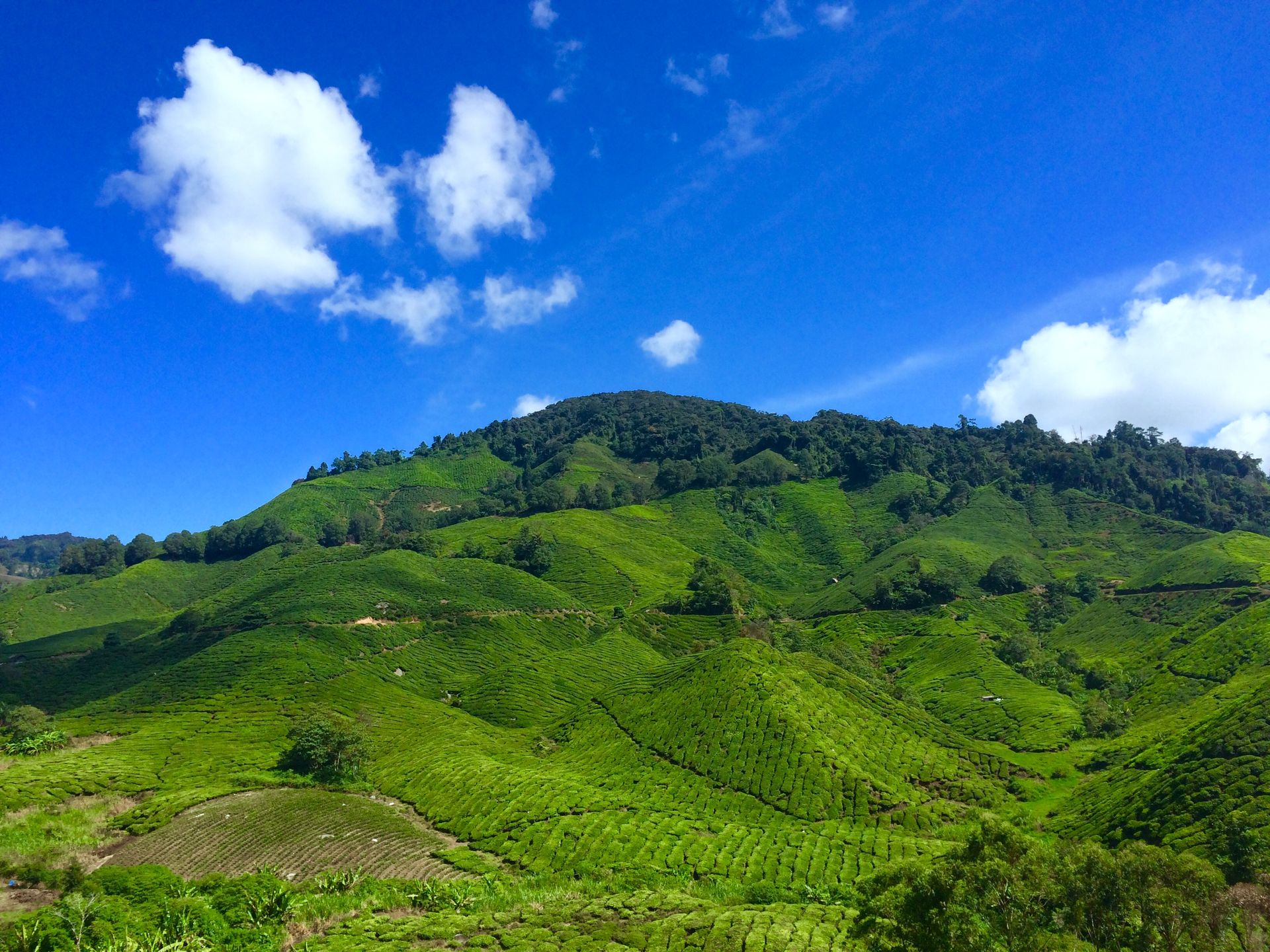
BOH Sungei Palas, in the Brinchang area, is among the region’s most representative sights. The rows of tea bushes follow the contours of the land and form particularly photogenic curves when the light breaks through the clouds.
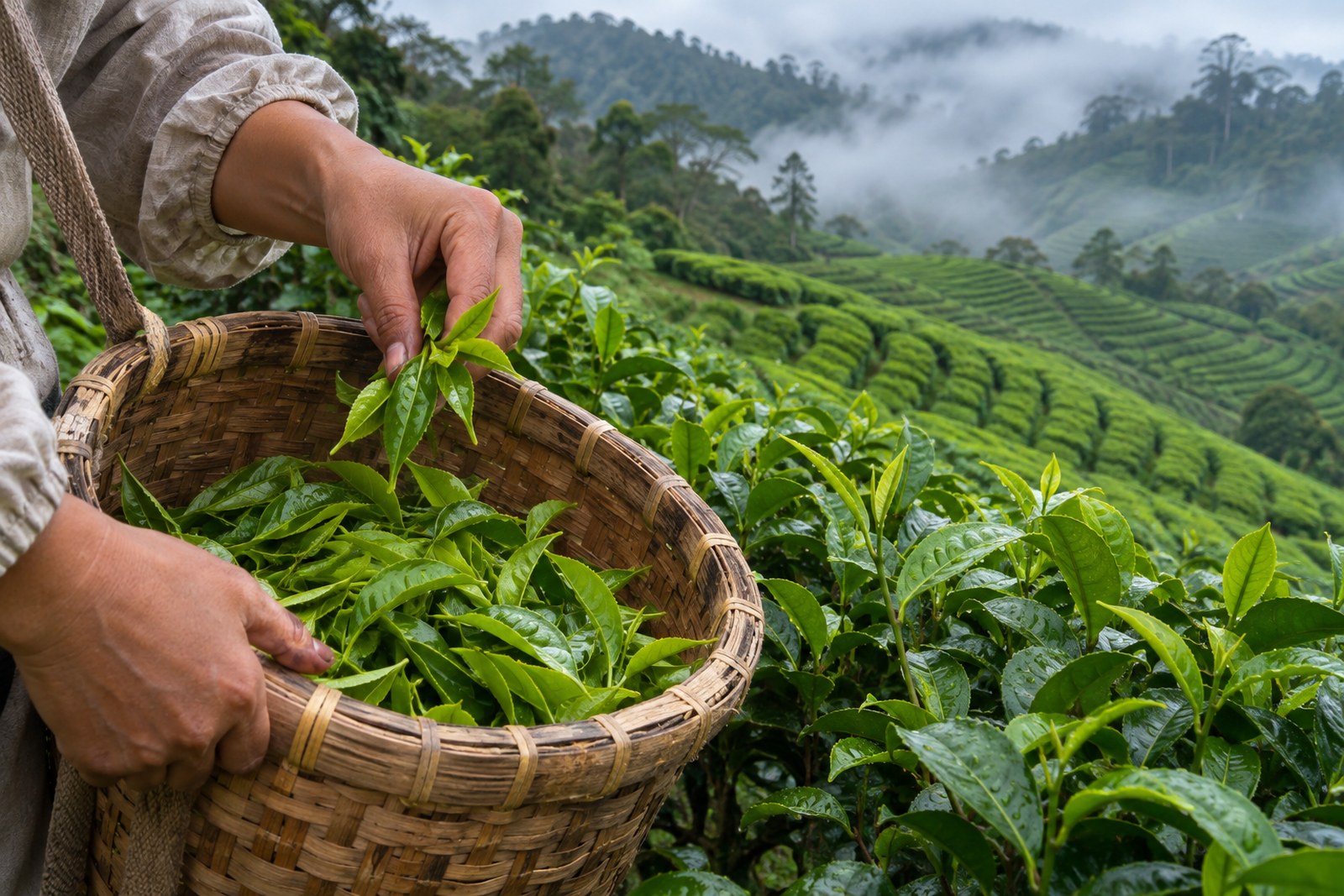
Yet the appeal is not limited to the café terrace. Observing these slopes helps you understand how an agricultural crop transforms an entire landscape: the plots are maintained to produce leaves that are harvested regularly, rather than simply forming a tourist backdrop.
Founded in 1929, BOH is part of the economic history of the highlands. Its development accompanied that of a region which became at once a hill resort, an agricultural area and a leisure destination for residents of the peninsula.
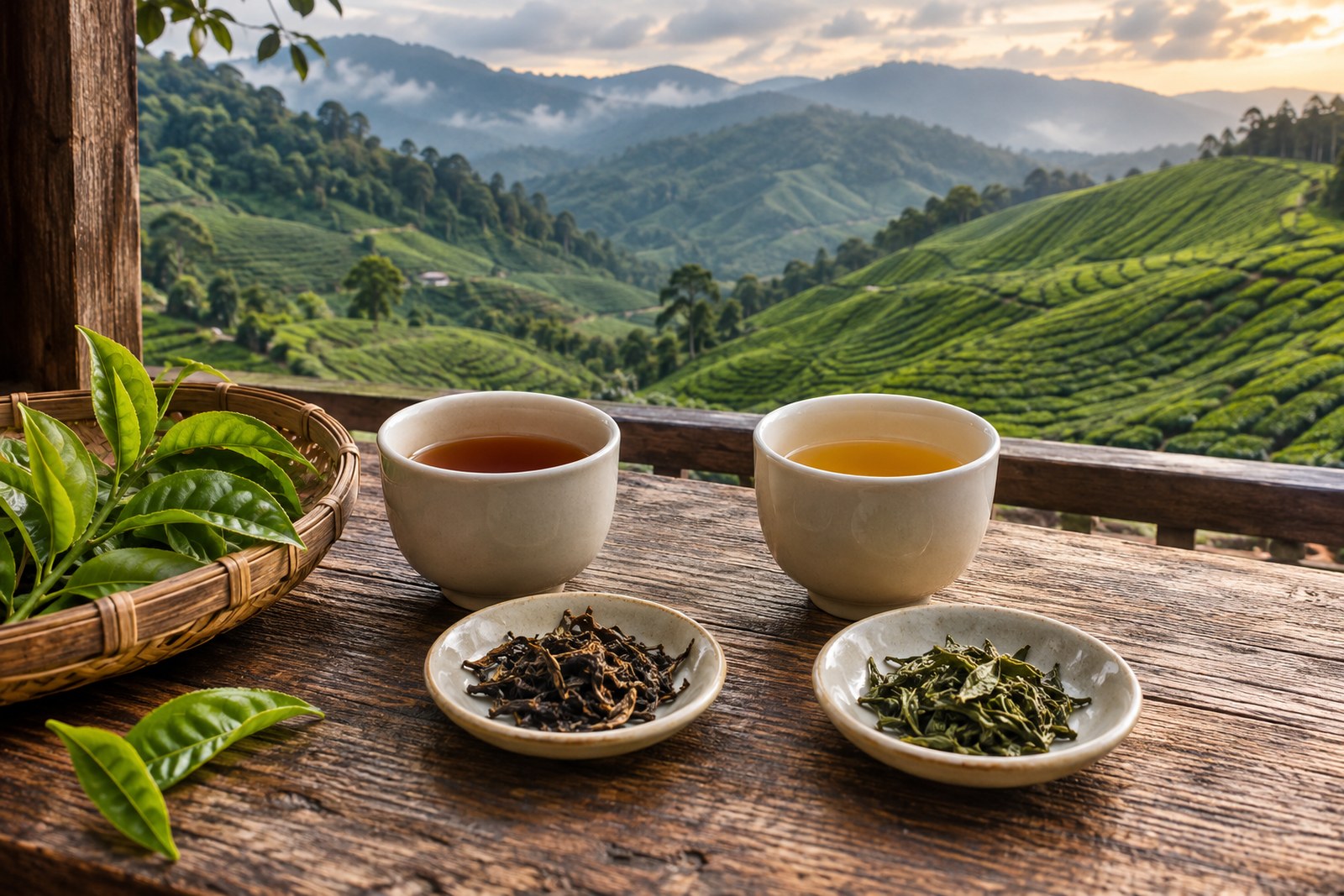
On site, the interpretation areas provide an introduction to the transformation of leaves into tea. Access to the facilities and the presentations offered depend on how the site is operating: do not assume that a production demonstration is automatically included in your visit.
Planning your Cameron Highlands tea plantation visit
Start by checking the information on the official BOH website to find out about opening conditions, any closures and the services available. The opening hours of a café, shop and visitor area are not necessarily the same.
Choose the start of the day, after confirmed opening, to limit the effect of group arrivals. This often makes getting around more comfortable, but guarantees neither clear skies nor an absence of visitors, particularly during Malaysian school holidays.
The access road has narrow sections and bends. If you are driving, go slowly, leave room for oncoming vehicles and do not stop on a bend to take a photograph.
For our couple staying in Tanah Rata, the simplest option is to include this estate in an excursion towards the northern hills. This avoids paying for several separate journeys and, above all, having to find an available vehicle for the return trip.
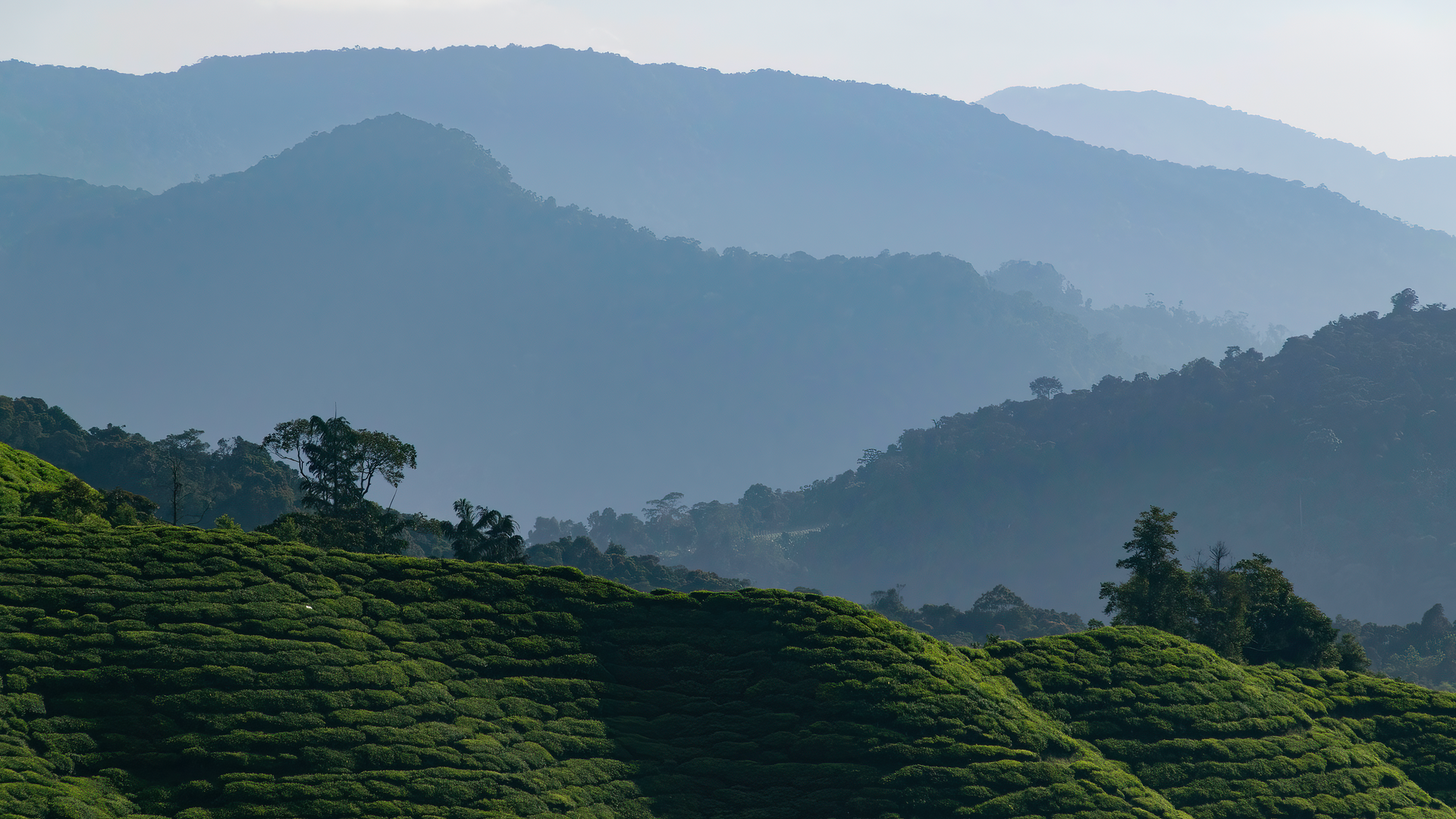
Once you arrive, take time to distinguish the different layers of the landscape: the bushes in the foreground, the ridgelines and the areas of forest preserved on the hillsides. A tasting then becomes a proper break, rather than extra time spent waiting between two attractions.
BOH or Cameron Valley: should you visit several estates?
Cameron Valley, associated with Bharat Tea, is another option, particularly along the route south of Tanah Rata. Be careful to check which visitor site you have chosen: several areas have similar names, with different access arrangements and facilities.
Visiting several estates is not essential on a short stay. A second stop mainly makes sense if you enjoy photography, want to compare the views or have a vehicle that allows you to stop without making a significant detour.
The paths through the plantations are not all freely accessible. Respect barriers and staff instructions; a route visible on a map or in a photograph does not amount to permission to cross an estate.
As for the budget, distinguish between site admission, any paid walks, refreshments and transport. The price of an excursion does not necessarily correspond to an all-inclusive package: ask for a breakdown before booking.
To compare different routes, you can consult this guide to highland plantations and hikes, then check the practical information with the operators. The best memories generally come from exploring one estate at a leisurely pace, not from rushing across a succession of terraces.
Mossy Forest and Gunung Brinchang: discovering the misty forest
Why Mossy Forest is worth visiting
The Mossy Forest owes its character to the persistent humidity of the high-altitude hills. Branches become covered in moss, ferns fill the gaps and epiphytic plants use trees as supports without necessarily parasitising them.
This landscape does not resemble a lowland jungle. The often twisted shapes, exposed roots and clouds drifting through the vegetation create a more enclosed atmosphere, where the interest is sometimes just a few centimetres from the path.
A naturalist guide adds real value here. They can explain the relationship between altitude, condensation and vegetation, while helping you spot details that are easy to miss when you are only looking for the next viewpoint.
Mist is therefore not necessarily a drawback. It may conceal the panorama while giving the walk its most distinctive atmosphere; heavy rain, however, reduces comfort and makes surfaces slippery.
Walkways, access and excursions to the Mossy Forest
The developed visitor route uses walkways designed to channel movement through a fragile environment. Stay on the authorised paths: walking on the moss carpets or going around a barrier damages vegetation that regenerates slowly.
The steps, changes in level and wet surfaces require good footwear. This is not a walk that should be assumed to be suitable for pushchairs or accessible to everyone with mobility limitations without checking first.
Check the information from the Pahang Forestry Department and ask your organiser to confirm the access conditions. Maintenance closures, weather-related restrictions and transport rules may alter the programme.
Excursions frequently use vehicles suited to mountain roads. This does not mean you should attempt the climb in just any hire car: ask exactly how far private vehicles are allowed to go and what condition the road is in.
Before paying, check whether the package includes the transfer from your accommodation, entrance fees, a guide and the time spent in the forest. Two offers with the same name may provide very different experiences.
Our car-free couple would do well to book this outing for their first full day. If the weather requires a change, they will still have the option to reschedule rather than putting their main visit just before departure.
Gunung Brinchang: distinguishing the mountain range, summit and trails
Gunung Brinchang refers to the terrain associated with this forest area, but visiting the walkways does not automatically mean reaching a summit or accessing a panoramic viewpoint. Commercial tours sometimes use descriptions broad enough to cause this confusion.
So ask what is actually planned: a photo stop, a developed walkway, a forest walk or a climb to an authorised viewpoint. The description should specify the effort required, rather than simply promising a “jungle adventure”.
Also avoid planning a sunrise or sunset visit based on an old travel account. Opening conditions, the state of the access routes and returning in the dark make this type of plan more demanding than a simple roadside stop.
A light warm layer, a waterproof jacket and protection for your phone will generally make you much more comfortable. Keep your hands free for the steps and handrails rather than carrying a cumbersome umbrella.
Find the route’s specific features on our page dedicated to the Mossy Forest visit. Here, the quality of your observations matters more than the distance covered: slowing down allows you to see what makes this ecosystem so rich.
Hikes in Cameron Highlands: choosing the numbered trails
Understanding the trail numbers around Tanah Rata
The area around Tanah Rata has a historic network of paths often identified by a number. This system makes it easier for travellers to communicate, but it guarantees neither continuous waymarking, regular maintenance nor permanent access.
Online maps may retain old routes, particularly where a path crosses cultivated land or leads onto private property. A downloaded route is never a substitute for a local check on the day before you set off.
Trail 10 is frequently associated with Gunung Jasar. It attracts walkers looking for a forest climb and views across the surrounding hills, but roots, mud and steep sections can slow progress considerably.
Trail 6 often appears in travel accounts as a link allowing this outing to be extended towards agricultural areas and plantations. Do not build your day around this combination without recent confirmation of the authorised passages and a way to return.
Trails 3 and 7, meanwhile, are commonly associated with the Gunung Berembun area. They are better suited to people who are comfortable on forest paths where navigation and grip require constant attention.
Finally, trail 1 is historically linked to Gunung Brinchang. Its presence on an old map is not an invitation to use it: find out about its status and the applicable forest rules before considering this ascent.
Choosing a walk according to your experience and the weather
The right route depends less on your usual speed on dry ground than on how comfortable you are with uneven surfaces. After a shower, a root-covered descent can sometimes be more difficult than a sustained climb.
For your first outing, ask your accommodation for a recently completed route, with an identifiable starting point and an authorised exit. When permits or a guide are required, arrange them through the appropriate contacts rather than following old advice.
The area around Parit Falls may be suitable for a shorter walk, depending on the state of the access routes. However, it should not be presented as a guaranteed crossing of plantations: the nature of the route and its maintenance must be checked locally.
In our example, the couple chooses just one hike for their second day and plans an indoor activity as a replacement. This arrangement avoids turning a theoretical itinerary into an obligation to set off despite unfavourable weather.
Equipment and precautions for walking in the highlands
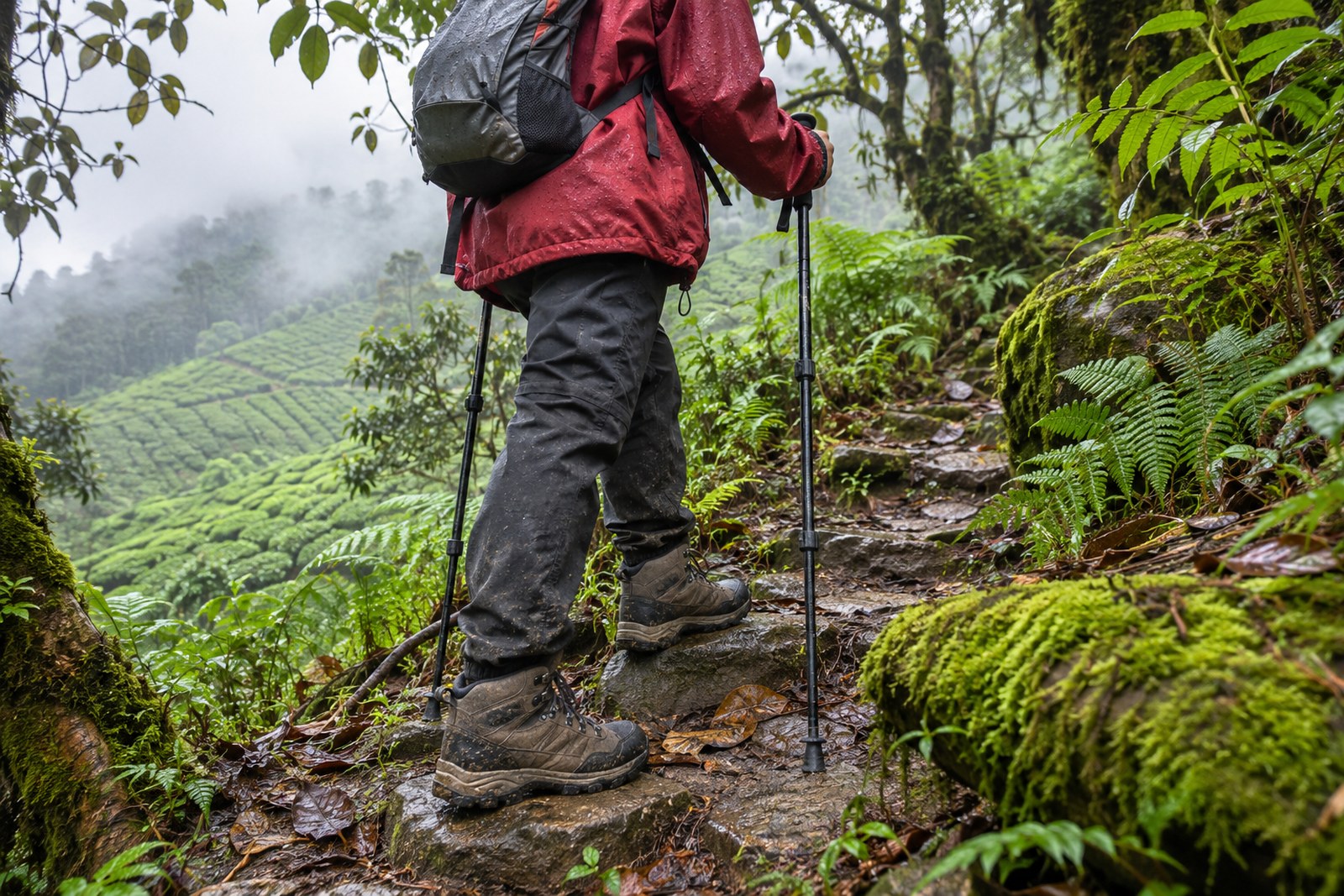
Before setting off, prepare simple but well-considered equipment. The aim is to remain self-sufficient in case of rain, delays or a low battery, without unnecessarily weighing down your bag.
Grippy footwear: smooth soles are poorly suited to roots and waterlogged ground.
Water and food: do not count on finding a shop in the middle of the route.
Waterproof jacket and warm layer: dampness quickly makes you cold when you stop.
Offline map and power bank: mobile coverage is not a reliable navigation aid.
Torch and small first-aid kit: a delay or minor injury can extend the outing.
Tell someone you trust your itinerary and expected return time. Also check our page on useful emergency contacts in Malaysia before leaving an area with a connection.
Set off early enough to allow for plenty of daylight and turn back if a section becomes dangerous or the path disappears. A successful hike is measured by the quality of the day and a safe return, not by the number of trails ticked off.
Tanah Rata, Brinchang, strawberry farms and markets: organising your stops
Where to stay in Cameron Highlands depending on your mode of transport?
Tanah Rata is generally the most convenient base without a car. You will find the bus terminal, restaurants, a wide range of accommodation and agencies offering trips to the main sites.
This central location makes meals and errands easier, but does not make every attraction accessible on foot. Check the hotel’s exact location: an address advertised in the town may be on a slope or away from the shops.
Brinchang is well suited to travellers wanting to be closer to the northern attractions and enjoy a lively setting. The downside is that traffic can sometimes be heavy, particularly when many visitors arrive for the weekend.
Accommodation on the outskirts sometimes offers more peace and quiet or space. It becomes less appealing if every dinner requires a difficult journey to arrange; with a car, check the parking and ease of access instead.
Our couple arriving by coach would therefore do well to stay in a central area, even if that means booking a motorised excursion. See our selection of areas and criteria for choosing where to stay in Cameron Highlands according to your travel pace.
Strawberry farms: a tasty break rather than a full day out
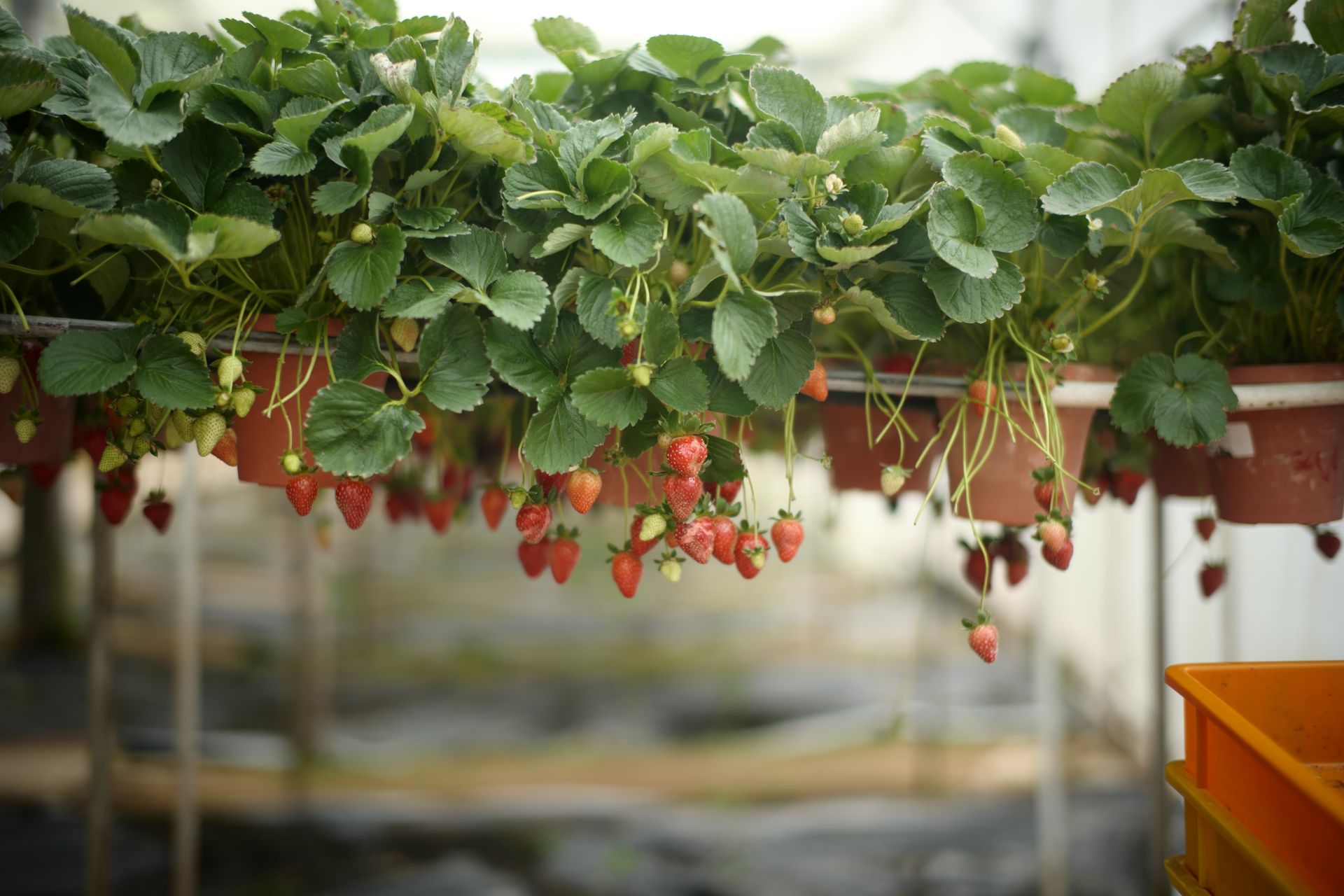
Strawberry growing benefits from the highland climate and plays an important role in the local tourist offering. Some farms allow you to pick your own fruit; others mainly offer a shop, café and introduction to the crops.
Pick-your-own activities depend on the actual availability of fruit. Before making a special trip, ask whether the activity is available, how it is charged and what conditions apply to children or groups.
Big Red Strawberry Farm is one of the well-known addresses in the Brinchang area. To compare the experiences and avoid confusing a farm visit with a simple dessert stop, see our page on strawberry farms in Cameron Highlands.
With children, the appeal is practical: observing the plant, understanding how the fruit grows and recognising which ones are ripe. For adults who have mainly come to hike, a short stop is often enough to discover this side of the region.
Jams, waffles and flavoured drinks extend the visit, but their presence does not guarantee that they are made entirely locally. Read the labels if you are looking for a souvenir produced on site rather than an item simply sold at the resort.
Markets and specialities: distinguishing between the different places
The Kea Farm area is known for its stalls selling vegetables, fruit, flowers and souvenirs. It combines fairly easily with a day in the north, provided you do not underestimate delays on the main road.
The night market often called the “Brinchang market” is associated with the Golden Hills area, between the two main towns. Its operating days may vary depending on the period: confirm them locally before organising your evening around this outing.
At the restaurant, steamboat is particularly suited to cool evenings: everyone cooks vegetables and other ingredients in a shared broth. Scones served with tea, meanwhile, are a reminder of the heritage of the former British hill stations.
Flower gardens and butterfly attractions remain optional. Before visiting an establishment displaying animals, find out about the species exhibited and their conditions of captivity rather than relying solely on promotional photographs.
To broaden your ideas for stops, this regional discovery itinerary complements the main visits. However, keep one simple rule in mind: choose the stops that genuinely interest you rather than filling every journey with another attraction.
To get online as soon as you land, a Malaysia eSIM can be installed before you leave, with no need to look for a local SIM card.
Access, climate and duration: practical advice for visiting Cameron Highlands
Travelling from Kuala Lumpur or Ipoh by bus and car
From Kuala Lumpur, coaches to Tanah Rata generally leave from the Terminal Bersepadu Selatan, or TBS. Check the terminal shown on your ticket, the operator and availability in the booking system accessible from the official TBS website.
From Ipoh, look for departures at Amanjaya terminal and confirm that a service matches your date. Also plan the journey between your accommodation and this terminal: it is not located in the historic centre.
By car from the capital, access via Tapah is a common route; from Ipoh, approaching via Simpang Pulai is often relevant. The final choice depends on your starting point, exact destination and the road conditions that day.
In both cases, allow for a winding road and avoid arranging a tight connection after the scheduled arrival. To drive with peace of mind, review the Malaysian traffic rules you need to know, particularly if you are new to driving on the left.
Once there, do not rely exclusively on Grab: driver availability may be limited. For a distant attraction, book a return trip, a half-day driver or an excursion rather than a simple one-way journey.
Cool climate and rain: what should you plan for?
The highlands are noticeably cooler than Kuala Lumpur, but it can rain all year round. Presenting several months as a guaranteed dry season would be misleading in this terrain, where conditions change quickly.
Check the forecasts and alerts from MET Malaysia before outdoor activities. Setting aside one morning for walking and keeping the afternoon more flexible is a sensible arrangement, without turning this preference into an absolute weather rule.
Bring a light warm layer, rain protection and shoes that dry easily. When choosing your room, reviews mentioning humidity, ventilation and hot water are often more useful than the presence of air conditioning.
How many days should you spend in Cameron Highlands?
Two nights offer a good compromise for a first visit; an extra night gives hikers more flexibility. The following table suggests an order for your visit, which can be reversed depending on opening times and the forecast.
Stage
Suggested itinerary
Key point to bear in mind
Arrival day
Settle in at Tanah Rata, go for a walk and arrange transport
Do not plan a demanding hike after the journey
First full day
BOH Sungei Palas, Mossy Forest and a food stop if the weather allows
Confirm admission, access arrangements and what the excursion includes
Second full day
A trail suited to your level, followed by a market or café
Keep an alternative option in case of rain
Additional day
Another hike, a different estate or a day kept in reserve
Avoid accumulating similar visits
For your budget, add together accommodation, meals, transfers, excursions and any admission fees. Prices displayed by operators still need to be confirmed for your dates: in particular, ask whether forest fees and hotel pick-up are included.
Practical questions about Cameron Highlands in Malaysia
Is Cameron Highlands worth visiting?
Yes, if you enjoy tea-growing landscapes, forest walks and cool surroundings. The destination is less suitable if you are looking for completely isolated nature: some areas are highly agricultural, built-up and busy. Choose weekdays and a few carefully selected visits to enjoy it more.
How do you get from Kuala Lumpur to Cameron Highlands?
The bus from TBS terminal to Tanah Rata is a practical option if you do not have a car. Book with an operator serving your date and check the ticket details. By car, the route via Tapah is commonly used; adapt your itinerary to road conditions and allow extra time for bends and traffic jams.
What is the most beautiful place in Malaysia?
There is no universal answer. Cameron Highlands appeal with their agricultural landscapes and misty forests; the Perhentian Islands attract beach lovers, while Gunung Mulu National Park appeals to enthusiasts of caves and tropical environments. The best choice mainly depends on the landscapes you want to discover and the time of year you travel.
How do you visit Cameron Highlands?
Choose a base in Tanah Rata if you do not have a car, or accommodation with parking if you are driving. Group BOH Sungei Palas and Mossy Forest into one outing, after confirming access arrangements, then devote another day to a hike and local produce. Allow two to three days, with some flexibility for the weather and an organised return from more remote sites.
🎟️
Book your activities in Cameron Highlands
Attraction tickets, guided plantation tours and excursions.
The famous BOH tea plantations offer lush landscapes stretching as far as the eye can see. Discover how tea is made, enjoy a freshly brewed cup and take in the breathtaking views of the surrounding hills. A must-see visit for understanding the economic and cultural importance of tea in Malaysia.
Cameron Highlands is renowned for its strawberry farms. Pick your own fruit, sample homemade jams or enjoy a freshly made strawberry tart. The farms also offer fresh vegetables and colourful flowers, perfect for a tasty, bucolic break.
Mount Brinchang, the second-highest peak in Cameron Highlands, offers spectacular views over the surrounding plantations and valleys. Accessible by car or on foot, it is the ideal place to admire the sunrise or sunset. The winding road leading to the summit is an adventure in itself.
Mossy Forest is a unique ecosystem where trees are covered in thick mosses and ferns. A walk along the wooden boardwalks immerses you in a mysterious, humid atmosphere that feels almost unreal. It is a perfect place for nature and photography enthusiasts.
The Cameron Highlands butterfly garden is home to hundreds of species of colourful butterflies, flying freely in a lush tropical environment. It is a magical experience for children and adults, ideal for a nature-filled and educational break in the mountains.
The markets of Cameron Highlands are packed with fresh produce: vegetables, fruit, flowers and spices. The markets in Brinchang and Tanah Rata are lively places where you can taste local specialities, buy souvenirs and discover the everyday life of local residents.
Everything you need to know about the cost of living in Malaysia: accommodation, food, transport and leisure for living or travelling with peace of mind.