Living in Malaysia in 2026: the complete expat guide
Moving to, living in, and adapting to Malaysia in 2026: formalities, cost of living, housing, and practical tips for a successful expat experience.
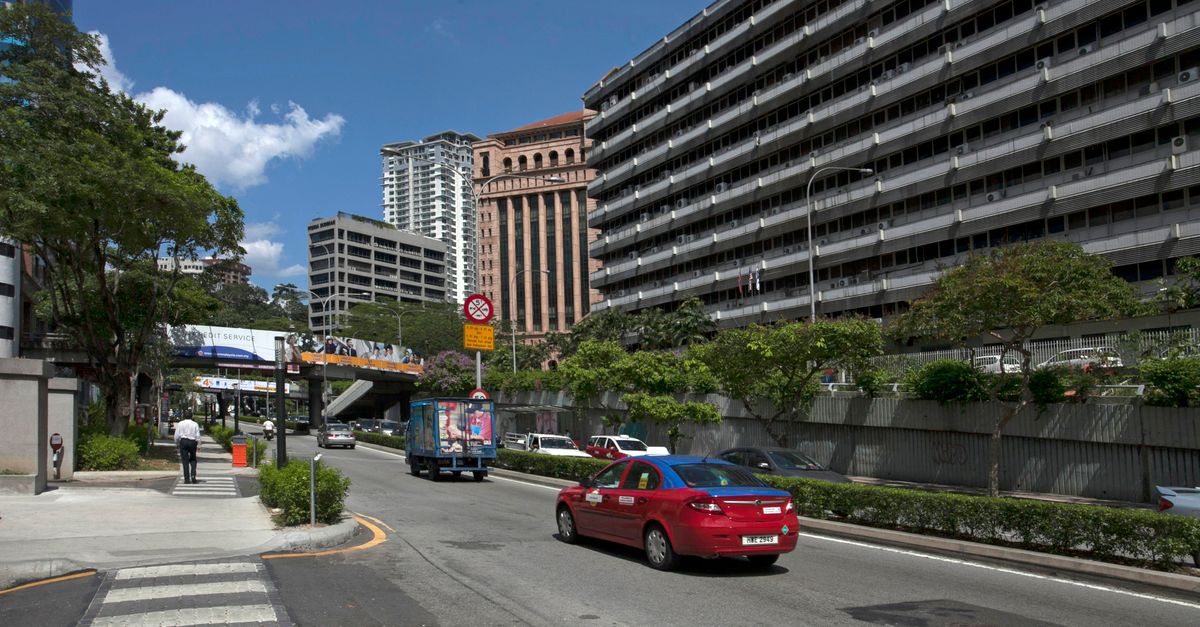
Malaysia, with its rich cultural diversity and extensive road network, presents unique aspects of its road rules that warrant particular attention. Beyond universal rules, driving on these roads—whether in Kuala Lumpur, Penang, or more remote areas—requires a good understanding of Malaysian road signs and local specifics. Familiarising yourself with these nuances is essential for ensuring safety, smooth traffic flow, and compliance with the law during your travels. With a system blending traditional signage and technological innovations, Malaysia enhances its traffic management efficiency while integrating drivers into an often unfamiliar road environment. This article highlights Malaysia’s specific road rules, including the
8 August 2026 · 15 min read
Malaysia’s geographical location and cultural diversity, along with its extensive road network, present unique driving rules that require careful attention. Beyond universal traffic regulations, driving on these roads—whether in Kuala Lumpur, Penang or in more remote regions, requires a solid grasp of Malaysian road signs and local specifics. Understanding these nuances is essential for ensuring safety, smooth travel, and compliance with the law. With a mix of traditional and technological signage, Malaysia enhances traffic management efficiency while integrating drivers into an often unfamiliar road environment. This article highlights Malaysia’s specific road rules, including the little-known driving rules, the Malaysia speed limits, as well as the essential road signs to know for smooth driving.
When it comes to navigating daily life in Malaysia, mastering the local system is essential. left-hand drive, a rule inherited from Malaysia’s British colonial history. While this quirk is mentioned in most standard guides, it can still catch out drivers used to driving on the right. Additionally, Malaysia’s road priority system, combined with clear but often unfamiliar signage, requires careful observation of road signs. The proliferation of electronic tolls, frequent use of the Touch ’n Go card for accessing highways or parking, and strict regulations on drink-driving add to this unique landscape. Familiarising yourself with these specific Malaysia road rules before getting behind the wheel helps avoid fines and unpleasant surprises.
Furthermore, in an era where digital tools greatly simplify travel, several local apps now allow users to compare road rules and signs across countries—a valuable resource for expats and travellers. A deep understanding of Malaysia’s specific traffic codes not only ensures compliance with local laws but also guarantees a smooth and secure driving experience. Exploring the country by car, from bustling cities to untouched natural landscapes, becomes a genuine pleasure for all, with the right information at hand.
Driving on the left in Malaysia is more than just a formal rule; it fundamentally changes the way you drive. Having the steering wheel on the right alters your usual reflexes, whether when overtaking, navigating roundabouts, or at intersections. Foreign drivers often need to adapt, or risk making mistakes that could lead to fines.
For example, overtaking is always done on the right-hand side, which is the opposite of many Western countries where this manoeuvre is performed on the left. This inversion also means that at roundabouts, you drive anti-clockwise and take exits to the left. This dynamic can still be confusing, especially in busy urban areas where traffic density complicates driving.
Malaysia’s road network spans over 98,000 km of bitumen roads, including around 1,800 km of modern highways. While these highways are generally well-maintained, traffic congestion in cities like Kuala Lumpur remains a daily challenge. This heavy traffic is partly due to rapid economic growth and urbanisation.
Motorcyclists are particularly numerous and unpredictable, weaving between lanes with disconcerting agility. For the unwary visitor, this demands constant vigilance. In rural areas, roads are quieter but sometimes narrow, winding, and poorly lit at night.
Malaysia’s traffic management also relies on modern solutions. The Touch ’n Go electronic toll system, for example, streamlines access to toll roads without long vehicle stops. The system is also used for parking in certain cities. Owning this rechargeable card is nearly essential for smooth travel.
In many tourist regions, such as Langkawi or the Cameron Highlands, secondary roads can vary in condition. Signage may be less frequent, so drivers adapt their approach with extra caution, particularly on routes where warning signs are not always in English.
Finally, driving in Malaysia also follows a strict system of traffic priorities. Beyond the usual Give Way signs (Malaysian Priority Signs), it is common to have to stop at numerous junctions where the priority is not always intuitive for foreigners. Understanding these rules avoids many potential conflicts on the road.
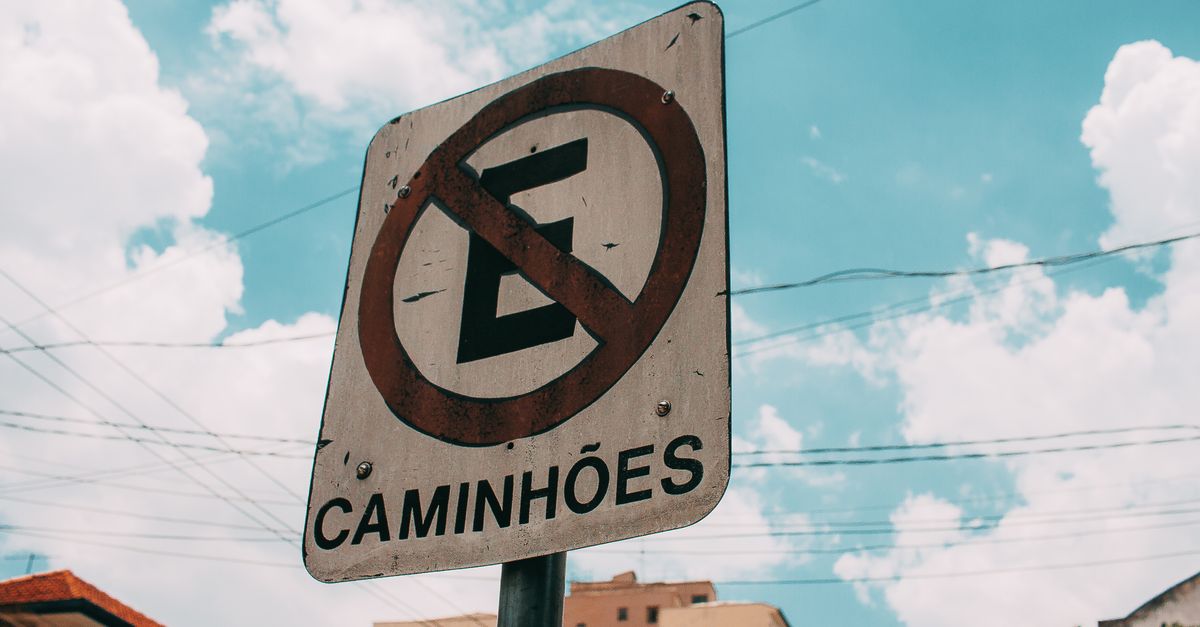
The Malaysian road signage includes several essential categories that must be understood. Among these, mandatory signs are often overlooked, yet they play a crucial role in Malaysian road safety. These signs provide clear directives that must not be ignored.
Among the mandatory signs, you’ll find:
As for prohibition signs, they are particularly numerous and cover several specific restrictions:
Understanding these signs not only avoids fines but also helps manage Malaysia’s traffic priorities in a context where roads are often busy. Signage primarily uses Malay, with some signs also in English. The goal is to quickly master simple but essential key terms:
Camera translation apps are particularly useful for quickly interpreting these signs, especially in rural areas where English is less common. Adhering to these specific Malaysian rules also ensures smoother driving and increased safety.
To prepare for an extended stay or relocation, it is advisable to study these elements in detail and compare them with other Southeast Asian countries. Those wishing to delve deeper into relocation procedures can also use specialised services, particularly for apartment rentals, to find suitable accommodation in the city, for example in Kuala Lumpur, thus facilitating mobility and transport access.
Malaysia’s speed limits are a key aspect of the country’s driving rules that must be strictly followed. The road infrastructure and type of road determine the applicable legal thresholds:
| Type of road | Speed limit in km/h | Features |
|---|---|---|
| Urban area | 50–60 km/h | Strict limit, frequent automated enforcement |
| National road | 90 km/h | Regular surveillance, multiple fixed and mobile radars |
| Highway | 110 km/h | Separate lanes by speed, with emphasis on overtaking lanes |
Furthermore, Malaysian law sets a very low legal blood alcohol limit at 0.05%. This threshold is close to absolute zero, particularly for novice or foreign drivers. Drink-driving is severely penalised, with heavy fines and the possibility of imprisonment in some cases. This measure aims to firmly reduce alcohol-related accidents.
Any driver caught drunk by local police may face immediate breathalyser testing. Failing this rule can result in imprisonment or deportation from the country. This is a critical point, and few tourists are aware of it.
Additionally, seat belt use is mandatory for front and rear passengers, enhancing safety for all occupants. Road safety has seen notable improvements in recent years, largely thanks to these strict measures.
Additionally, using a mobile phone while driving is prohibited unless a hands-free device is used. Systematic checks reinforce compliance with this rule, with violations resulting in substantial fines.
In Malaysia, a modern and efficient system manages tolls and parking. The highway network primarily uses electronic tolls via the rechargeable Touch ’n Go card. This card is almost essential to avoid extra fees and delays at toll booths. It is available at petrol stations, convenience stores, or even at the airport.
Toll fees vary depending on the distance travelled and vehicle type. For example, a car journey between Kuala Lumpur and Johor Bahru costs around 7.93 Malaysian ringgit (approximately €7.30), while shorter trips may range between 0.57 and 0.91 ringgit (€0.52 to €0.84).
For parking, road markings use a clear colour-coded system:
Parking fines for incorrect parking range from RM6.80 to RM33.98 (€6.26 to €31.26) depending on the city. Payments are usually made via parking meters, coins, or apps like Flexi Parking, widely used in major urban centres such as Kuala Lumpur.
To drive with confidence, it’s wise to:
Finally, for those planning an extended stay or relocation, the steps to rent an apartment in Kuala Lumpur facilitate mobility and access to the road network. This integrated approach, combining housing and mastery of road rules, helps avoid many complications.
Foreign drivers must hold a valid national driving licence accompanied by an international driving permit. Citizens of certain ASEAN countries may use only their national licence.
Malaysia has a low tolerance for alcohol, with a maximum legal limit of 0.05%. Penalties for violations are steep and can include imprisonment.
Payment is primarily made by Touch ’n Go card, rechargeable at petrol stations or convenience stores. The amount depends on the distance and vehicle type.
Most rental agencies require an International Driving Permit in addition to your national licence, particularly for foreigners.
It is essential to respect road markings and read signs carefully. Fines for incorrect parking are common and can be substantial.
Moving to, living in, and adapting to Malaysia in 2026: formalities, cost of living, housing, and practical tips for a successful expat experience.
How much does it cost to live in Malaysia? Housing, food, transport, and leisure: A detailed monthly budget for 2026, with real-life spending examples.
Discover all our guides to prepare for your expatriation to Malaysia: visas, accommodation, cost of living and daily life.
View all guides →