
Pulau Ketam: The Fishing Island Near Kuala Lumpur
Discover Pulau Ketam, the fishing island near Kuala Lumpur, with stilt houses, seafood, mangroves and a distinctive coastal village.
Published on
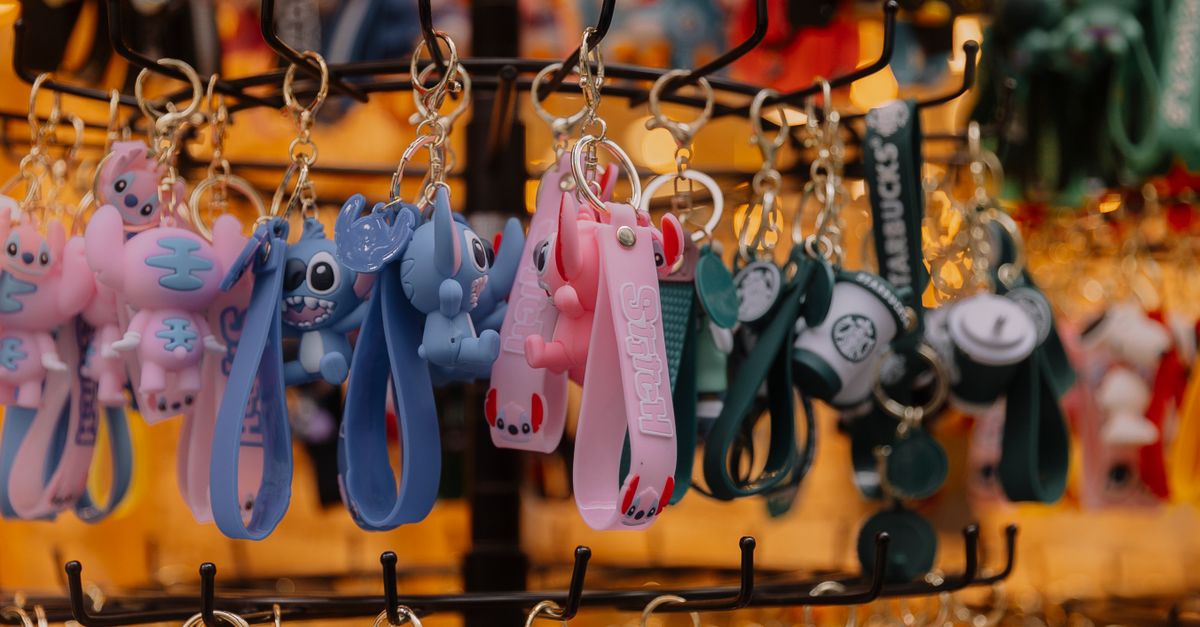
The best souvenirs from Malaysia are those that combine a material, a traditional craft or a flavour with a specific region: batik, songket, pewter, Ipoh white coffee or specialities from Borneo. Before filling your suitcase, however, check the nature of the materials and the customs rules that apply when returning to France, particularly for plant products, food and antiques. The easiest purchases to transport are generally textiles and small accessories, while pottery and sculptures require more care.
In brief

Batik is easy to recognise and transport. The technique involves covering certain parts of the fabric with wax before dyeing it; the patterns may be printed or painted by hand. In Malaysia, batik is commonly found as sarongs, pareos, clothing and accessories. A folded sarong takes up little space and can also be used as a decorative cloth. For more ideas, see our guide to traditional Malaysian arts and crafts.
Songket offers another expression of Malaysian textile craftsmanship. It is woven with gold or silver-coloured metallic threads that create often geometric patterns. Traditionally associated with ceremonial clothing and important occasions, it can be brought home as an accessory rather than as a full piece of fabric. Ask the seller for details about how it was made: the appearance of a fabric alone is not enough to confirm its weaving method or the material used for its threads.
For a more durable object, pewter is available as tableware, cups, frames and decorative pieces. A contemporary creation is generally easier to document than an object described as antique. Protect it from scratches and pressure, and keep the receipt showing the material and price paid.
The peninsula and Borneo offer distinct textile souvenirs. Pua kumbu, woven by the Iban people of Sarawak, is associated with motifs and stories specific to this community; a woven Penan bag or a miniature sape also evokes Sarawak’s traditions. In Sabah, jewellery decorated with pearls makes a compact gift. In every case, favour items whose seller can specify their origin and the nature of their materials. Markets and specialist shops are useful for comparing techniques and finishes and discovering other forms of Malaysian craftsmanship.
Woven natural fibres are a good option if you are looking for a useful gift. Bamboo, rattan, coconut fibres and pandanus leaves can be made into baskets, hats, bags and placemats. These objects are often lightweight, but structured designs may be crushed in a suitcase. Fill them with soft clothing and avoid placing heavy objects on top of them.
Labu sayong, traditional pottery from the state of Perak, is distinguished by its shape, inspired by a gourd. It can serve as a decorative piece or recall its former use as a water container. Its shape makes it distinctive, but also more delicate to transport than fabric: wrap it separately and secure it inside a rigid suitcase.
Kelantan kites, known as wau, are decorated with characteristic colours and patterns. Miniature versions are easier to bring home than large models. A wooden sculpture inspired by Orang Asli art or a miniature sape may also suit someone who enjoys decorative objects. Ask whether the item is a contemporary creation and find out the type of wood used. Avoid articles containing unidentified animal or plant materials.
When choosing souvenirs to bring home, start with how they will be used and the transport constraints: a textile suits a suitcase that is already full, while pottery requires suitable packaging. Markets in Kuala Lumpur and other cities bring together handicrafts and everyday products; consult the guide to local markets in Malaysia to find places where you can compare items. A considered purchase depends as much on provenance and quality as on the souvenir’s appearance.
Malaysian tea is an easy gift to share. The Boh brand is widely available in shops and offers several varieties, from traditional tea to flavoured blends. Tea bags are practical to transport; check that the packaging is intact and that the product is intended for consumption. To continue the experience, also try teh tarik, a tea and milk drink prepared by frothing the mixture. You can find out more about local flavours in our guide to BOH tea plantations.
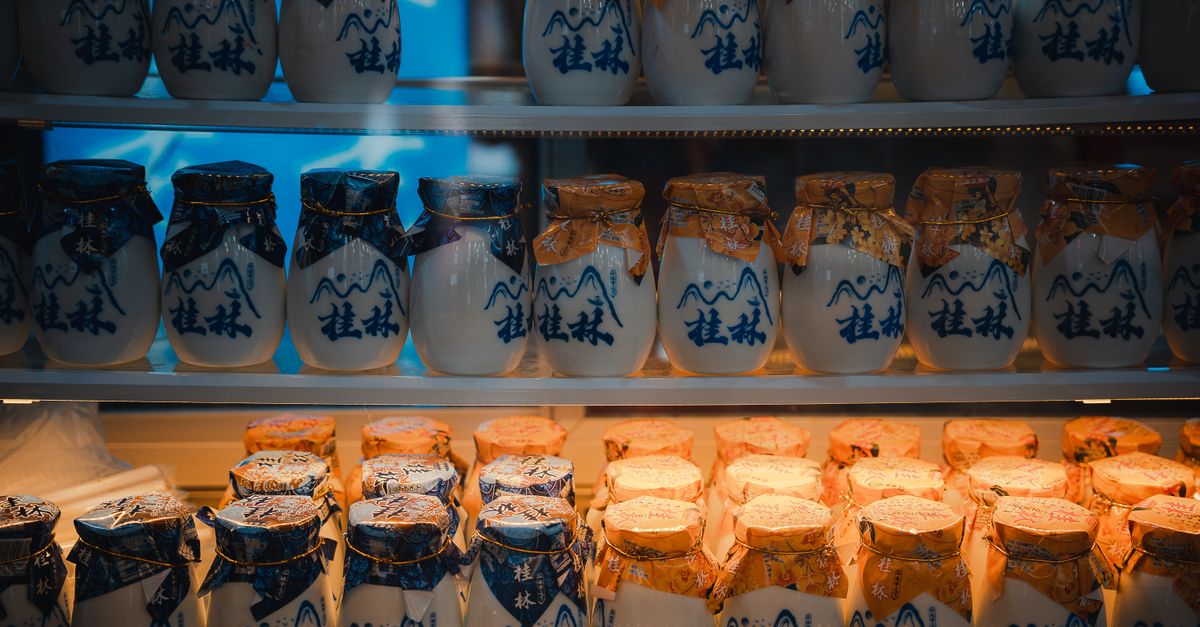
Ipoh white coffee is another speciality often sold in instant sachets. It reflects the tradition of kopitiam, the popular coffee shops where coffee is served with milk or cream. Ready-to-use preparations are convenient for introducing people in France to this flavour; read the ingredients list, particularly if the product contains milk.
Satay sauces, rendang curry pastes and other condiments make it possible to cook a Malaysian meal at home. Malaysian spices and prepared mixes are available in supermarkets as well as markets. Favour sealed, labelled products with an understandable ingredients list. For ideas for dishes and specialities, the guide to Malaysian cuisine can help you choose suitable ingredients for a meal to share.
Fresh durian is famous for its powerful smell, but it can be difficult to transport and may be subject to restrictions depending on the carrier or location. Durian sweets and chocolates are more practical alternatives, subject to the rules applying to food. For any product containing animal-derived ingredients, or any plant product subject to inspection, check the French requirements before buying rather than relying solely on the commercial packaging.
To get online as soon as you land, a Malaysia eSIM can be installed before you leave, with no need to look for a local SIM card.
Textiles can be rolled or folded without difficulty, but songket should be protected from snags. Keep jewellery in a closed box and place pewter between clothes to reduce rubbing. For pottery or a fragile miniature, keep the original packaging if it genuinely protects protruding parts and prevents the object from moving.
Rattan, bark and pandanus bags must be secured so that they do not lose their shape. As these are plant materials, ask the retailer for a precise description and keep the supporting documents. Phytosanitary rules may apply to certain plants and plant products; being allowed to carry an item on the aircraft does not guarantee that it will be admitted on arrival.
Airlines’ instructions on luggage, dimensions and transported objects may change. Check your carrier’s conditions before departure, and consult the AirAsia Malaysia baggage rules if you are travelling with that airline. Fragile or valuable purchases must be protected while complying with the limits applicable to cabin and checked baggage.
The duty-free allowance is a value limit for certain purchases brought back from a country outside the European Union. Its amount and the calculation method may depend on how you arrive and on the traveller’s situation, so check the current rules with French Customs before returning. Add up the value of your purchases and keep the receipts, especially for jewellery, pewter items or expensive textiles. You can also consult this guide to duty-free shopping in Malaysia before you leave.
Prohibited or regulated objects require particular care. Avoid souvenirs containing ivory, coral, tortoiseshell, feathers, skins or other materials derived from protected species. Certain plant materials may also be restricted. The seller should be able to identify the materials; if their origin remains unclear, it is better not to buy the item.
An antique or an object presented as part of the national heritage may be subject to specific export rules in Malaysia. A receipt does not replace a compulsory authorisation, nor does it serve as a CITES permit when such a permit is required. Favour clearly identified contemporary creations and check the travel formalities before departure using the guide to travelling to Malaysia. If you are unsure about importing a particular object, ask the relevant customs authorities for confirmation.
A batik sarong is lightweight, takes up little space and is less fragile than pottery. A small songket accessory or a piece of jewellery made with Sabah pearls is also easy to transport, provided it is protected from snags and knocks.
Sauces, curry pastes, tea and white coffee are practical choices when sold in sealed, clearly labelled packaging. Check the ingredients and the French rules applying to food, particularly when animal-derived ingredients are present.
Antique or heritage objects, articles containing protected species and certain plant products may be subject to restrictions or compulsory documentation. Ask for the exact composition and check the official rules before buying.
Yes. Receipts help establish the value and nature of souvenirs when calculating the duty-free allowance. However, they do not replace a heritage export authorisation, a CITES permit or a certificate required for regulated materials.
To book tours and activities in Malaysia ahead, see the options on Klook.
Discover Pulau Ketam, the fishing island near Kuala Lumpur, with stilt houses, seafood, mangroves and a distinctive coastal village.

See fireflies along the Selangor River and silvered leaf monkeys at Bukit Melawati in Kuala Selangor, with practical wildlife tips.

Compare the ETS train and bus from Kuala Lumpur to Ipoh, including journey times, transport options and practical tips for choosing.

Explore Danum Valley, Borneo’s ancient rainforest, with its remarkable biodiversity, orangutans, guided walks, access details and practical advice.
Discover Fraser’s Hill, a peaceful mountain retreat near Kuala Lumpur, with tropical forest, cool weather, hiking trails and birdwatching.

Discover what to do in Kota Bharu and how to reach the Perhentian Islands, with cultural visits, transport options and practical travel tips.

Discover S-MM2H, Sarawak’s long-stay programme: eligibility, benefits, application steps and checks before living in Malaysia.
Discover Thean Hou Temple in Kuala Lumpur, with practical advice on visiting, access, transport, opening hours and respectful behaviour.
Scroll to see more articles →