
Pulau Ketam: The Fishing Island Near Kuala Lumpur
Discover Pulau Ketam, the fishing island near Kuala Lumpur, with stilt houses, seafood, mangroves and a distinctive coastal village.
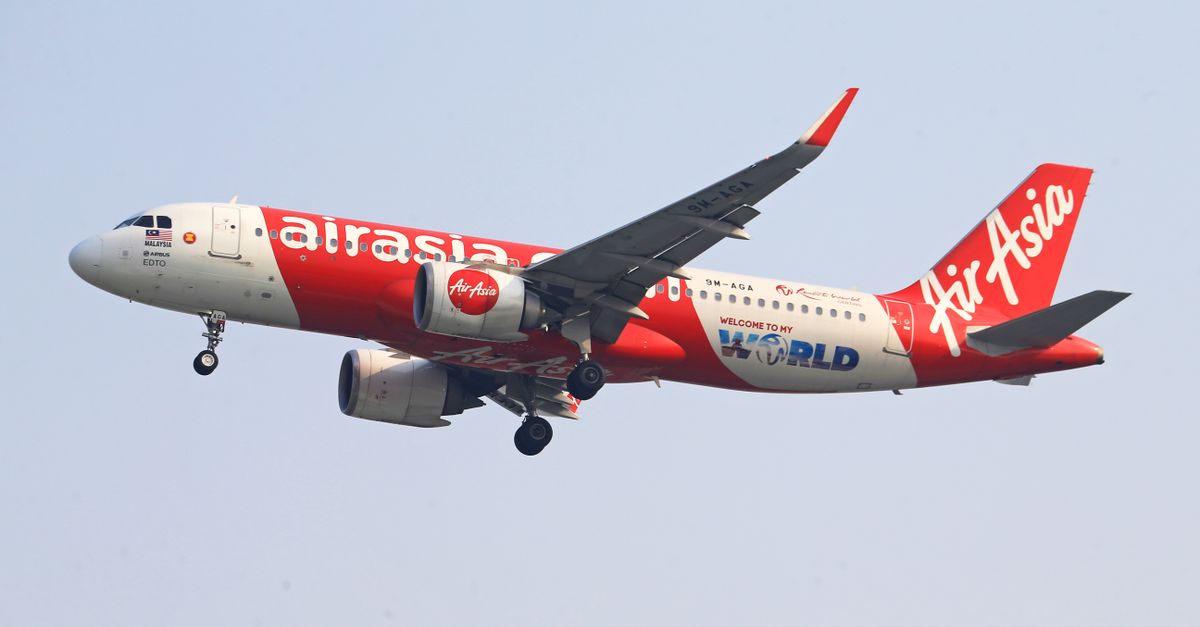
Published on
When travelling with AirAsia in Malaysia, check the allowance attached to your booking, add any required baggage before departure and check in online as soon as your flight allows it. The basic fare includes cabin baggage, but checked baggage is generally an additional service, unless it is included in the fare bundle selected. Check-in does not replace bag drop or any document checks that may be required at the airport.
The key point is to distinguish what your ticket includes from what you still need to buy or do. Permitted dimensions, combined weight, additional options and boarding arrangements should be checked with AirAsia for the specific flight: these conditions may change and may differ depending on the operating carrier or itinerary.
In brief

The basic ticket allows you to travel with personal belongings in the cabin, subject to the conditions of your booking. A compact bag is not necessarily compliant: its dimensions, weight and combination with another item must match the applicable allowance.
Before packing, open the trip details in your booking area. Identify the company actually operating the flight, then check the currently applicable limits with AirAsia: general commercial information does not replace the conditions of the flight you have purchased.
The case intended for the overhead compartment and the small personal bag do not serve the same purpose. The latter must remain compact enough for the space provided by the airline; a large hiking backpack does not become an accessory simply because it can be carried on your shoulders.
Measure your equipment when fully packed, including any parts that stick out. Wheels, handles and bulging pockets can make a case incompatible with the sizing frame, even when the model’s advertised dimensions appear suitable.
A soft bag may sometimes be easier to stow, but this does not remove the need to respect the limits. A compressible bag becomes difficult to adjust when it contains rigid shoes, a bulky washbag or electronic equipment in a protective case.
Weigh all the items covered by the cabin allowance, not just the main case. A laptop, charger, camera and power bank can represent a significant part of the total, even in a bag that does not look particularly large.
Your home check should reproduce your departure configuration. Add documents, accessories and items you plan to take at the last minute; weighing the bag before adding them gives a misleading impression of the remaining allowance.
Also plan for the return journey. Packaged food, clothes or souvenirs can change the initial balance; if you plan to bring Malaysian products home, compare the cost of a suitable option before discovering that you are over the limit at the airport.
For an urban trip, easy-to-wash clothes and versatile shoes reduce bulk. The guide to Malaysia’s climate helps you choose clothing suited to heat, showers and air-conditioned spaces rather than packing too many seldom-used items.
A trip involving hiking, beaches and professional meetings creates more constraints. In that case, paying for a suitable solution may be more logical than artificially distributing the contents between several items that remain subject to the same restrictions overall.
If an enhanced cabin option appears during the purchase, read exactly what it changes. Priority boarding, fast-track access and increased capacity are not necessarily equivalent services; the name alone does not establish what you may take on board.
Finally, keep your documents and essential items accessible without having to empty the whole bag. Good preparation means respecting the dimensions, weight and transport conditions at the same time, then deciding whether checked baggage would be preferable.
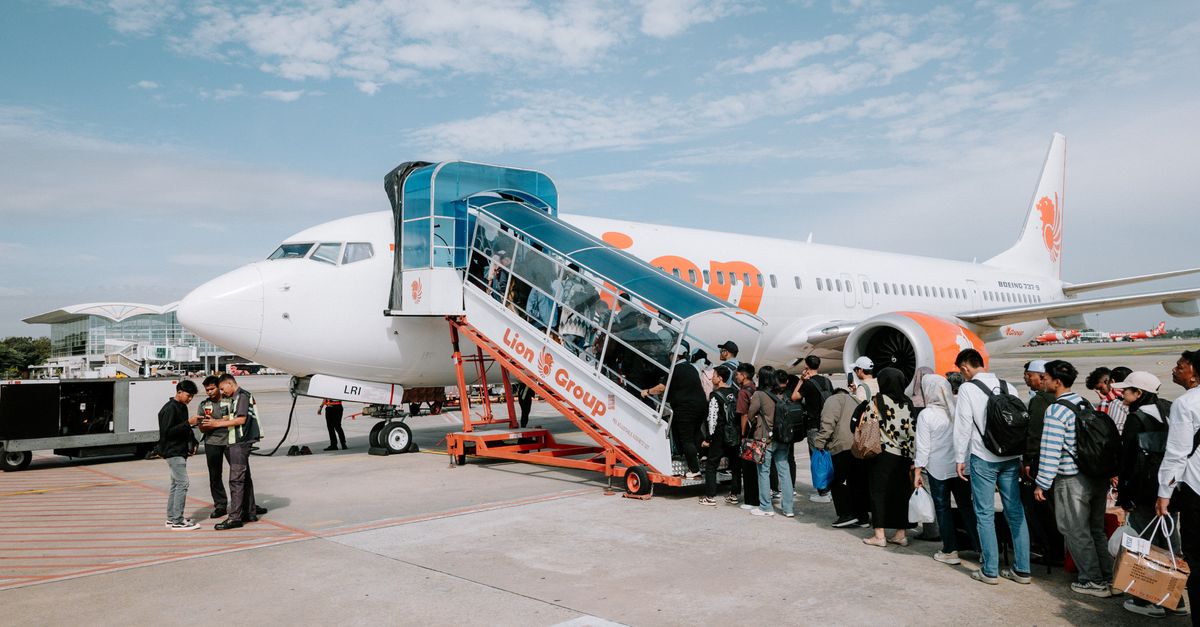
Checked baggage should be considered separately from cabin baggage. With a basic fare, adding it is normally chargeable; where it is included in a bundle of services, the exact allowance should appear in your booking summary.
Do not treat the name of a fare bundle as sufficient proof. Services may depend on the route and operating carrier: look for an explicit statement of the purchased weight, the passenger concerned and the segments to which the service applies.
If you only want to check one case, compare the standalone option with a bundle offering several benefits. A meal or seat selection only saves money if you genuinely intended to purchase those services.
Conversely, a bundle can simplify the booking when all its elements are useful to you. Compare the final amount and associated conditions rather than relying on the impression of a discount created by the commercial presentation.
| Option considered | Main benefit | Essential check |
|---|---|---|
| Basic fare without additions | Travelling light with items allowed in the cabin | All bags are compatible with the included allowance |
| Checked baggage added separately | Buying only the transport you need | Selected allowance and application to each journey |
| Bundle including a case | Combining several useful services | Exact contents and comparison of the total price |
| Special equipment | Preparing to transport an item outside the usual format | Acceptance conditions, packaging and any separate charge |
AirAsia states that purchasing checked baggage when booking offers the most favourable fare. The amount nevertheless depends on the trip and option selected: check the current price directly with the airline rather than applying a universal supplement to every destination.
If your ticket has already been purchased, check the options for adding baggage in the booking-management area. Compare what is offered before departure with your actual needs and keep the confirmation after payment, particularly if the change is made separately from the original purchase.
On a return journey, examine each direction separately. You may need more capacity on the way back, but an option selected for the first journey should never be assumed to apply automatically to the second.
To set your budget, add air transport, optional services and ground transfers. The guide to the cost of living in Malaysia helps place these expenses within the overall trip without confusing the headline fare with the real cost of travelling.
Buying an allowance does not mean that every item or every distribution of weight will be accepted. Check with AirAsia the limits applying to each piece, special items and any possibility of sharing an allowance between travellers on the same booking.
For diving equipment, check the specific conditions before choosing your allowance. The guide to diving in Malaysia helps you prepare for the activity, while acceptance of equipment on board is governed by the carrier and applicable safety rules.
Label your case and remove old routing tags. An option that has been purchased correctly must also be clearly assigned and compatible with the contents being transported; this check makes the subsequent check-in process easier.
Online check-in confirms that you are presenting yourself for the journey, but it does not replace every airport formality. Depending on the route and required documents, a counter check may still be necessary even if you have already obtained a boarding pass.
Check the procedures and opening window directly with AirAsia for your flight. Times may change, so do not rely on an old screenshot or a process used during an earlier trip.
Gather your booking reference, the identity document used for travel and the information requested for the destination. Check the spelling of the name: check-in is not a way to overcome a discrepancy between the ticket and passport.
If a correction appears necessary, use the airline’s prescribed procedure before continuing. A name change, document change and simple typing error may not be subject to the same conditions.
Your boarding pass must be presentable in the format accepted at departure. Check with AirAsia and the airport whether a mobile version is suitable for your route or whether a printed version or counter validation is required.
Do not confuse a booking confirmation with the document granting access to the boarding process. A summary email confirms the purchase of the journey, but it does not necessarily serve the same purpose as the document issued after check-in has been validated.
Download your documents before leaving your accommodation. This avoids relying on mobile reception, a public connection or logging back into your account when you need to present the information quickly to staff.
If the tool refuses to complete the process, read the message shown rather than repeating identical attempts. It may concern a document that needs checking or a step that must be completed at the airport; contact the airline to find out what to do.
With a case to check, you must still go to the designated bag-drop point and meet its closing time. Without checked baggage, whether you need to visit the counter depends in particular on the instructions received and the document checks required for the journey.
Entry formalities are separate from ticket validation. For French passport holders, consult our guide to visas and formalities in Malaysia, then check the current requirements with the relevant Malaysian authorities and those of the next country. Rules differ by nationality and should be checked with the official authority.
Plan your arrival around every necessary step, not just the departure time. The journey to the terminal, waiting at bag drop, security checks and the walk to the gate all add up.
Completing a digital procedure does not mean that the airport process is finished. Your next check is the exact place where you need to report and, in the case of a connection, whether your journey is genuinely continuous.
Between check-out and your train, luggage storage can be booked online in the main cities.
When travelling to an airport in Malaysia, start with the information on your booking: airport name, airport code and terminal where specified. The city name alone is not enough to organise the transfer correctly, particularly when several facilities serve the same urban area.
Check these details again before departure with AirAsia and the airport operator. A habit from a previous journey does not confirm the arrangements for the next flight, especially if the itinerary or operating airline changes.
For a road journey, enter the exact terminal in the booking app or tell the driver. Check the displayed destination before setting off: a generic arrival point may leave you far from the counter you need.
Our comparison of Grab and traditional taxis in Malaysia helps you choose a suitable transfer. Check the fare when booking and make sure the vehicle has enough capacity for both passengers and bags.
Public transport may work when your accommodation is well connected and services run at the required time. Check current timetables with the operator and allow for the final journey between the arrival station and the check-in area.
The guide to transport in Malaysia helps compare the options. The best choice is not always the one with the cheapest ticket: changes, walking and handling may matter more when travelling with bulky equipment.
A connection must be identified as such in the travel conditions. The fact that several flights appear in one email or were purchased on the same platform does not by itself prove that a protected transfer is included.
AirAsia sells connecting itineraries, but the applicable arrangements must be checked for the relevant booking. Ask in particular whether bags are carried through to the final destination and which procedures remain during the stopover. For broader route planning, see our guide to domestic flights in Malaysia.
With separate tickets, plan your journey as a succession of distinct trips. You may need to collect checked belongings, complete entry formalities and then reach a new counter before it closes.
For a journey continuing to Indonesia, the guide to flights between Kuala Lumpur and Bali helps place this stage within your itinerary. The conditions of the international flight should not be inferred from a rule applying to a domestic Indonesian journey.
At bag drop, check the destination shown on the baggage receipt and ask for an explanation if it does not match what you expected. Keep the receipt until collection: it will help identify the item if there is a problem.
Also check whether a terminal change or another security check is required during the connection. A bag transferred automatically does not necessarily mean that the traveller has no personal procedures to complete.
Continuity of transport must be confirmed for both passengers and their belongings. Once this is clear, you can adapt your arrangements to the trip’s particular needs, including travelling with a child or sensitive equipment.
The best travel advice is to resolve constraints before departure rather than at the checkpoint. Families, medical treatment, electronic devices and fragile equipment require different checks; extra capacity does not automatically resolve acceptance issues.
Prepare a list based on what you are actually carrying and consult AirAsia’s instructions for the relevant items. For airport-security restrictions, also check the guidance from the departure airport and any airport where another security check is scheduled.
Do not assume that a baby receives the same allowance as a passenger with their own seat. Check the conditions of the baby’s ticket and distinguish personal belongings from childcare equipment that may be accepted without an additional charge.
A pushchair and car seat may be subject to special procedures. Ask AirAsia whether your equipment is accepted, how it should be prepared and where it will be returned, as counter drop-off and collection near the aircraft require different arrangements.
Also find out where it will be returned on arrival. If the pushchair enters the bulky-items process, you must be able to move with the child between the aircraft, checks and collection area.
Keep the items needed during the journey in an accessible container while respecting the permitted allowance. The carriage of baby food or specific products should be checked against security requirements rather than assuming a general exemption.
Batteries and electronic devices require separate attention from the weight of your cases. Check with the airline the conditions for power banks, spare batteries and equipment containing an integrated battery.
Do not automatically move an item into checked baggage to solve a cabin-baggage excess. Its permitted location depends on its nature; check the safety rules before rearranging your contents, particularly for lithium batteries.
For essential medication, prepare the relevant supporting documents and examine both the transport conditions and the entry requirements of the country. The competent authorities may impose specific requirements on certain substances, independently of the carrier’s permission.
Liquids, aerosols and gels are also subject to restrictions that must be checked for your route. Keep products in packaging that allows inspection and do not assume that acceptance at another airport guarantees acceptance here.
If your baggage does not appear, first check the announced carousel and the area for oversized items. Then contact the relevant service before leaving the baggage-claim area, with your receipt and travel documents.
In the event of visible damage, take photographs and ask how to report it. Keep the required supporting documents and check the claim deadlines directly with AirAsia; a report made at the airport and a compensation claim may be separate procedures.
To prevent difficulties, photograph the outside of the case before handing it over and keep the references for purchased services. These details help identify and describe the problem but do not replace documents required by the department handling the case.
The weight purchased, acceptance of items and proof that they were taken into care are separate questions. Treating them separately makes departure easier and helps you respond more effectively if an incident occurs.
Checked baggage is generally an extra with the basic fare. Some bundles include an allowance: check that it is explicitly shown in your booking summary and applies to each journey.
Check the current limits with AirAsia for the operating carrier and option booked. Check the dimensions of each item and the applicable combined weight; a priority option does not necessarily mean a larger allowance.
Yes, if you need to drop a bag or a document check is required. Without checked baggage, follow the instructions accompanying your boarding pass and check that its format is accepted at the departure airport.
This depends on the itinerary and service purchased. Confirm the final destination at bag drop and check the tag issued. With separate tickets, allow for possible collection followed by a new check-in.
Compare the options when booking: AirAsia states that checked baggage has its most favourable fare then. If the ticket has already been purchased, check the options and current prices in your booking-management area before departure.
To book tours and activities in Malaysia ahead, see the options on Klook.
Discover Pulau Ketam, the fishing island near Kuala Lumpur, with stilt houses, seafood, mangroves and a distinctive coastal village.

See fireflies along the Selangor River and silvered leaf monkeys at Bukit Melawati in Kuala Selangor, with practical wildlife tips.
Compare the ETS train and bus from Kuala Lumpur to Ipoh, including journey times, transport options and practical tips for choosing.

Explore Danum Valley, Borneo’s ancient rainforest, with its remarkable biodiversity, orangutans, guided walks, access details and practical advice.

Discover Fraser’s Hill, a peaceful mountain retreat near Kuala Lumpur, with tropical forest, cool weather, hiking trails and birdwatching.

Discover what to do in Kota Bharu and how to reach the Perhentian Islands, with cultural visits, transport options and practical travel tips.

Discover S-MM2H, Sarawak’s long-stay programme: eligibility, benefits, application steps and checks before living in Malaysia.
Discover Thean Hou Temple in Kuala Lumpur, with practical advice on visiting, access, transport, opening hours and respectful behaviour.
Scroll to see more articles →