
Living in Malaysia in 2026: the complete expat guide
Moving to, living in, and adapting to Malaysia in 2026: formalities, cost of living, housing, and practical tips for a successful expat experience.
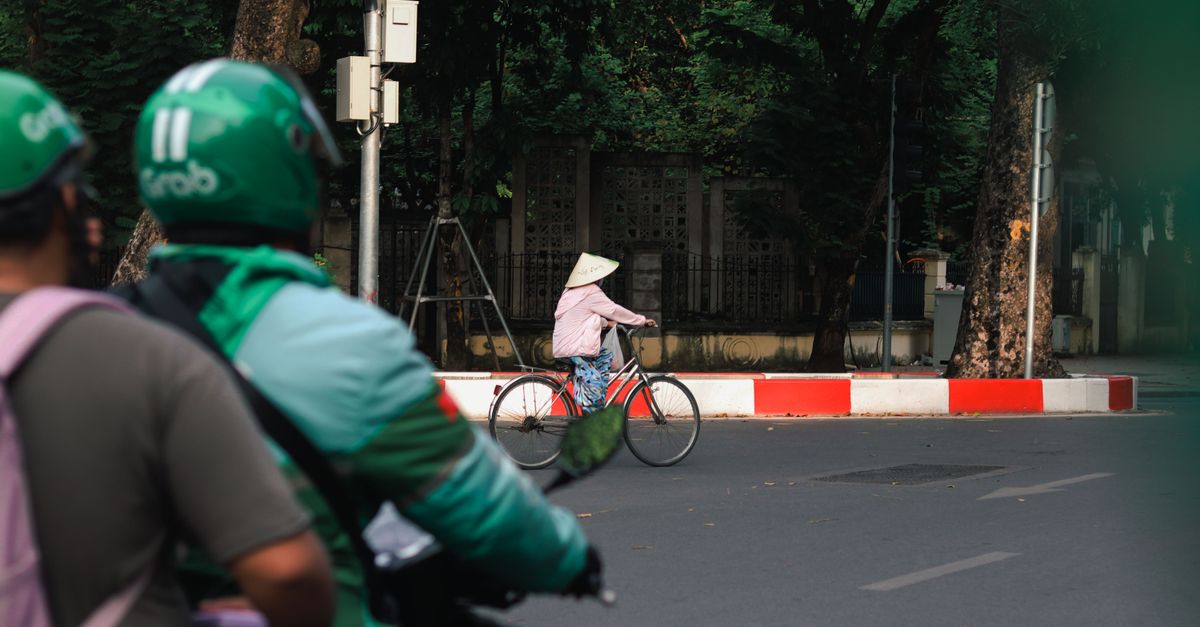
Malaysia’s ride-hailing market continues to reshape urban mobility, highlighting fierce competition between digital platforms like Grab Malaysia and traditional
8 August 2026 · 16 min read
Malaysia’s ride-hailing market continues to reshape urban mobility, highlighting fierce competition between digital platforms like Grab Malaysia and traditional taxis. This dynamic sector embodies a profound evolution in mobility services, where technological innovation, user experience, and Malaysia’s ride-hailing regulations play a decisive role. The country’s major cities are seeing their urban transport networks reconfigured, with implications for all stakeholders and users.
In this quest for efficiency, comparing ride-hailing (VTC) services with taxis highlights key factors such as pricing (taxis vs VTC), speed of access, safety, and vehicle quality. Traditional taxis still hold their place in many areas, but their model is challenged by Grab’s flexible, often more affordable and modern alternative. Meanwhile, Malaysian authorities are shaping a precise VTC regulatory framework to ensure a secure and fair service.
Through this article, we examine Grab’s rise to prominence, its technological innovations, financial integrations, and the efforts of conventional taxis to adapt to a rapidly evolving market. This analysis is based on recent data, local examples, and concrete insights into Malaysia’s transport competition, enriching our understanding of urban mobility in Malaysia in 2026.
Since its establishment in Malaysia, Grab Malaysia has revolutionised the country’s urban transport sector through an integrated and efficient platform. This transformation relies on advanced technological infrastructure tailored to Malaysia’s specific realities.
Grab’s cloud architecture supports millions of simultaneous requests thanks to multiple geographically distributed data centres. This ensures maximum availability even during traffic peaks, which is crucial in cities like Kuala Lumpur or Petaling Jaya, where mobility experiences significant daily fluctuations. The platform effectively meets evolving demand while minimising service interruptions.
The mobile app stands out with an interface designed for the Malaysian market and offers dynamic mapping based on Google Maps. GPS technology has been optimised to address challenges in urban areas, particularly in skyscrapers where satellite signals are often disrupted. By combining GPS, cellular networks, and WiFi, Grab ensures location accuracy within a 3-metre margin. This improves pickup precision and enhances the Grab user experience, a key factor in customer loyalty.
Additionally, the driver-passenger matching algorithm represents a major innovation. It leverages dozens of real-time variables, such as distance, anticipated traffic, and even language preferences in a multilingual country. This AI significantly reduces wait times, averaging 4.2 minutes—35% less than traditional Malaysian taxis. This efficiency boost encourages the adoption of modern mobility services by locals.
In terms of security, Grab has built a reliable ecosystem around electronic payments. Integration with banks like Maybank and widespread adoption of Touch ‘n Go eWallet simplify transactions for users while maintaining an exceptionally low fraud rate of **0.02%**. Transactions use SSL/TLS cryptographic architecture with a **256-bit** key, reassuring both riders and drivers about financial data protection.
Finally, the bilateral rating system serves as an essential quality control tool. By evaluating both drivers and passengers, Grab maintains high service standards. Drivers have an average rating of 4.7 stars, reflecting a strong local service culture. This mechanism contributes to the sustainability and trust in Malaysia’s thriving ride-hailing market.
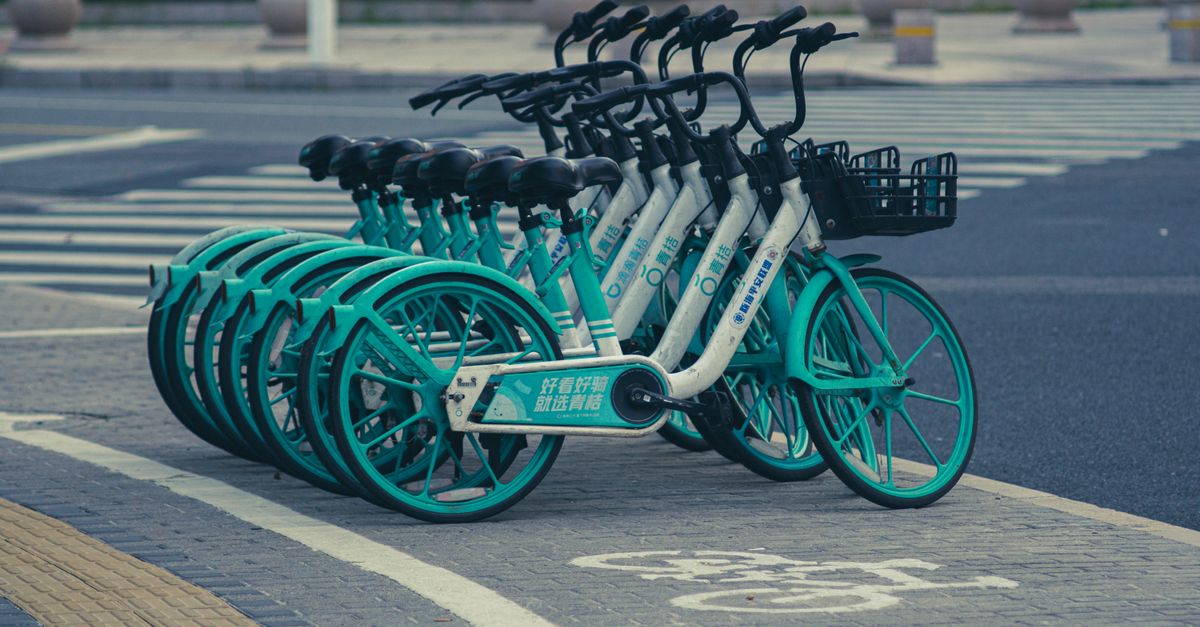
When comparing ride-hailing services and taxis, Grab clearly holds the advantage, especially for daily urban trips. Grab Malaysia’s pricing structure offers flexible service tiers based on comfort and user needs.
The GrabCar Economy service is the most affordable option. It charges a base fare of RM 3.00 for the first two kilometres, with an additional RM 0.45 per extra kilometre and RM 0.25 per minute of waiting time. This pricing structure makes a typical 10-kilometre trip from KLCC to Mid Valley Megamall cost around RM 12 to RM 15, depending on traffic conditions.
Conversely, traditional Malaysian taxis typically charge a higher base fare of around RM 4.00, with a per-kilometre rate of approximately RM 0.50. However, their pricing is less transparent and often requires prior negotiation, especially for foreign tourists. This lack of standardisation harms the user experience and limits their competitiveness.
For users seeking comfort, Grab offers Premium and Plus services. GrabCar Premium includes high-end vehicles (BMW, Mercedes-Benz, Audi) with an additional cost of 30% to 50% compared to the Economy category. GrabCar Plus strikes a balance between price and comfort with models like the Honda Civic or Toyota Camry, priced between 15% and 25% more than Economy.
Another key aspect is dynamic pricing, or ‘surge pricing’. During peak hours – typically between 7 AM and 9 AM and 5 PM to 7 PM – Grab fares can increase by a factor of 1.2 to 3. This approach encourages more drivers to meet higher demand while giving users the choice between speed and cost savings.
Additional charges also apply for trips using the PLUS toll highways and for parking in shopping malls. However, Grab has negotiated preferential rates with some malls for its drivers, thereby limiting the cost passed on.
| Service | Base rate (RM) | Price/km (RM) | Covered areas |
|---|---|---|---|
| Grab Economy | 3,00 | 0,45 | All urban areas |
| Grab Premium | 5,00 | 0,65 | Metropolitan zones |
| Traditional taxi | 4,00 | 0,50 | Variable depending on availability |
A comparative analysis of fares highlights Grab’s greater transparency, as well as an average 20% reduction in costs compared to traditional taxis. This price control significantly contributes to the growing popularity of digital mobility services in Malaysia.
In a context of rapid growth in ride-hailing transport, Malaysia has strengthened its VTC Malaysia regulations to balance economic openness with public protection. This regulation is essential for passenger trust and driver compliance.
Since 2023, the Land Public Transport Commission, now known as Agensi Pengangkutan Awam Darat (APAD), oversees the issuance of e-hailing licences. These licences are mandatory for drivers operating on the Grab platform. They ensure that drivers meet a set of criteria, including a minimum age of 21, holding a valid licence for at least 2 years, and a full criminal background check conducted by the Royal Malaysia Police (PDRM).
Another key requirement is mandatory commercial insurance covering paying passengers. This protects both users and drivers in case of an accident, a major step in formalising Malaysia’s ride-hailing market.
The integration process for Grab drivers does not end with administrative checks. A mandatory 8-hour training session on road safety, customer service quality, and optimal app usage ensures a common foundation for all driver partners. Training is available in Malay, English, and Chinese, reinforcing inclusivity in a multilingual country. Additionally, drivers receive support for their first 50 rides, easing their adaptation to job requirements.
These measures have attracted over 400,000 Grab driver partners to the network, making the sector a key player in Malaysia’s gig economy. Meanwhile, traditional taxis are encouraged to modernise to stay competitive, fostering positive dynamics in Malaysia’s transport sector.
Grab’s expansion in Malaysia follows a phased strategy, initially targeting high-density urban areas before extending to secondary cities. The Greater Kuala Lumpur area, with its high driver density (450 vehicles/km² in the Golden Triangle), benefits from full coverage and round-the-clock service.
The seamless integration of Grab with public transport networks (LRT, MRT, KTM Komuter) offers users a smooth multimodal solution. This interoperability is particularly useful for commuters and students in the capital, where mobility is a key challenge.
Beyond major cities, Penang, Johor Bahru, and Kota Kinabalu represent rapidly growing regional markets. Each area presents unique challenges: adapting to historic alleys and tourist flows in Penang, managing cross-border trips to Singapore in Johor Bahru, and island logistics with airport connectivity in Kota Kinabalu.
By contrast, rural areas and island territories remain challenging for Grab. Low user density, poor internet infrastructure, and local economic profiles limit profitability. For example, *kampungs* and islands like Langkawi operate with restricted services—often seasonal—despite efforts to integrate residents through pilot community transport programmes.
This disparity in access reflects a cultural and economic duality that pushes Grab and authorities to develop targeted solutions—combining digital training and adapted infrastructure—to open Malaysia’s ride-hailing market to more isolated communities.
| Services ▲▼ | Market share (%) ▲▼ | Key strengths | Benefits |
|---|
No services match your criteria.
Malaysia’s traditional taxi sector faces growing competition from ride-hailing platforms, particularly Grab. Despite a significant drop in market share, these taxis remain a key part of Malaysia’s urban transport landscape. Their main strength lies in their deep knowledge of routes, neighbourhoods, and local habits, offering a personalised service that appeals to certain customer segments.
To stay relevant, traditional taxis are deploying new strategies, including creating mobile apps like MyCar or EzCab, which bring together independent drivers under a digital banner. This modernisation allows them to compete on technology while preserving the human touch that defines their profession.
The negotiation of fares, a feature of traditional Malaysian taxis, remains an advantage for some users who can handle the local language and customs, but it becomes a hurdle for tourists and expats, who are more drawn to Grab’s transparent pricing. Nevertheless, this flexibility allows taxis to retain a loyal customer base in city centres and tourist areas.
Finally, the diversification of services, including electric motorbike taxis, as well as initiatives to integrate people with reduced mobility, reflects a commitment to adapting to new consumption and sustainable mobility trends.
Transport competition in Malaysia remains dynamic and diverse, driving urban service renewal and pushing all players to continuously innovate.
Grab offers transparent pricing, mobile app bookings, reduced wait times, and varied comfort options, while traditional taxis often negotiate fares and have in-depth local knowledge.
It imposes strict selection criteria, an e-hailing licence, commercial insurance, and mandatory training, ensuring service quality and safety.
Currently, Grab focuses mainly on urban and secondary areas. Rural areas remain poorly covered due to low demand and infrastructure constraints, but pilot projects exist.
Grab accepts international bank cards, Touch ‘n Go eWallet, GrabPay, and cash payments, offering flexibility suited to diverse users.
With advanced AES-256 encryption, biometric authentication, and an anti-fraud monitoring system with a fraud rate below 0.01%, payments are highly secure.
Moving to, living in, and adapting to Malaysia in 2026: formalities, cost of living, housing, and practical tips for a successful expat experience.

How much does it cost to live in Malaysia? Housing, food, transport, and leisure: A detailed monthly budget for 2026, with real-life spending examples.
Discover all our guides to prepare for your expatriation to Malaysia: visas, accommodation, cost of living and daily life.
View all guides →