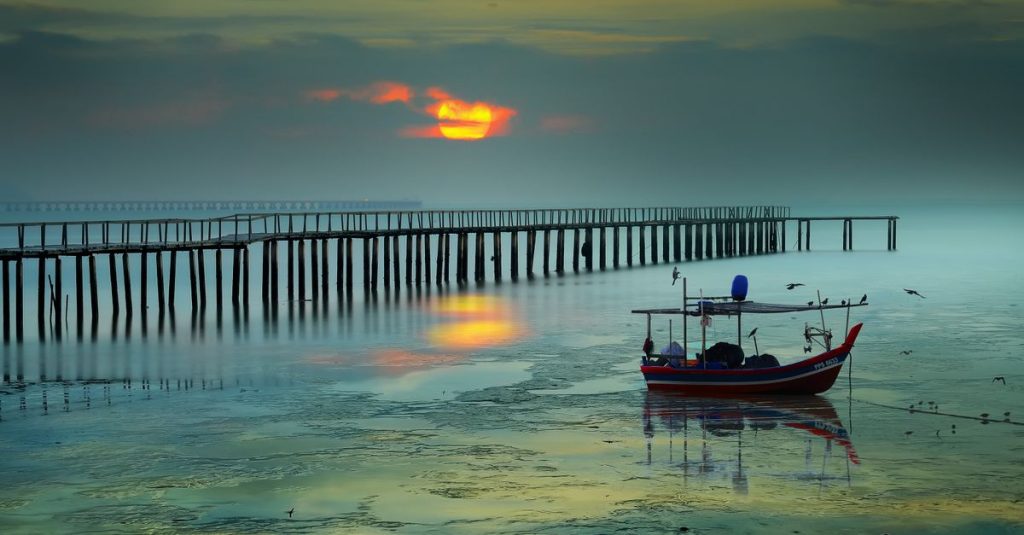
Pulau Ketam: The Fishing Island Near Kuala Lumpur
Discover Pulau Ketam, the fishing island near Kuala Lumpur, with stilt houses, seafood, mangroves and a distinctive coastal village.
Published on
Travelling to Malaysia in November is a good choice for exploring the cities and focusing on the west coast, provided you are prepared for showers and keep your itinerary flexible. Kuala Lumpur, Penang, Malacca and Ipoh let you combine heritage, food and indoor visits. For beaches, Langkawi is generally a more suitable option than the east-coast islands, which are more exposed to the north-east monsoon.
Malaysia’s weather cannot, however, be reduced to a simple contrast between a dry side and a rainy side. The tropical climate remains hot and humid in the lowlands, storms can affect the west, and mountain conditions require particular care. In Borneo, local variations also mean that a sunny getaway cannot be promised solely on the basis of the month you choose.
The most coherent route is therefore to link cultural stops on the peninsula, then add a beach stay or nature excursion depending on the forecast. November is better suited to a varied trip than to a holiday entirely dependent on the sea: this distinction helps you choose destinations, accommodation and bookings that can remain flexible.
In brief

November usually marks the arrival of the north-east monsoon, whose effects are particularly felt along the eastern coast of the peninsula. Rainfall can persist, cause flooding and be accompanied by rough seas: these are not simply showers interrupting a walk.
The west coast is generally less directly exposed to this monsoon, but it is not exempt from the rainy season in the broader sense. Kuala Lumpur, inland, and Penang can experience heavy rain; Langkawi follows a different local pattern again.
Do not build your itinerary around consistently sunny mornings or storms limited to the evening. Showers cannot be guaranteed to occur at particular times, and a seasonal trend is not a forecast for your travel dates.
| Region | November trend | Recommended choice |
|---|---|---|
| Western peninsula | Humid heat, showers and possible storms | Cities, heritage and local dining |
| Langkawi | Possible beach option, variable conditions | Beach time with alternative activities |
| Eastern islands | Greater exposure to rain and rough seas | Avoid an itinerary dependent on boats |
| Cameron Highlands | Relative coolness, fog and wet ground | Excursions adapted to access conditions |
| Malaysian Borneo | Contrasting conditions depending on the area | Plan nature outings locally |
Before a crossing, hike or journey through an area affected by heavy rainfall, check the bulletins issued by Malaysia’s meteorological service, MetMalaysia. A local warning should take priority over climate averages and over an itinerary booked in advance.
Our guide to the Malaysian climate by region helps explain these contrasts. In November, the decisive factor remains each stop’s exposure to bad weather, rather than a general assessment of the country.
Urban stops offer the best compromise when conditions change quickly. Their appeal does not depend solely on the weather: museums, places of worship open to visitors, restaurants and historic districts allow you to reorganise the day without giving up on sightseeing.
In Kuala Lumpur, combine walks through Chinatown or around Merdeka Square with sheltered visits such as the Islamic Arts Museum or Central Market. Grouping places by neighbourhood reduces unnecessary journeys and lets you change the order of activities when a shower arrives.
The Petronas Towers remain a major architectural landmark, but visibility from a high viewpoint depends on the clouds. Book a panoramic activity with this in mind and check access conditions with the venue; our selection of things to do in Kuala Lumpur helps you prepare alternatives.
In George Town, explore the shophouses, temples and old streets by neighbourhood rather than multiplying journeys. Covered walkways in front of some facades provide occasional shelter, but do not replace a proper indoor break during a storm.
Food also gives this stop its own appeal: char kway teow, assam laksa and nasi kandar reflect different culinary traditions. Choose a covered dining area for a comfortable meal, then continue sightseeing when conditions improve.
Malacca suits travellers drawn to its trading heritage and Peranakan culture. Walks along the river are best kept flexible, while its museum-houses allow you to explore local history under cover.
Ipoh combines an old town, cafés and temples set among limestone formations. Steps and outdoor areas can become slippery after rain: a cultural visit still needs to be adapted to the terrain, even when it includes covered sections.
Langkawi is generally the most suitable choice for adding a beach stop in November. The archipelago lets you combine seaside relaxation, dining and exploration inland, without making every day dependent on a boat excursion.
Choose your accommodation according to the services available nearby, not just the beach shown in the photograph. An isolated hotel may suit relaxation, but becomes less practical if you want to change activities during a spell of rain.
The cable car and the island’s viewpoints depend on visibility and operating conditions. Before setting out, check that they are operating with the official operator; clouds can hide the panorama even when access remains possible.
For a mangrove or boat trip, ask about postponement arrangements and safety equipment. Clear skies at departure are not enough to guarantee safe navigation for the entire journey.
The eastern islands are more exposed to the effects of the monsoon. Some accommodation providers and tourist services reduce or suspend operations, but arrangements vary according to the island, the establishment and current conditions.
Do not assume either a blanket closure or guaranteed access simply because a room appears to be available for booking. Confirm accommodation and transport separately with the operators concerned, then check official marine notices.
Diving and snorkelling also depend on swell, currents and underwater visibility. Our guide to the rainy season in Malaysia helps you choose a suitable time: for a holiday focused on eastern reefs, it is better to consider another seasonal window.
To get online as soon as you land, a Malaysia eSIM can be installed before you leave, with no need to look for a local SIM card.
The landscapes remain green in November, but this vegetation does not mean that excursions are easy. Humidity, waterlogged ground and recent rain matter more than temperature alone when deciding whether to go out.
The Cameron Highlands offer a cooler atmosphere than the lowlands and the chance to discover tea plantations. They are not, however, a guaranteed refuge from rain: fog, mud and disrupted access can limit activities.
Choose permitted visits and routes whose condition has been confirmed locally. The Mossy Forest and forest paths should not be treated like simple urban walks; ask the manager or a guide for advice before setting out.
Grippy shoes, rain protection and an extra layer are useful. Giving up on a damaged trail is preferable to continuing an excursion simply to keep a booking.
Borneo is not automatically a drier alternative to the peninsula. Sabah and Sarawak cover varied environments, and conditions in a coastal town cannot be used to predict those in a forest park or mountainous area.
A stay around Kuching can combine cultural discoveries and nature excursions, provided you confirm that sites are accessible. In Sabah, forest and river trips also require a local assessment of rainfall and route conditions.
When observing wildlife, no sighting is guaranteed, whatever the season. Above all, avoid adding this part of the country as an improvised detour: Borneo deserves a planned stop focused on its natural environments, with some flexibility in the itinerary.
A Kuala Lumpur–Ipoh–Penang route, potentially extended to Langkawi, follows a clear geographical logic. Malacca can be included while passing through the capital, while the highlands require a detour chosen for their own appeal. For a wider route, see our Malaysia itinerary ideas.
Avoid combining a sea crossing and an international flight without a comfortable buffer. Rain can also disrupt road travel: compare the options in our guide to transport in Malaysia, then confirm timetables with the official operators.
For activities affected by outdoor conditions, check postponement and cancellation options before paying. A departure maintained by the organiser and a personal decision to cancel because of bad weather do not necessarily give you the same refund rights.
November is not automatically cheaper everywhere. Costs depend on dates, availability, holidays and local events; compare equivalent services, including baggage, transfers and cancellation conditions.
Do not base your itinerary on a festival supposedly returning every year in this month. Religious calendars and food events should be confirmed with organisers or tourism offices for the year of travel.
Before travelling, check the formalities applicable to your nationality with Malaysian immigration and the French consular authorities. The guide to entry formalities for French citizens helps identify what to check, but does not replace official verification.
Pack lightweight clothing that dries quickly, waterproof protection for documents and shoes suitable for wet surfaces. A covering outfit is also useful for places of worship and limits exposure to mosquitoes.
Do not cross flooded roads and keep away from waterways during heavy rain. Keep the emergency contacts in Malaysia readily available: among the essential travel tips, being able to change a stop matters more than filling your itinerary in advance.
Yes, especially for a cultural itinerary in the west of the peninsula. Kuala Lumpur, Penang, Malacca and Ipoh allow you to alternate outdoor visits and sheltered activities, despite possible showers.
Swimming may be possible when local conditions allow. Follow signs, safety instructions and the state of the sea; avoid the water during a storm.
They are less suitable for a beach holiday in November because of the monsoon. Crossings and accommodation openings must be confirmed individually, without assuming that services are operating normally.
Some outings remain possible, but they depend on trail conditions, recent rain and local advice. Plan alternative visits and avoid routes that are damaged or closed.
To book tours and activities in Malaysia ahead, see the options on Klook.
Discover Pulau Ketam, the fishing island near Kuala Lumpur, with stilt houses, seafood, mangroves and a distinctive coastal village.
See fireflies along the Selangor River and silvered leaf monkeys at Bukit Melawati in Kuala Selangor, with practical wildlife tips.
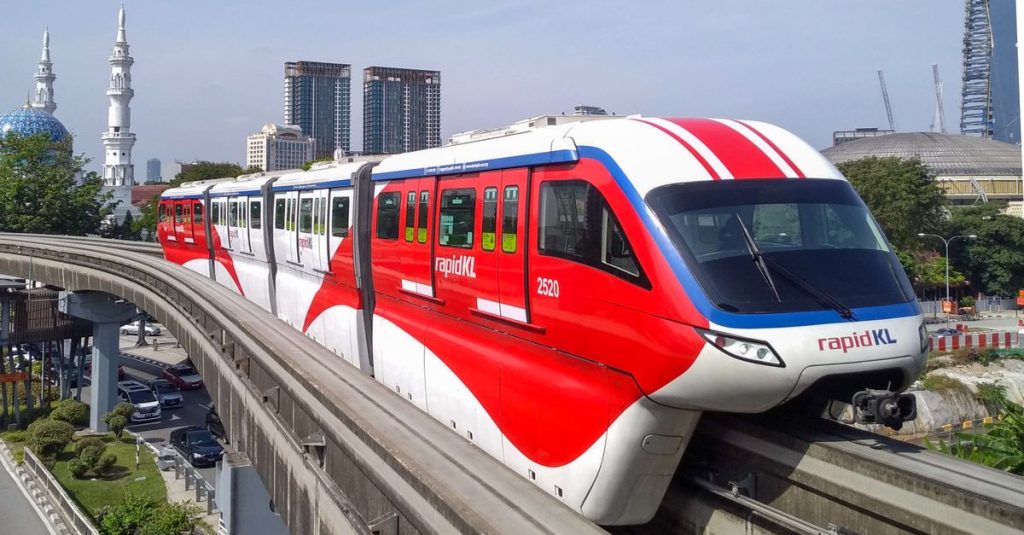
Compare the ETS train and bus from Kuala Lumpur to Ipoh, including journey times, transport options and practical tips for choosing.
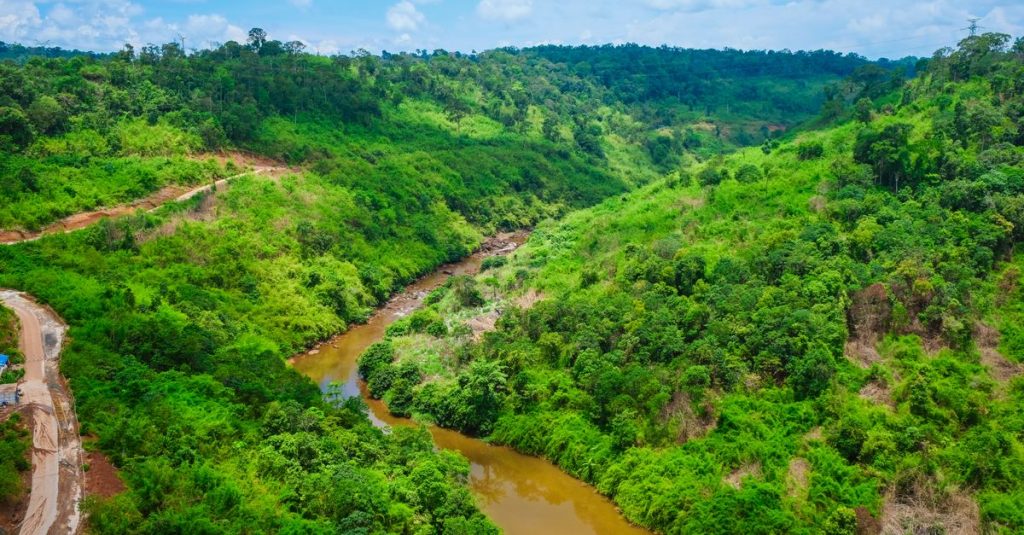
Explore Danum Valley, Borneo’s ancient rainforest, with its remarkable biodiversity, orangutans, guided walks, access details and practical advice.
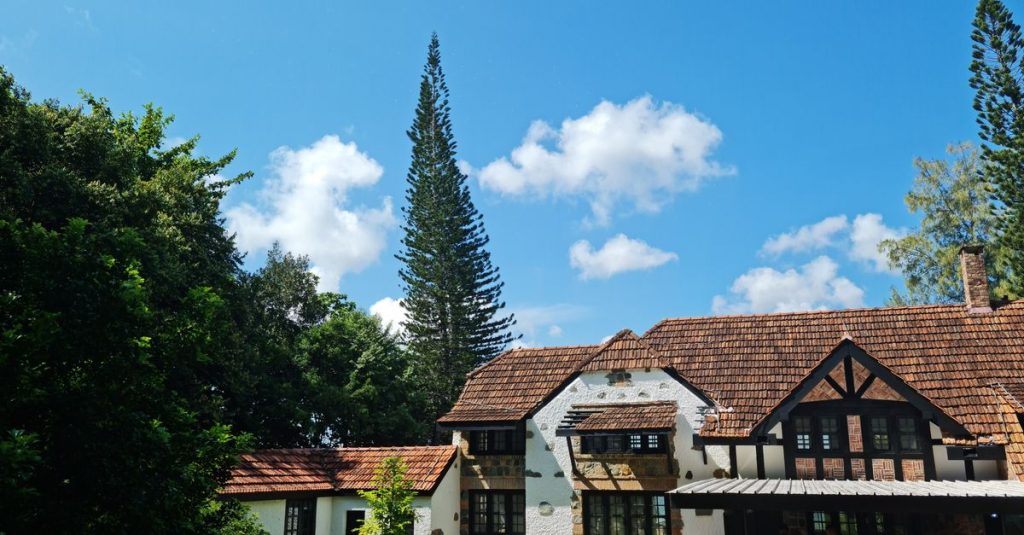
Discover Fraser’s Hill, a peaceful mountain retreat near Kuala Lumpur, with tropical forest, cool weather, hiking trails and birdwatching.
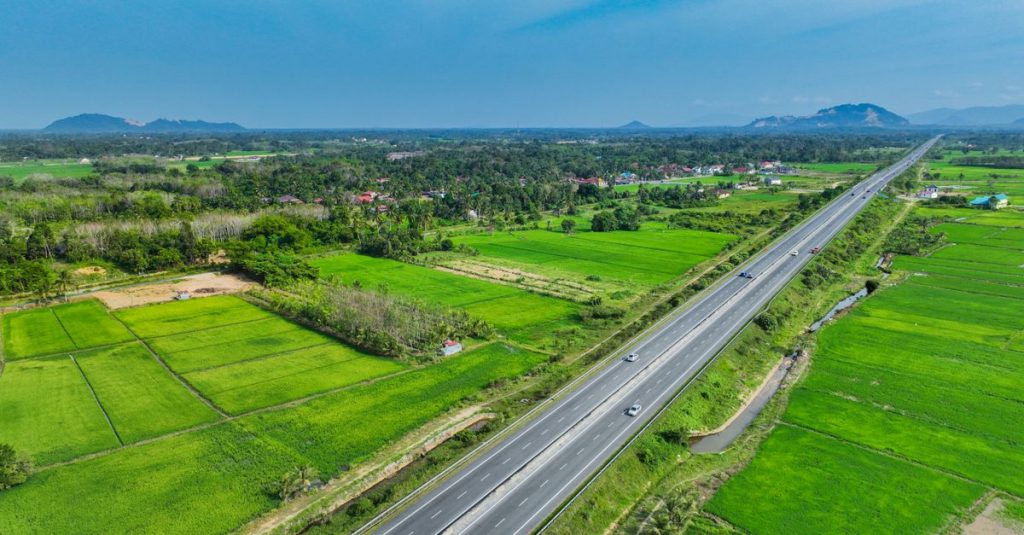
Discover what to do in Kota Bharu and how to reach the Perhentian Islands, with cultural visits, transport options and practical travel tips.
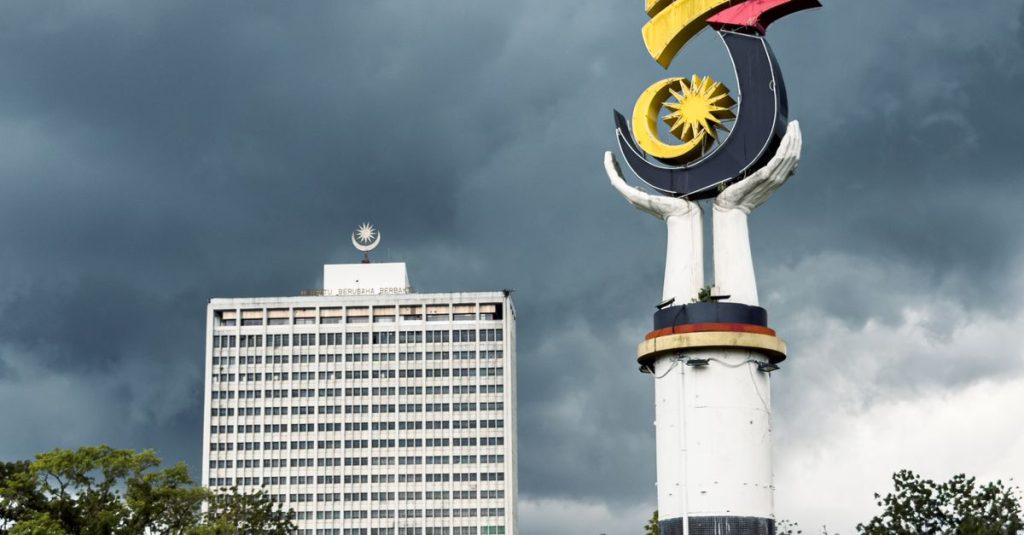
Discover S-MM2H, Sarawak’s long-stay programme: eligibility, benefits, application steps and checks before living in Malaysia.

Discover Thean Hou Temple in Kuala Lumpur, with practical advice on visiting, access, transport, opening hours and respectful behaviour.
Scroll to see more articles →