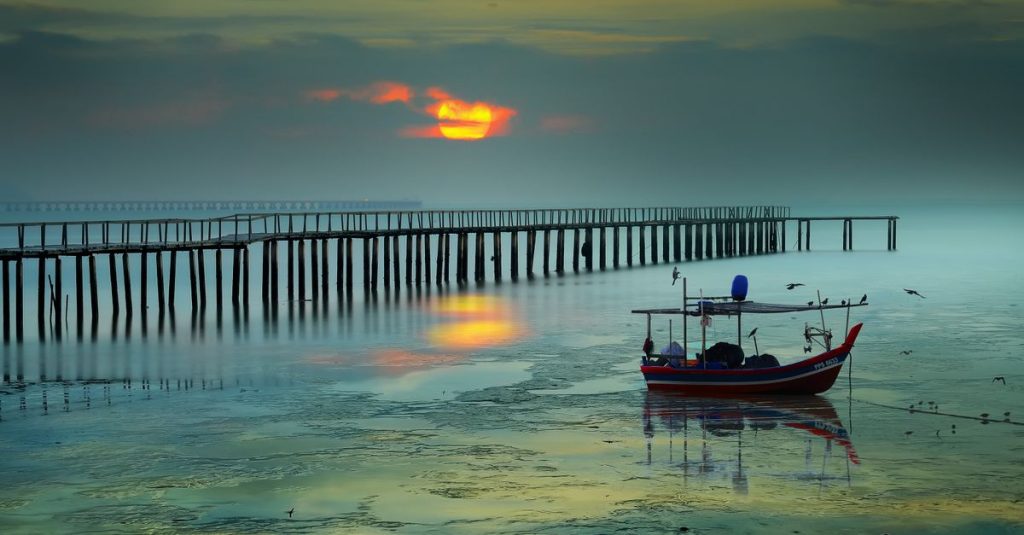
Pulau Ketam: The Fishing Island Near Kuala Lumpur
Discover Pulau Ketam, the fishing island near Kuala Lumpur, with stilt houses, seafood, mangroves and a distinctive coastal village.
Published on
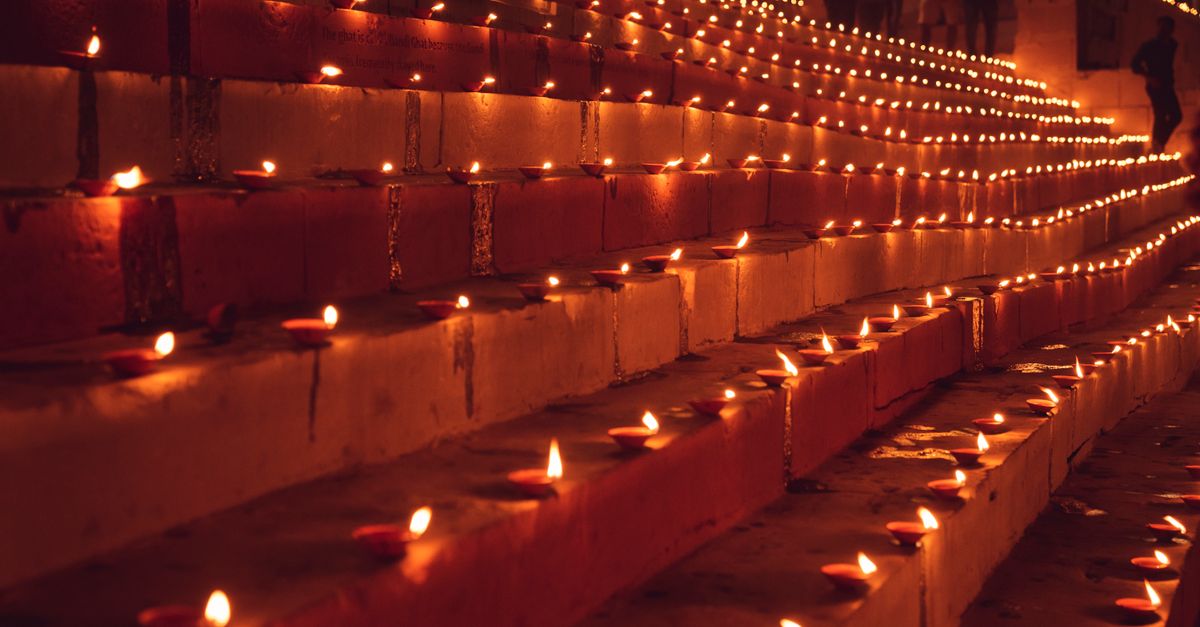
Deepavali in Malaysia is a major Hindu celebration combining prayer, family reunions and light. In homes, temples and some shopping districts, oil lamps and colourful rangoli designs give the festival a visible presence, while meals and visits also make it a time for sharing.
The festival is part of the country’s religious diversity: practices vary between families and traditions, and not everyone celebrates it in the same way. For visitors, understanding this festival of lights provides an opportunity to approach Hinduism and Malaysian traditions with curiosity, without reducing a religious celebration to a simple spectacle.
In brief

Deepavali is a Hindu religious festival celebrated by many families in Malaysia. Its name is often translated as “row of lights”; light represents hope, knowledge or the victory of good over evil, depending on the interpretations and stories associated with the festival.
There is no single story that summarises every celebration. Stories and references vary according to regions of origin, family traditions and religious movements. Some families give an important place to Hindu deities such as Lakshmi, associated with prosperity, while others highlight different stories and practices. This diversity is part of Deepavali’s meaning.
In Malaysia, the celebration takes place in a multicultural environment where several religions and traditions coexist. It is therefore both a time of devotion for worshippers and a festival visible in public life, particularly through decorations, markets and family gatherings. To place this event among the country’s religious practices, the guide to religions in Malaysia offers useful background.
The date of Deepavali changes from year to year because it follows the Hindu calendar. To find out the date and any practical implications for a particular year, it is best to consult the official calendar and local announcements. Remembering this variation avoids planning a trip based on an outdated date.
Preparations may begin before the festival day. In some families, the house is cleaned and decorated, clothes are prepared for the occasion and visits are arranged. These activities are not the same everywhere: they depend on family habits, available resources and each person’s religious practices.
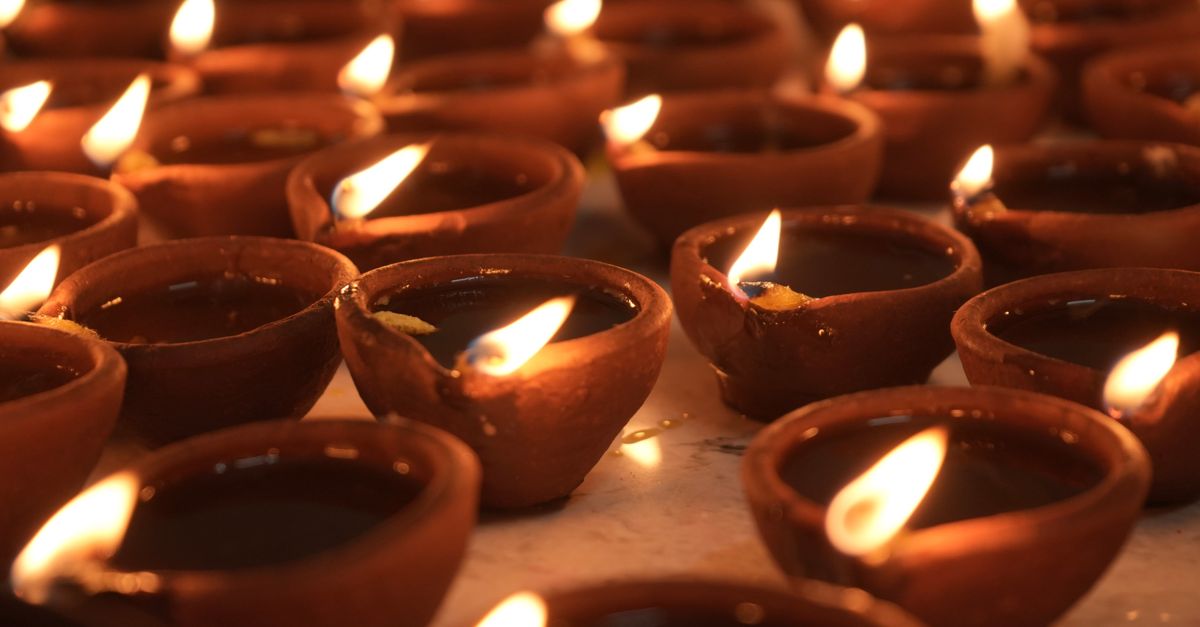
Oil lamps are among the most recognisable symbols. Placed near the entrance or in a prayer area, they give the home a distinctive atmosphere and recall the theme of light. Electric lamps and other illuminated decorations may also be seen; their presence does not necessarily replace religious practices, which remain specific to each household.
Rangoli, a decorative design made on the floor with coloured powders or other materials, may decorate an entrance or shared space. It requires precision and patience, but its purpose is not purely aesthetic: in traditions where it is practised, it helps welcome the festival and visitors. The designs and materials vary according to the people creating them.
Prayer at a temple or at home is another important aspect. Some worshippers visit a place of worship, while others prefer a family ritual. Visitors may observe the atmosphere of a temple when it is open to the public, but must follow instructions about footwear, clothing and restricted areas. The best approach is to ask at the entrance rather than assume that the same rules apply everywhere.
The celebration often continues with a meal and visits among relatives and friends. Families may welcome guests, exchange good wishes and offer dishes prepared for the occasion. Menus differ according to regions, preferences and dietary practices, so it is best not to present one dish as essential in every household.
In some settings, non-Hindu visitors are invited to share a meal or discover the decorations. Such an invitation is an opportunity to understand the festival better, but it does not mean that every household follows the same customs. If you bring a gift or dish, asking beforehand what would be appropriate is considerate, particularly where dietary restrictions are involved.
Deepavali also takes on a collective dimension in some shopping areas and public places, where decorations and activities may be found. These events may be open to a wider audience than religious ceremonies. It is useful to distinguish these cultural events from devotional rituals: their atmosphere and participation rules are not necessarily the same. Other celebrations are also included in our guide to festivals in Malaysia.
To discover the festival without stopping at its visual aspects, talking to local residents is often the most enlightening approach. A simple, respectful question about the meaning of a design or ritual can open a conversation. Malaysian culture can also be understood through these encounters and the coexistence of different traditions.
To get online as soon as you land, a Malaysia eSIM can be installed before you leave, with no need to look for a local SIM card.
Hindu temples and neighbourhoods where many families of Indian origin live are places where visitors may sometimes observe preparations or decorations. Access to ceremonies nevertheless depends on each temple and event. Before going, it is best to check the rules with the organiser or venue, particularly regarding times and areas open to visitors.
Modest clothing is appropriate when visiting a place of worship. Some temples require visitors to remove their shoes or follow specific rules; follow posted instructions and staff advice. These precautions show respect for worshippers and form part of the good conduct expected in Malaysia. Our guide to dress codes in Malaysia provides additional context.
Photography requires particular care. A public decoration does not automatically mean that people present wish to be photographed, and rules may be stricter inside a temple or during prayer. Asking permission before taking someone’s portrait and putting your camera away if a ceremony requires it are simple gestures that prevent a religious moment from becoming an attraction.
The festival is also an opportunity to learn more about the country’s other traditions, without confusing Hindu practices with those of other communities. To prepare for a respectful visit, you can consult the advice on good conduct in Malaysia and ask local organisers directly.
Busy places and public events may be more crowded during the celebration. It is best to plan your journeys in advance, especially if you intend to visit a temple or attend a very popular event. Information about transport and possible disruptions may change, so check with operators or local authorities.
Here are some useful pointers for taking part in or observing Deepavali considerately:
The table below distinguishes elements you may commonly encounter from precautions to bear in mind. It is not an identical programme followed by every household, but a set of pointers for understanding the celebration.
| Element observed | What it may represent | Advice for visitors |
|---|---|---|
| Oil lamps | Light, hope or renewal, depending on the traditions | Observe without touching the displays |
| Rangoli | A welcoming decoration created for the festival | Avoid walking on the design |
| Prayer at a temple | A time of devotion specific to worshippers | Follow the venue’s instructions and remain discreet |
| Family meal | A time for sharing and reunions | Ask whether an invitation or dish would be appropriate |
Videos of local celebrations can provide an impression of the decorations and atmosphere, but they do not replace a temple’s instructions or explanations from the people celebrating the festival. The key is to distinguish what belongs to a family tradition, a religious ritual or an event open to the public.
Both names are used for this Hindu festival of lights. Usage varies between regions and communities; in Malaysia, Deepavali is a common name.
The festival follows the Hindu calendar, so its date varies from year to year. For a specific date, consult the official calendar or local announcements for the year concerned.
This depends on the temple and ceremony. Check access rules with the venue, then follow instructions concerning clothing, footwear and photography.
Lamps are associated with light and renewal, while rangoli are decorative designs often created at the entrance. Their form and precise meaning may vary according to the traditions.
To book tours and activities in Malaysia ahead, see the options on Klook.
Discover Pulau Ketam, the fishing island near Kuala Lumpur, with stilt houses, seafood, mangroves and a distinctive coastal village.
See fireflies along the Selangor River and silvered leaf monkeys at Bukit Melawati in Kuala Selangor, with practical wildlife tips.
Compare the ETS train and bus from Kuala Lumpur to Ipoh, including journey times, transport options and practical tips for choosing.
Explore Danum Valley, Borneo’s ancient rainforest, with its remarkable biodiversity, orangutans, guided walks, access details and practical advice.
Discover Fraser’s Hill, a peaceful mountain retreat near Kuala Lumpur, with tropical forest, cool weather, hiking trails and birdwatching.
Discover what to do in Kota Bharu and how to reach the Perhentian Islands, with cultural visits, transport options and practical travel tips.
Discover S-MM2H, Sarawak’s long-stay programme: eligibility, benefits, application steps and checks before living in Malaysia.
Discover Thean Hou Temple in Kuala Lumpur, with practical advice on visiting, access, transport, opening hours and respectful behaviour.
Scroll to see more articles →