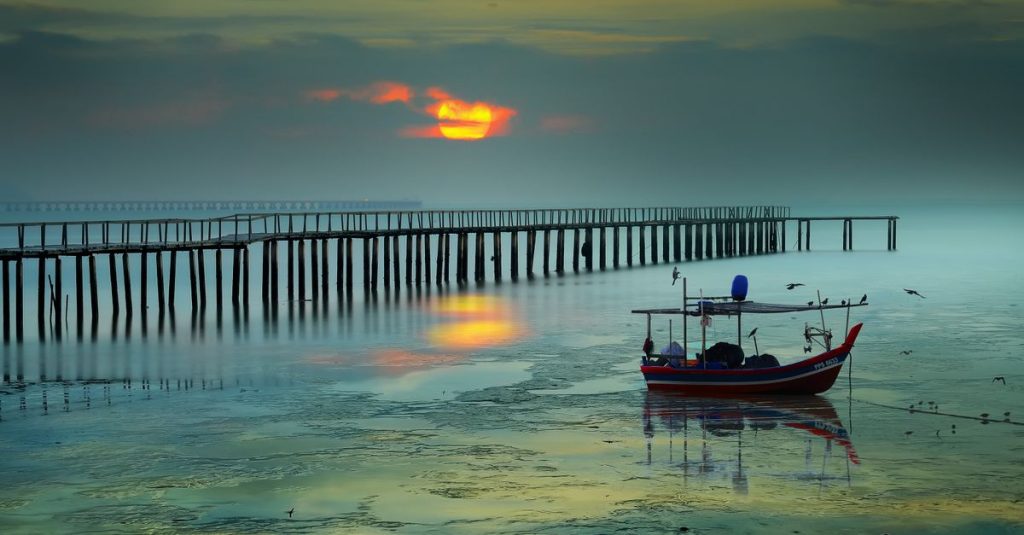
Pulau Ketam: The Fishing Island Near Kuala Lumpur
Discover Pulau Ketam, the fishing island near Kuala Lumpur, with stilt houses, seafood, mangroves and a distinctive coastal village.
Published on
To greet people, say thank you, order a meal or ask for directions, a few Malay words can make communication in Malaysia much easier. Start with helo or selamat pagi to say hello, terima kasih to say thank you and tolong to ask for help or make a polite request.
Malay is written using the Latin alphabet, and common expressions are useful on public transport, in shops and at restaurants. Although English can often help, trying the local language shows consideration and is appreciated. Here are practical words and phrases, with their translations and examples for everyday situations.

To say hello in Malay, helo works in an informal conversation and is easily understood. You can also use selamat pagi in the morning, selamat petang in the late afternoon and selamat malam in the evening. “How are you?” is Apa khabar?; a simple reply is Saya baik-baik saja, terima kasih, meaning “I’m fine, thank you”.
Greetings set the tone of an exchange, but polite expressions go beyond saying hello. Terima kasih means “thank you”, while terima kasih banyak-banyak makes the thanks more emphatic. To reply, say sama-sama, meaning “you’re welcome”. Maaf means “pardon” or “sorry”, and tolong is used to ask for help or introduce a request.
At a hotel, for example, you can start with Helo, then ask for help with Tolong bantu saya (“Please help me”). To say goodbye, Selamat tinggal means “goodbye” and Jumpa lagi means “see you soon”. The expression Selamat datang means “welcome” and often appears on signs or in places welcoming visitors.
These expressions are a practical starting point, although they do not replace nuances of tone and context. To better understand the languages spoken in Malaysia, see our dedicated page. You can also learn Malay to go beyond these first phrases. A simple greeting, pronounced respectfully, often opens a conversation.
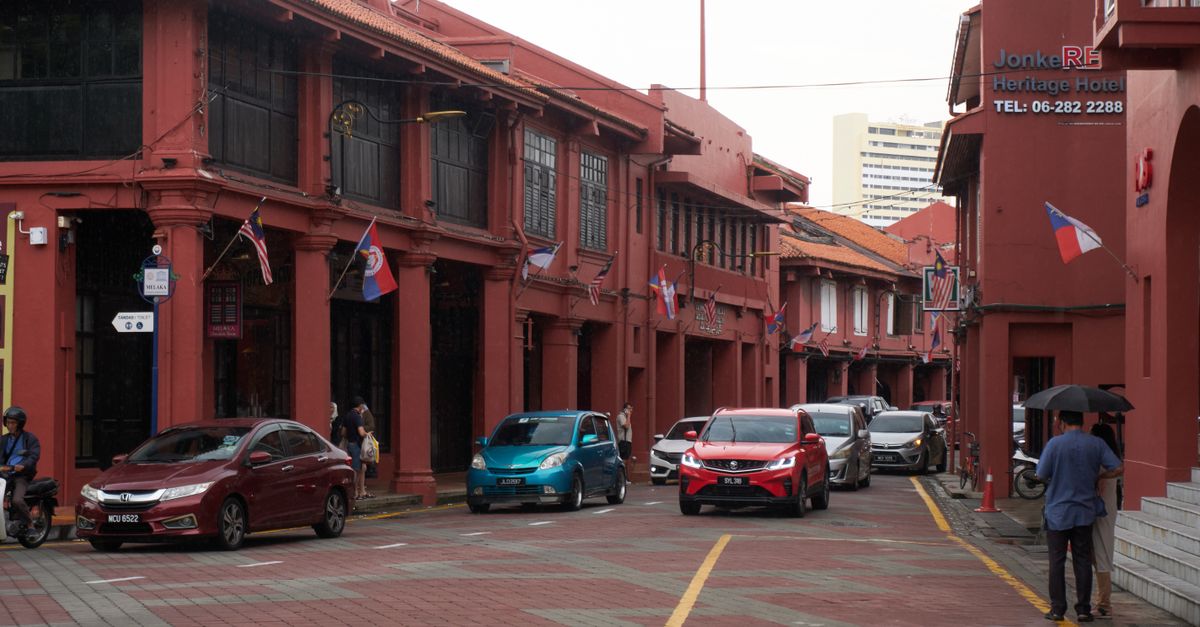
To find your way around, first remember Di mana…?, which means “Where is…?”. You can complete the sentence with a place: Di mana hotel saya? (“Where is my hotel?”) or Di mana tandas? (“Where are the toilets?”). To ask whether somewhere is far away, use Adakah ia jauh?.
The most useful directions are kiri for “left”, kanan for “right” and terus for “straight ahead”. Thus, Belok kiri means “Turn left” and Belok kanan means “Turn right”. If you miss a spoken direction, ask Boleh tunjukkan saya pada peta? (“Can you show me on the map?”).
For transport, several names for places and means of travel are easy to recognise: lapangan terbang means airport, hotel means hotel, teksi means taxi and bas means bus. To ask for a taxi, say Tolong panggil teksi. At the station, stesen kereta api means railway station; for journeys and connections, also show your destination written on your phone or on a ticket.
When you do not understand the reply, Maaf, saya tak faham means “Sorry, I don’t understand”. You can then ask Boleh cakap Bahasa Inggeris?, “Do you speak English?”, or Bolehkah anda mengatakan perlahan-lahan?, “Can you speak more slowly?”. Preparing your destination in writing helps avoid confusion, especially in noisy places.
To plan journeys beyond the vocabulary, see our guide to transport in Malaysia. You can also find more practical advice in our guide to travelling safely in Malaysia. Combining a short question with a precise place name makes finding your way more effective.
At a restaurant, menu is understood much as it is in English and makanan means “food”. To ask to see the menu, say Boleh tunjukkan menu?, meaning “May I see the menu?”. If you would like some water, Minta air, tolong means “Water, please”; air sejuk specifies that you want it cold.
To ask for the bill, the useful word is bil. You can say Tolong bawakan bil (“Please bring the bill”) or Boleh saya dapatkan bil? (“May I have the bill?”). To ask the price of a dish or item, Berapa harganya? means “How much does it cost?”. This question is also useful when shopping, at a market or in a shop.
If you would rather avoid a very spicy dish, pedas means “spicy” or “hot”. Say Jangan terlalu pedas to ask for a dish that is not too spicy. To express your appreciation, sedap means “tasty” or “delicious”; Makanan di sini sangat sedap means “The food here is very good”.
Restaurant conversations are also an opportunity to recognise recurring words and gain confidence. If your order is not understood, repeat it calmly or point to the dish’s name on the menu. To discover local specialities, see our guide to Malaysian cuisine: knowing a few ingredients and dishes makes choosing easier as well as helping with conversation.
Tip: set up a Malaysia eSIM before departure so your data works on arrival.
Two words allow you to reply simply: ya (“yes”) and tidak (“no”). To refuse politely, say Tidak, terima kasih, “No, thank you”. Baiklah means “all right” or “very well”, while Tidak apa-apa or Tidak mengapa express the idea of “it’s all right” or “no problem”.
When shopping, the question Berapa harganya ini? means “How much does this cost?”. If the price seems too high, Ia terlalu mahal means “It’s too expensive”. To ask for an item, you can start with Saya sedang mencari…, “I’m looking for…”, then name the object. In a small shop, accompanying your request with a gesture or an image on your phone can make your meaning clearer.
Signs also provide useful clues. Buka means “open”, keluar means “exit”, masuk means “entrance” and percuma means “free”. Dilarang merokok indicates that smoking is prohibited, while jangan masuk means “do not enter”. Recognising these words helps you understand instructions even without a conversation.
To learn more about the country’s customs and codes, you can read our article on Malaysian culture. A few well-chosen expressions help you ask a question, turn down an offer and better understand your surroundings.
In difficulty, Tolong (“Help me” or “please”) can be used to attract attention. Bantuan means “help”; “Help!” is commonly expressed as Tolong! or Bantuan!. To report a health problem, Saya tidak berasa sihat means “I do not feel well”. If the situation is urgent, Ia sangat penting means “It is very important”.
To ask for a healthcare facility, remember hospital for “hospital”, farmasi for “pharmacy” and doktor for “doctor”. Balai polis means police station. You can combine the place name with Di mana…?, for example Di mana farmasi? (“Where is the pharmacy?”). In an emergency, our guide to emergency services and contacts in Malaysia may also be useful.
Useful phrases for asking someone to repeat information include Bolehkah anda mengulangi itu? (“Can you repeat that?”) and Bolehkah anda menuliskannya untuk saya? (“Can you write it down for me?”). To explain that you do not speak the language, say Saya tidak bercakap Bahasa Melayu. Keeping these phrases in an offline note is useful when an internet connection is unavailable.
If you lose your passport, Saya telah kehilangan pasport saya means “I have lost my passport”. Learn this phrase together with the names of important places near your accommodation and keep your documents separately. The aim is not to speak fluently, but to make the nature of the problem understood quickly.
This selection brings together the expressions that are easiest to reuse during a day of travel. Read them aloud before setting off, then keep the translations in an easily accessible note on your phone.
| Malay | English | Situation |
|---|---|---|
| Helo | Hello, hi | Greeting someone |
| Terima kasih | Thank you | Thanking someone |
| Tolong | Please, help me | Asking for help |
| Maaf | Pardon, sorry | Apologising or politely interrupting |
| Di mana…? | Where is…? | Asking for directions |
| Kiri / Kanan | Left / right | Following a direction |
| Berapa harganya? | How much does it cost? | Shopping |
| Bil | Bill | At a restaurant |
| Saya tak faham | I don’t understand | Asking for clarification |
| Jumpa lagi | See you soon | Saying goodbye |
To improve, first memorise polite words, then add an expression linked to a practical situation: ordering, paying or asking for directions. Repetition in context is more useful than learning a long list without practising it.
Helo is a common greeting. Selamat pagi means hello in the morning, Selamat petang in the late afternoon and Selamat malam in the evening.
Thank you is Terima kasih. To say thank you very much, use Terima kasih banyak-banyak. The reply “you’re welcome” is Sama-sama.
Di mana…? means “Where is…?”. Add the place you are looking for, for example Di mana hotel saya? to ask where your hotel is.
Pedas means “spicy” or “hot”. To ask for a dish that is not too spicy, say Jangan terlalu pedas.
To book tours and activities in Malaysia ahead, see the options on Klook.
Discover Pulau Ketam, the fishing island near Kuala Lumpur, with stilt houses, seafood, mangroves and a distinctive coastal village.
See fireflies along the Selangor River and silvered leaf monkeys at Bukit Melawati in Kuala Selangor, with practical wildlife tips.
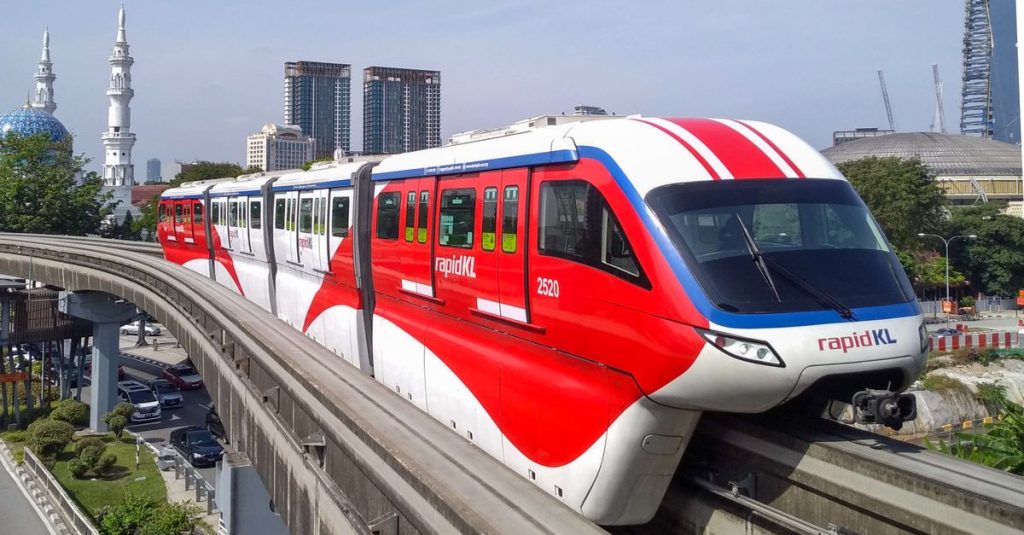
Compare the ETS train and bus from Kuala Lumpur to Ipoh, including journey times, transport options and practical tips for choosing.
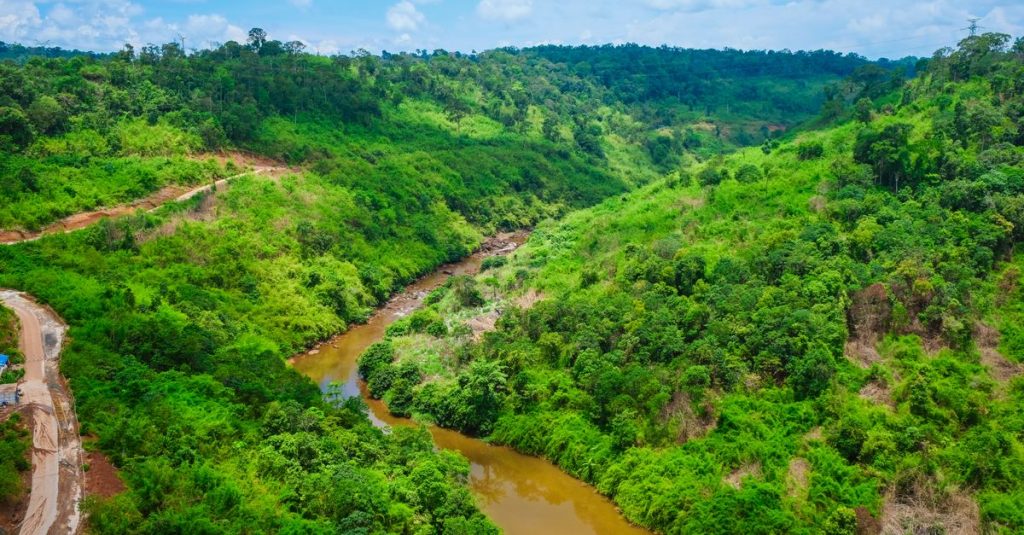
Explore Danum Valley, Borneo’s ancient rainforest, with its remarkable biodiversity, orangutans, guided walks, access details and practical advice.
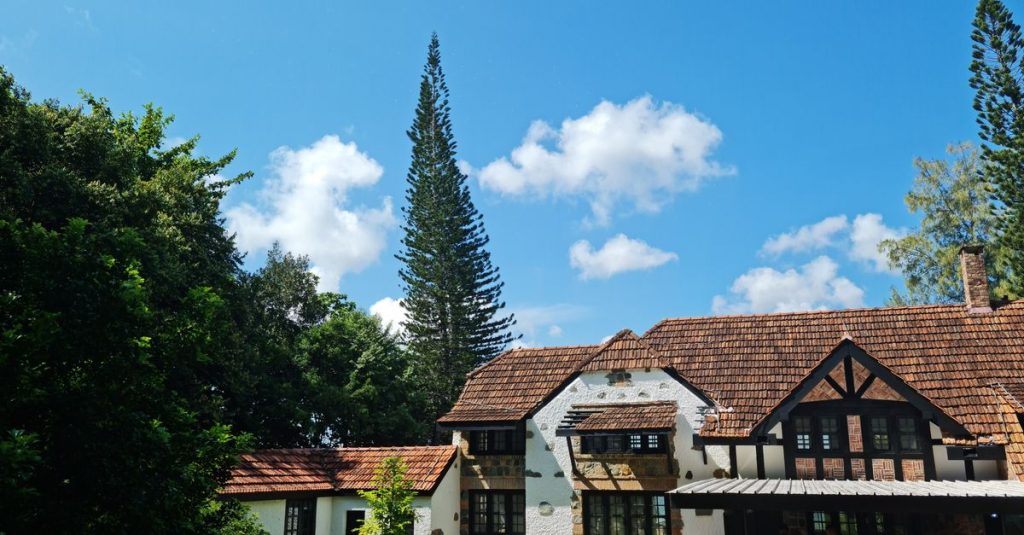
Discover Fraser’s Hill, a peaceful mountain retreat near Kuala Lumpur, with tropical forest, cool weather, hiking trails and birdwatching.
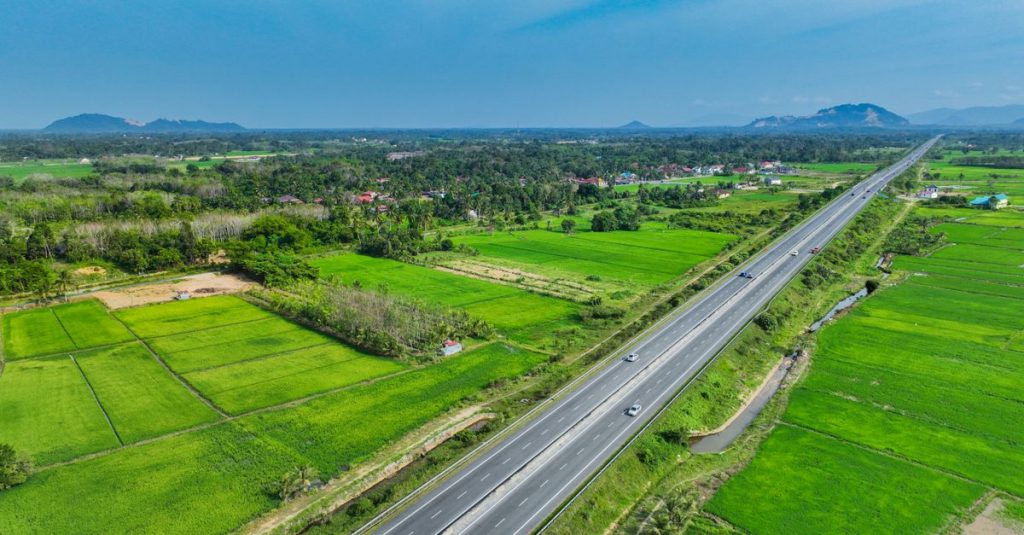
Discover what to do in Kota Bharu and how to reach the Perhentian Islands, with cultural visits, transport options and practical travel tips.
Discover S-MM2H, Sarawak’s long-stay programme: eligibility, benefits, application steps and checks before living in Malaysia.
Discover Thean Hou Temple in Kuala Lumpur, with practical advice on visiting, access, transport, opening hours and respectful behaviour.
Scroll to see more articles →