
Pulau Ketam: The Fishing Island Near Kuala Lumpur
Discover Pulau Ketam, the fishing island near Kuala Lumpur, with stilt houses, seafood, mangroves and a distinctive coastal village.
Published on
Teh tarik is an iconic Malaysian milk tea, recognisable by its froth and dramatic preparation. Its name means “pulled tea”: after black tea and condensed milk have been mixed, the drink is poured from one container to another in a long stream, aerating it and creating a layer of foam. It is often ordered in mamak establishments, popular eateries where different culinary traditions come together.
This traditional drink is experienced through both the cup and the server’s technique. Sweet, strong and usually served hot, teh tarik can accompany a meal or a break, but its recipe varies according to the establishment and individual preferences. To understand its place in Malaysian culture, you need to consider its ingredients, preparation and the occasions when it is shared.

Teh tarik combines the bitterness of black tea with the richness of condensed milk. The result is denser and softer than plain black tea, with a texture that seems velvety when the drink is properly mixed. The foam formed during pouring completes the experience without turning the tea into a whipped drink.
Its name directly describes how it is prepared: “tarik” refers to pulling or stretching. The liquid passes from one container to another in a sometimes lengthy stream, but this demonstration also has a practical purpose. It homogenises the mixture and cools it slightly while incorporating air into the surface.
In Malaysia, teh tarik is associated with mamak restaurants, often visited for simple meals or a drink break. It can be ordered with savoury dishes or outside mealtimes. The exact recipe is not uniform: the amount of sugar and milk can vary from one place to another.
To place this drink within a broader picture, the page dedicated to Malaysian gastronomy explores other dining habits. Teh tarik is a good example: a few ingredients are enough to create an instantly recognisable drink, but the technique and context matter just as much.
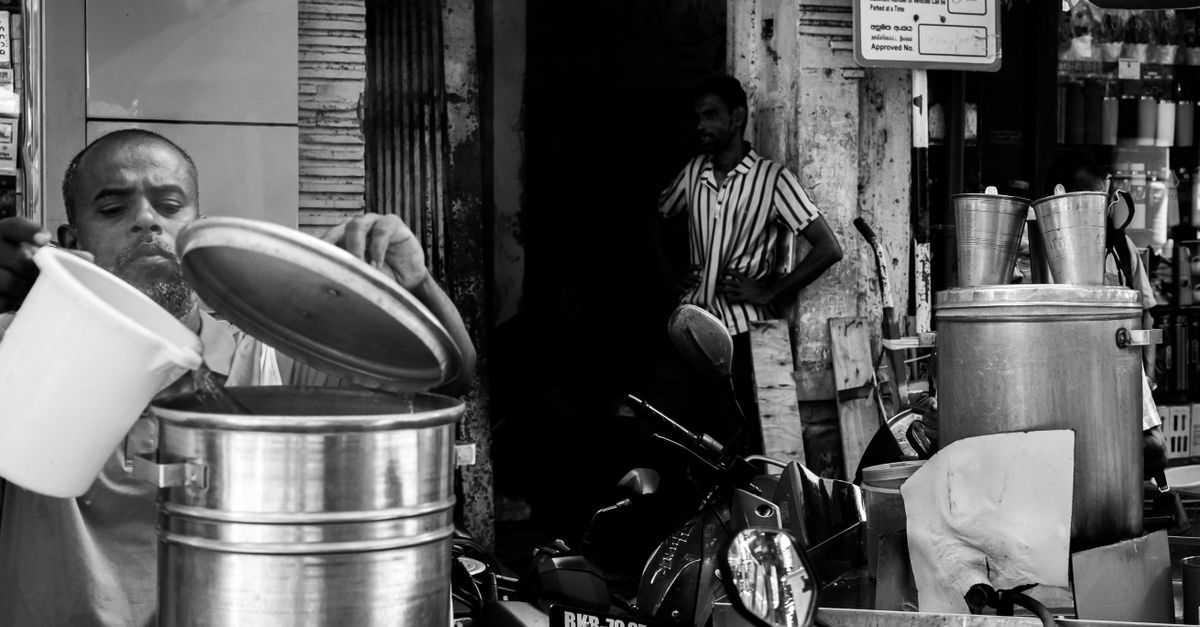
Preparation begins by brewing black tea strong enough to remain noticeable after the milk is added. The tea is then mixed with condensed milk. Some establishments adjust the sweetness or richness of the mixture; there is no single ratio that defines every version of teh tarik.
Next comes the technique that gives the drink its identity. The preparer pours the mixture from one container into another while keeping a certain height, then repeats the movement until an even texture is achieved. A controlled technique limits splashing and produces a fine layer of milk foam on top.
The service may look spectacular, but the process serves a practical purpose: distributing the milk and tea evenly. If the liquid is only stirred with a spoon, the taste may still be enjoyable, but the texture and foam will not be the same. The “pulling” is therefore an integral part of the preparation rather than a simple performance for customers.
| Element | Role in the drink | What can vary |
|---|---|---|
| Black tea | Provides colour and a strong flavour | The strength of the brew |
| Condensed milk | Adds sweetness and a creamy texture | The amount used |
| Pouring between containers | Mixes and aerates the tea | The height and number of movements |
| Milk foam | Forms a light layer on the surface | Its thickness, depending on the technique |
To get online as soon as you land, a Malaysia eSIM can be installed before you leave, with no need to look for a local SIM card.
Mamak restaurants are common places to try teh tarik. They are often associated with an accessible selection of food and drinks, as well as a relaxed atmosphere. The tea may be served at breakfast, after a meal or during a break; it is not reserved for a particular occasion.
The sweetness may surprise people who are used to unsweetened tea. To adapt your order, it is useful to ask for less sugar or less milk, if the establishment can offer it. The terms used are not always identical from one place to another: it is better to describe the result you want rather than assume that one name refers to the same recipe everywhere.
Teh tarik is also available in iced versions, but availability and preparation depend on the restaurant. If the drink is important to your meal, check directly with the staff. For visitors interested in food practices, this guide to eating halal in Malaysia provides useful additional information; ingredients and practices may nevertheless vary according to the establishment.
Having tea in a place frequented by local residents also lets you observe the pace of meals and the way people order. The simplest advice is to look at the menu, specify your preferred level of sweetness and ask the staff what the version on offer contains. This is a direct way to discover the drink without assuming that all recipes are identical.
Teh tarik’s popularity comes from the combination of a familiar recipe and a visible preparation technique. Milk tea is easy to share, while the pouring catches the eye and gives the service an artisanal quality. In a restaurant, this movement is part of the experience: the drink is prepared in front of customers and its foam shows that the mixture has been aerated.
The tea also belongs to a culture of breaks in which drinks accompany conversations and meals. It should not, however, be reduced to a single symbol of Malaysia: the country’s culinary habits are diverse and change according to regions, communities and establishments. Teh tarik is better understood as a practical introduction to this diversity.
For visitors, ordering it can be a simple way to explore local flavours, provided they remember that the version served may be very sweet. It pairs well with savoury and spicy dishes, whose flavours contrast with its milky character. This contrast partly explains why it is enjoyed both during a meal and at other times of day.
Malaysian culture can be discovered through these everyday details: a familiar ingredient, a recognisable technique and a place where people take time to eat. Teh tarik shows that cuisine is not only about a list of ingredients; it is also passed on through gestures and customs.
The first characteristic to notice is the balance between black tea and condensed milk. If the tea dominates, the cup tastes stronger; if there is plenty of milk, it becomes softer and creamier. The foam creates a light sensation on the surface, while the rest of the drink retains a denser texture.
You can compare two preparations from different establishments without expecting exactly the same profile. The strength of the brew, the amount of milk and the way the tea is pulled all influence the result. A generous amount of foam does not necessarily mean that the drink will be less sweet: texture and taste are two distinct aspects.
For a more attentive tasting, begin by trying the drink as served, then ask for an adjustment if it is too sweet. Have it with a savoury dish if you want to balance its creamy character. These pointers help you appreciate teh tarik without treating it as a fixed recipe.
The drink is therefore a milk tea, a serving technique and a dining habit all at once. Its distinctive character does not come from a rare ingredient, but from the way the mixture is prepared and shared.
Teh tarik means “pulled tea”. The name refers to pouring the tea between two containers, a movement that mixes and aerates the drink.
The usual recipe combines black tea and condensed milk. The sweetness and proportions can vary depending on the establishment.
Repeatedly pouring it between two containers incorporates air and creates a layer of foam on the surface.
It is often sweet because of the condensed milk, but the taste varies. Ask for a less sweet or less milky preparation if the restaurant allows it.
To book tours and activities in Malaysia ahead, see the options on Klook.
Discover Pulau Ketam, the fishing island near Kuala Lumpur, with stilt houses, seafood, mangroves and a distinctive coastal village.
See fireflies along the Selangor River and silvered leaf monkeys at Bukit Melawati in Kuala Selangor, with practical wildlife tips.

Compare the ETS train and bus from Kuala Lumpur to Ipoh, including journey times, transport options and practical tips for choosing.
Explore Danum Valley, Borneo’s ancient rainforest, with its remarkable biodiversity, orangutans, guided walks, access details and practical advice.
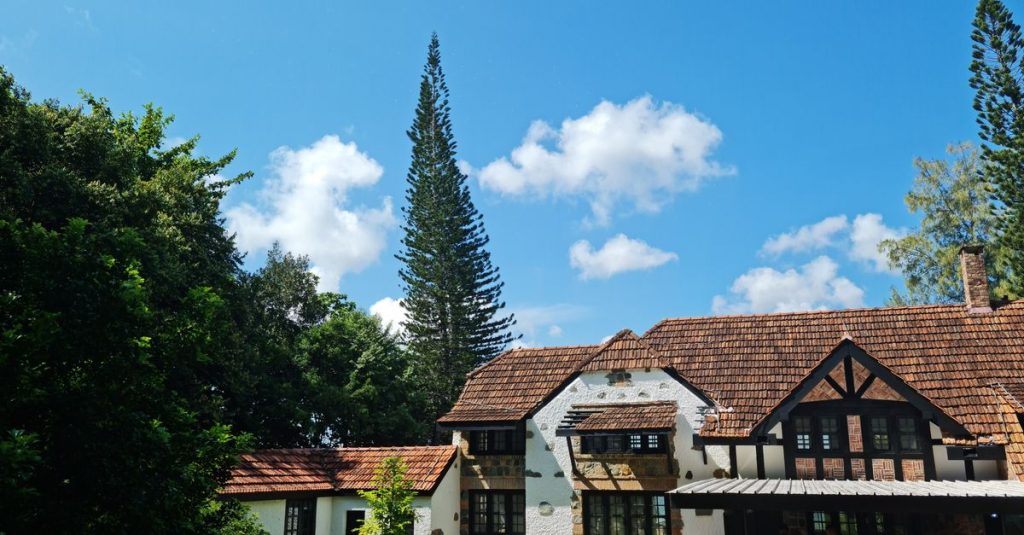
Discover Fraser’s Hill, a peaceful mountain retreat near Kuala Lumpur, with tropical forest, cool weather, hiking trails and birdwatching.
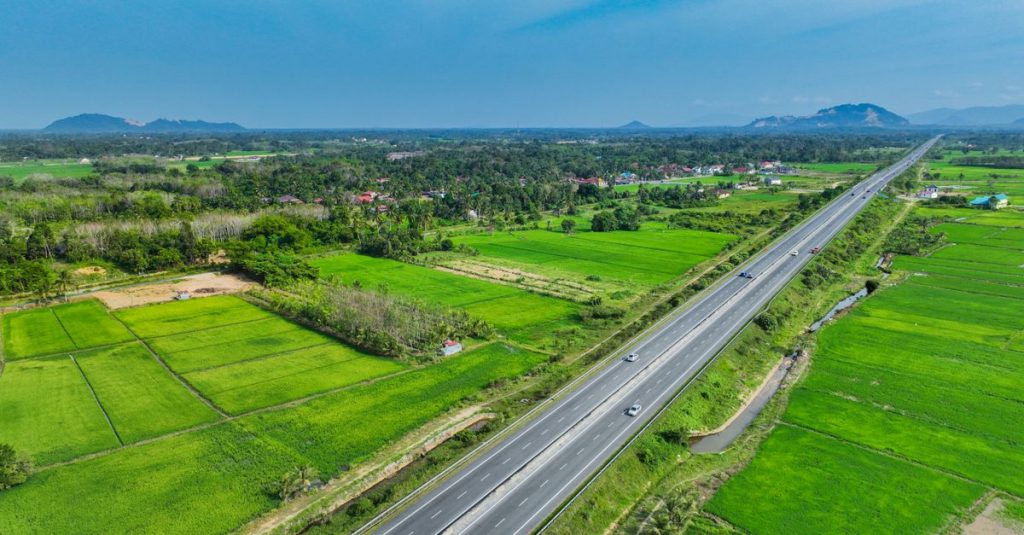
Discover what to do in Kota Bharu and how to reach the Perhentian Islands, with cultural visits, transport options and practical travel tips.
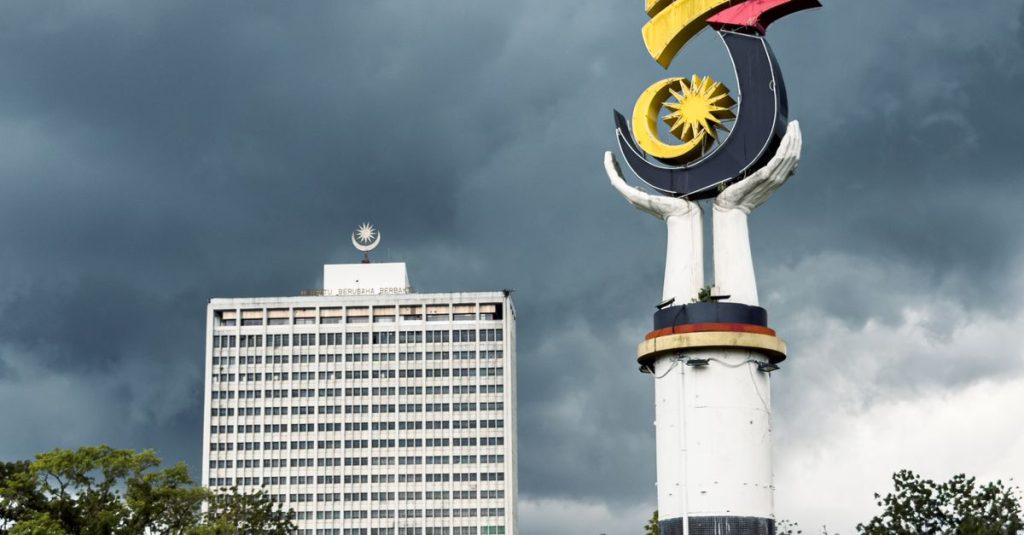
Discover S-MM2H, Sarawak’s long-stay programme: eligibility, benefits, application steps and checks before living in Malaysia.
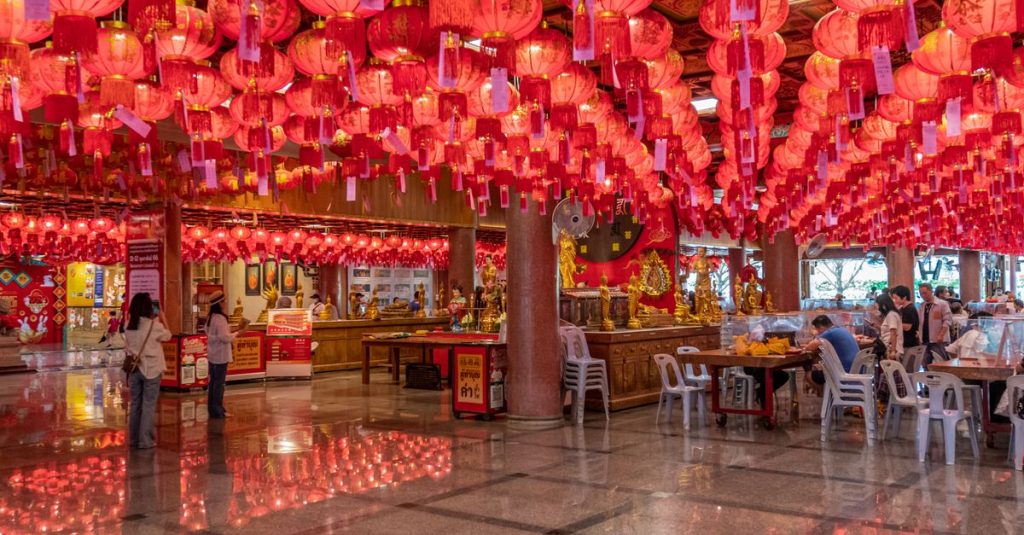
Discover Thean Hou Temple in Kuala Lumpur, with practical advice on visiting, access, transport, opening hours and respectful behaviour.
Scroll to see more articles →