Pulau Ketam: The Fishing Island Near Kuala Lumpur
Discover Pulau Ketam, the fishing island near Kuala Lumpur, with stilt houses, seafood, mangroves and a distinctive coastal village.
Published on
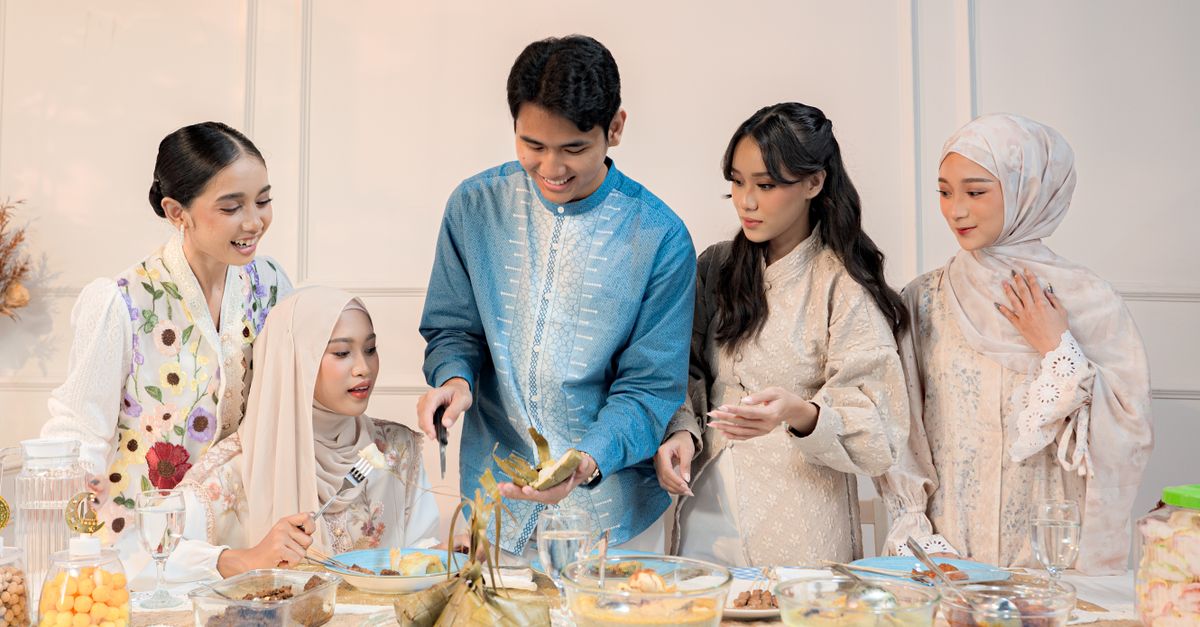
In Malaysia, Hari Raya Aidilfitri marks the end of the fasting month of Ramadan and involves prayers, family visits and shared meals. The festival is experienced both at home and in public spaces: families come together, often wear traditional clothes and welcome neighbours or friends for an open house. Practices vary between regions and families, but hospitality and the pleasure of reconnecting with loved ones remain central.
For visitors, this period offers a chance to discover Malaysian traditions through everyday gestures: an open door, a warm welcome and dishes prepared to be shared. It also requires some awareness, as certain shops or services may operate differently during the festivities. Observing local customs, accepting an invitation tactfully and checking travel arrangements can help you make the most of the atmosphere. The broader guide to Malaysian culture can also help put these customs into context.
In brief

Hari Raya Aidilfitri, also called Hari Raya Puasa in Malaysia, takes place at the end of Ramadan. It combines a religious dimension with reunions: the day often begins with Eid prayer and continues with meals and visits. Families do not all follow exactly the same programme, but the celebration generally places great importance on family ties and sharing.
Greetings contribute to the atmosphere of reconciliation and goodwill. You may hear “Selamat Hari Raya”, a greeting addressed to people celebrating the festival. In some households, family members ask their elders for forgiveness or exchange words of reconciliation. For a visitor, a simple warm greeting is welcome; there is no need to know every ritual to show respect.
The festival is celebrated in a diverse country where traditions and habits differ between communities, regions and family histories. It is therefore best not to assume that every household organises an identical ceremony. Invitations, dishes served and the course of the day depend on the family hosting.
Festive decorations also offer a glimpse of this period: homes and shops may be decorated with colourful patterns, lanterns or elements associated with the festival. These details create a distinctive atmosphere, but their presence and style vary from place to place. The heart of the celebration lies less in the decorations than in welcoming others and spending time with loved ones. Hari Raya is part of Malaysia’s wider calendar of national and religious festivals.
Family visits often shape the rhythm of Hari Raya. Relatives travel from one home to another, sometimes returning to their hometown, to see family and friends. This movement between homes explains why roads and public transport may be busier around the festival. Conditions vary according to location and date, so it is sensible to check with transport operators before travelling.
An open house is a particularly visible form of hospitality during this period. A household welcomes guests during an announced time window, and visitors can come to share a meal or a few sweet treats. Some receptions are organised by families, while others are hosted by associations, companies or institutions. This format makes the celebration accessible to people outside the immediate family circle.
If you are invited, simply ask your host whether there is a preferred time to arrive and whether they would like you to bring anything. In many cases, the host has already prepared the meal; a small gift may be appreciated, but it should not be regarded as compulsory. Removing your shoes at the entrance is a sign of respect in many Malaysian homes: observe what other guests do or ask for advice.
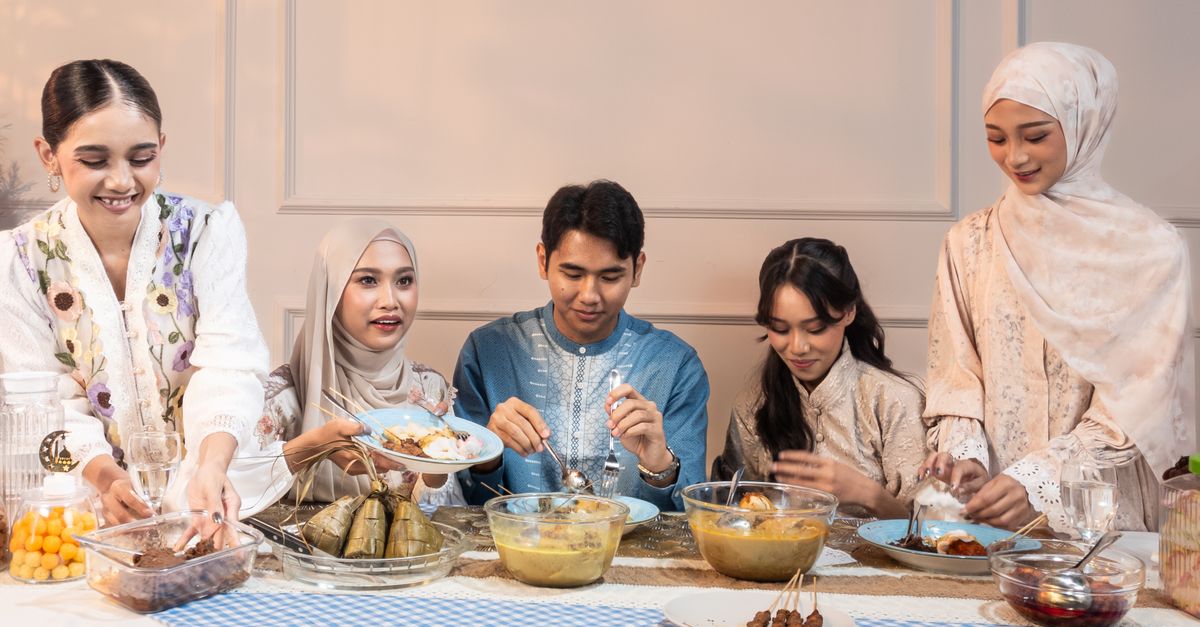
At the table, trying the dishes offered and thanking your host are simple ways to show your interest. Food customs can vary; if you have an allergy or dietary restriction, mention it clearly before eating. An open house is not merely a reception: it allows people of different ages and backgrounds to meet in a friendly setting.
For Hari Raya, many people choose to wear traditional clothes, although this is not a rule imposed on everyone. Common outfits include the baju kurung and baju Melayu, worn in a range of styles and colours. Families may coordinate their clothes for photographs or choose colours that evoke the festival. Preferences vary from person to person: a neat and modest outfit is also suitable for a visitor.
For an invitation to someone’s home, choose clean clothes that are respectful of the family setting. There is no need to buy a particular outfit or imitate your hosts’ clothing choices. If you would like to wear traditional clothing, you can ask a local person for advice about the cut and how to wear it; this avoids awkward mistakes and shows genuine interest.
Decorations installed in homes, shopping centres and public spaces contribute to the festive atmosphere. They may feature geometric patterns, lights and colours associated with the celebration. Commercial displays do not, however, reflect the full diversity of customs: homes may remain very simple, while some families attach great importance to preparing their interiors.
Photographs are often a way to preserve memories of gatherings, but it is courteous to ask before photographing people, particularly children or guests in a private space. The same consideration applies to places of prayer: follow posted instructions and the guidance of those responsible. Respecting privacy is as much a part of hospitality as the visit itself.
To get online as soon as you land, a Malaysia eSIM can be installed before you leave, with no need to look for a local SIM card.
Food is one of the highlights of Hari Raya. Tables may feature savoury dishes, side dishes and sweet treats prepared according to the household’s traditions. Rendang, ketupat, lemang and festive biscuits are often associated with the celebrations, but menus vary between regions and families. They are best regarded as popular examples, not as a compulsory menu.
Ketupat is rice cooked in a woven casing, while lemang is traditionally made with glutinous rice and coconut milk in a bamboo tube. Rendang is a slow-cooked dish whose recipes vary, particularly in their seasoning and level of spiciness. These preparations illustrate the diversity of Malaysian food and the importance of collective work: cooking for a reception often requires advance family organisation.
Biscuits and small sweet treats are easy to share during visits. They allow hosts to offer a bite even when guests are not staying for a full meal. As a visitor, try them if you wish, without feeling obliged to finish every dish; a specific compliment about a flavour or preparation sounds more natural than repeating a general comment.
Recipes also evolve with the tastes and habits of each household. Some families prefer homemade preparations, while others supplement their table with shop-bought dishes. To discover ingredients and specialities in a broader context, see the guide to Malaysian cuisine.
Festivities can change the usual pace of a city, especially when large numbers of people travel to see their families. Some shops or services may close, reduce their opening hours or become very busy. These changes are not uniform: check opening hours directly with the establishment concerned and consult transport information before setting off.
If you are staying in a large city, the atmosphere depends on the neighbourhood. Commercial areas may offer decorations and events, while residential streets host family gatherings. To choose suitable activities, the guide to things to do in Kuala Lumpur can help you organise visits outside the times set aside for reunions.
The weather can also affect your plans, particularly if you intend to walk or attend an outdoor reception. Consult the guide to the climate in Malaysia to prepare your clothes and journeys more effectively. For travel between cities, the guide to transport in Malaysia provides useful pointers; availability and timetables should nevertheless be checked with the operators.
Finally, adapt your plans to the invitation rather than trying to fit in as many visits as possible. Arriving on time, following the household’s guidelines and allowing your host to guide you will make the meeting more enjoyable. It is often through these simple exchanges that visitors best understand the hospitality associated with Hari Raya Aidilfitri.
It is the celebration marking the end of Ramadan. It is often devoted to prayer, family reunions, shared meals and visits.
Clean, neat clothing that is respectful of the family setting is suitable. Traditional clothes are appreciated by some people, but they are not compulsory for visitors.
It is a reception during which a household welcomes guests to share a meal or sweet treats. Arrangements vary according to the host, so it is useful to ask in advance when to visit and whether you should bring anything.
Depending on the family, you may find rendang, ketupat, lemang and festive biscuits. Menus vary according to the region and each household’s habits.
Operations vary according to the city, service and day. Check opening hours and travel conditions with the relevant shops and operators before setting off.
To book tours and activities in Malaysia ahead, see the options on Klook.
Discover Pulau Ketam, the fishing island near Kuala Lumpur, with stilt houses, seafood, mangroves and a distinctive coastal village.
See fireflies along the Selangor River and silvered leaf monkeys at Bukit Melawati in Kuala Selangor, with practical wildlife tips.
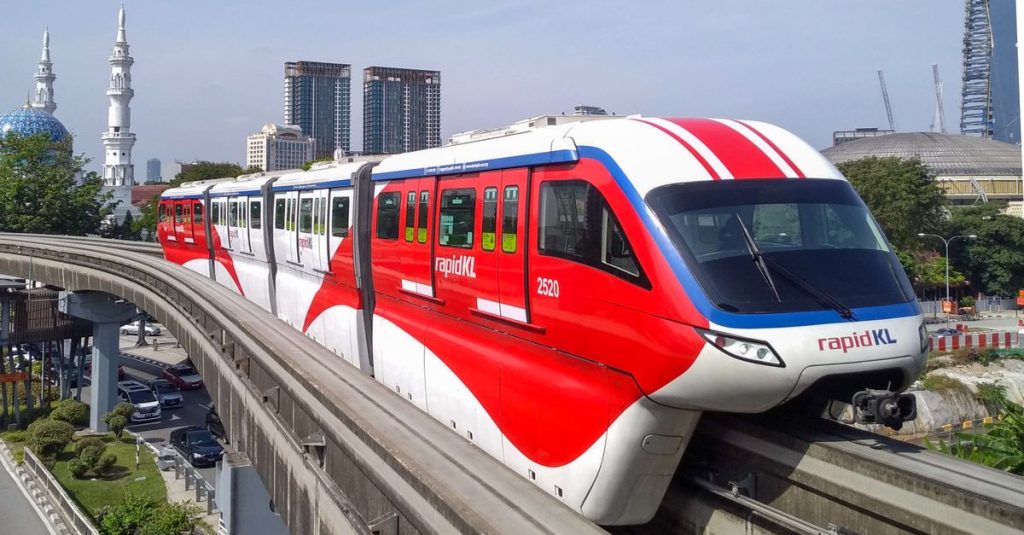
Compare the ETS train and bus from Kuala Lumpur to Ipoh, including journey times, transport options and practical tips for choosing.
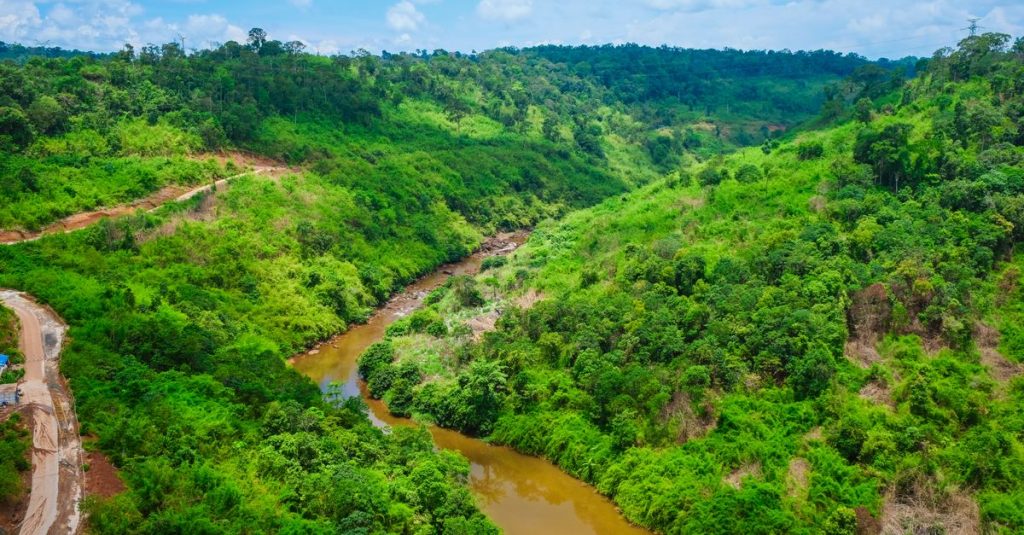
Explore Danum Valley, Borneo’s ancient rainforest, with its remarkable biodiversity, orangutans, guided walks, access details and practical advice.
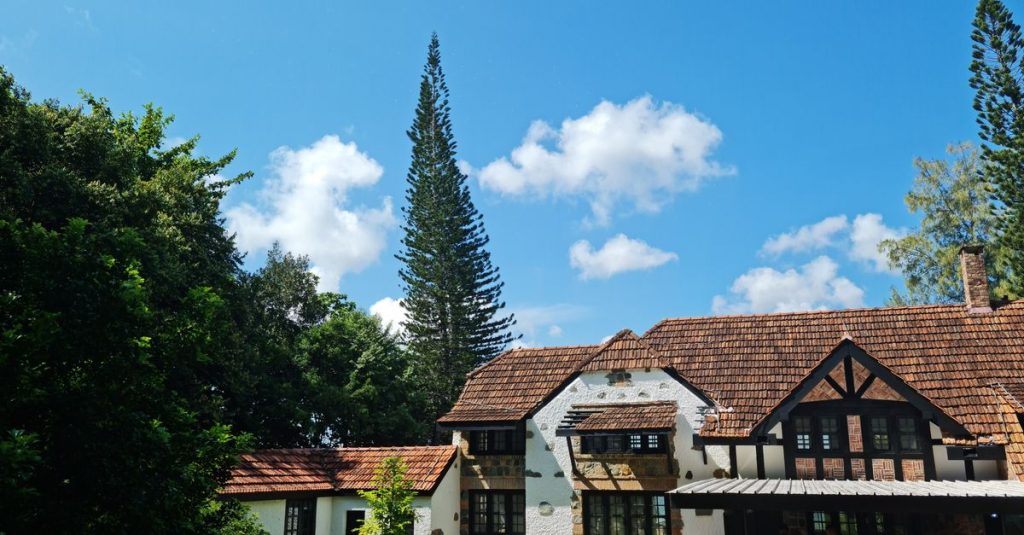
Discover Fraser’s Hill, a peaceful mountain retreat near Kuala Lumpur, with tropical forest, cool weather, hiking trails and birdwatching.
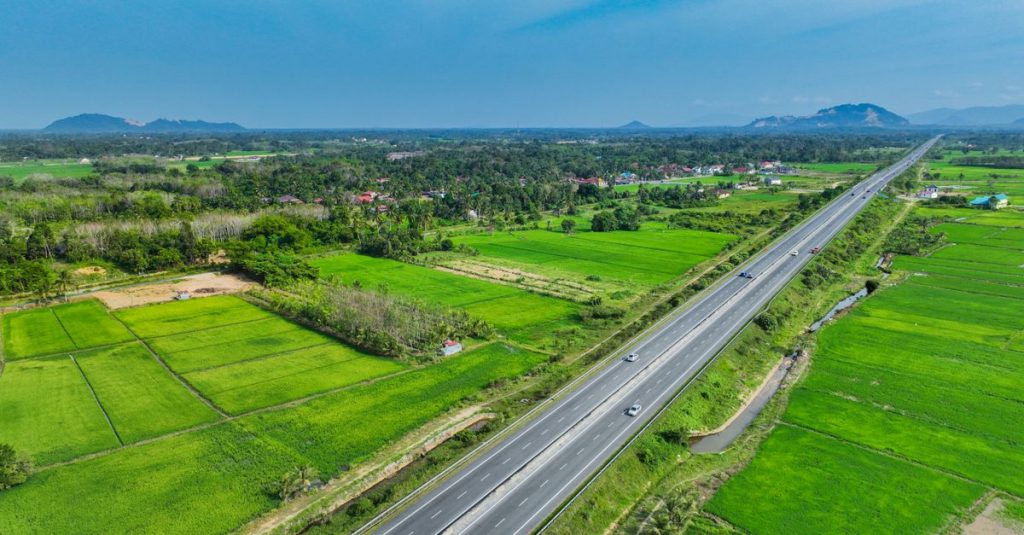
Discover what to do in Kota Bharu and how to reach the Perhentian Islands, with cultural visits, transport options and practical travel tips.
Discover S-MM2H, Sarawak’s long-stay programme: eligibility, benefits, application steps and checks before living in Malaysia.
Discover Thean Hou Temple in Kuala Lumpur, with practical advice on visiting, access, transport, opening hours and respectful behaviour.
Scroll to see more articles →