
Pulau Ketam: The Fishing Island Near Kuala Lumpur
Discover Pulau Ketam, the fishing island near Kuala Lumpur, with stilt houses, seafood, mangroves and a distinctive coastal village.
Published on
Gunung Mulu National Park, in the Malaysian state of Sarawak, is best explored through its vast caverns, limestone karst landscape and rainforest trails. Mulu’s caves, particularly Deer Cave and Clearwater Cave, can be visited on tours organised by the park; the Mulu Pinnacles, however, require a demanding hike and more thorough preparation. Access to Gunung Mulu depends on available connections and should be arranged in advance: check flights, visiting conditions and park rules with operators and the official administration before setting off.
In brief

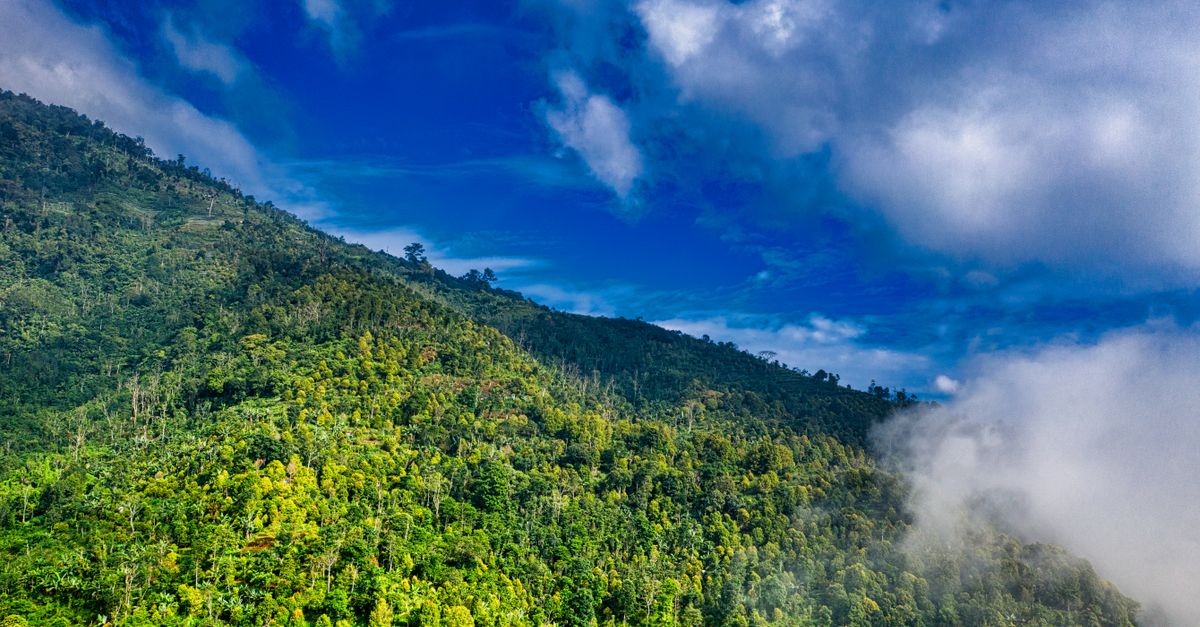
Gunung Mulu National Park lies in a mountainous, rainforest-covered region in north-eastern Sarawak. Its landscape combines peaks, humid valleys and an extensive limestone karst, a soluble rock in which water has carved galleries, cavities and steep formations. This geology explains the diversity of the scenery: above ground, trails cross dense vegetation; underground, visitors discover chambers and subterranean rivers.
The park is therefore more than a collection of caves. Its forest is home to remarkable biodiversity, and the habitats vary according to altitude, exposure and proximity to water. To place Mulu within Malaysia’s wider natural areas, the guide to biodiversity and parks in Malaysia allows you to compare its landscapes with those of other regions.
This natural wealth also calls for respectful visits. Stay on authorised routes, avoid touching mineral formations and do not leave rubbish behind. In the caves, guides’ instructions protect both visitors and fragile environments; in the forest, keeping quiet makes it possible to observe wildlife without disturbing it. The landscape is spectacular, but it is the preservation of its ecosystems that gives the park its true distinctiveness.
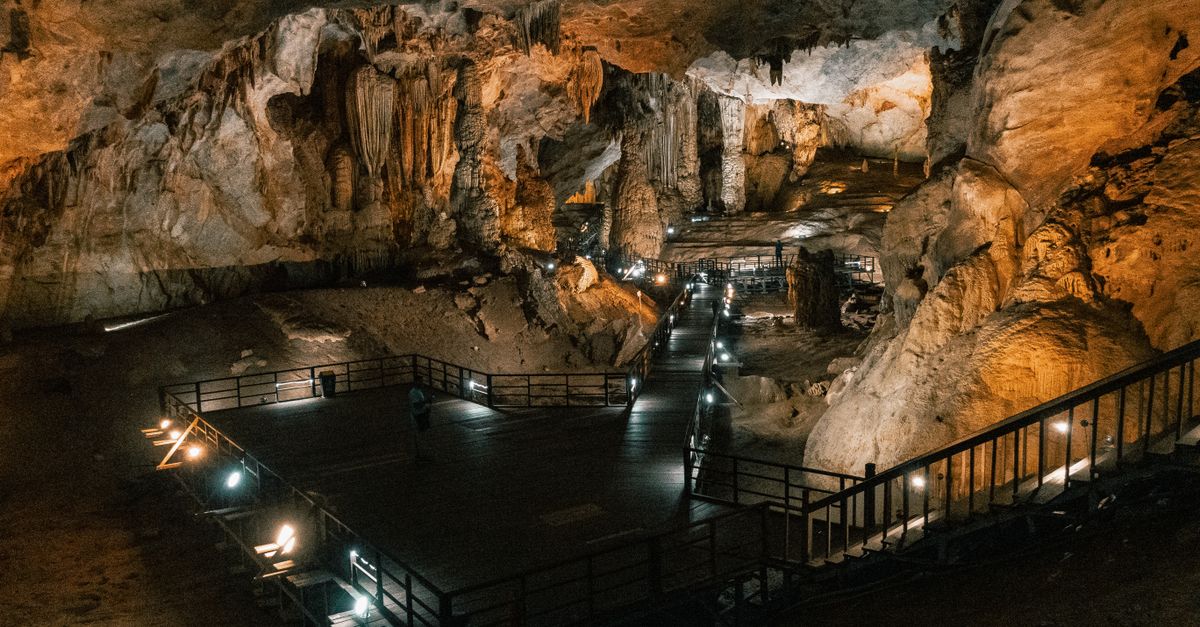
Mulu’s caves are visited in very different settings. Deer Cave is known for its vast interior spaces and monumental opening onto the forest. The route helps visitors understand how water and limestone shaped the underground network, while changing light gradually reveals the scale of the cavern. The visit takes place with suitable supervision: grippy footwear, care on wet surfaces and respect for instructions are essential.
Clearwater Cave offers a different experience, linked to the presence of water and karst formations. Depending on the available circuit, the experience may combine boat travel and walking. River conditions and visiting arrangements may change, so confirm with the park what is open and what is included before planning your itinerary. Sarawak’s caves are not all alike; each has its own landscape, atmosphere and level of walking.
To enjoy these visits, it is better not to try to fit everything in without a break. Humidity, stairs and sometimes uneven ground can be more tiring than a walk in town. A torch may be useful on some routes, but the equipment provided and rules for visitors vary by activity. The most practical approach is to choose visits according to your comfort with walking and the time you genuinely have available.
The Mulu Pinnacles are limestone needles rising above the forest, in a landscape quite different from that of the developed caves. Their silhouette attracts hikers, but the excursion requires good physical fitness and serious preparation. The route includes steep slopes and sections where balance matters; this is not an outing to improvise after an underground visit.
The hike is organised according to park rules and the possibilities for guiding and accommodation along the route. Availability, weather conditions and registration requirements may change. Before booking, ask the park administration which steps are necessary, what equipment is recommended and whether the route is practicable on your intended dates. In rain or waterlogged conditions, the effort and risks increase.
A light pack, well-worn hiking shoes, rain protection and an adequate supply of water are sensible basics, to be confirmed with your guide. You should also accept that visibility may vary with the clouds. Success does not depend only on reaching the viewpoint: knowing when to turn back if conditions deteriorate is part of a well-prepared hike.
To get online as soon as you land, a Malaysia eSIM can be installed before you leave, with no need to look for a local SIM card.
Getting to Gunung Mulu is an important part of the planning, as the park is far from major urban centres. Air connections to Mulu Airport are one option to consider, but routes and frequency depend on the period and the carriers. It is wise to check timetables directly with the airlines and allow extra time in case of changes. Overland or river journeys may also depend on local conditions and should not be treated as a straightforward solution without recent confirmation. For wider information on getting around the country, see this guide to transport in Malaysia.
Book activities and accommodation with transport times, arrival times and available capacity in mind. Guided visits, excursions to the Pinnacles and transfers do not necessarily follow the same timetable. Prices, schedules, available places and entry formalities change: check them with the relevant official organisations rather than relying on old information.
| What to arrange | Why check it | Practical advice |
|---|---|---|
| Transport to Mulu | Connections and timetables may vary. | Confirm journeys with carriers before booking activities. |
| Cave visits | Routes and availability depend on the park’s programme. | Choose circuits according to walking time and access conditions. |
| Hike to the Pinnacles | The route requires suitable preparation and supervision. | Ask the park about arrangements, equipment and recent conditions. |
| Accommodation | Staying locally makes early departures and visits easier. | Book in line with transport times and excursions. |
If your journey goes through Kuching, Sarawak’s capital can complement your stay with an urban and cultural visit. The guide to things to do in Kuching helps you organise this stop without confusing its distances with those of the park. Treat Mulu as a destination in its own right: your itinerary should allow time for travel and weather-related uncertainties.
Hiking in Mulu takes place in a hot, humid environment where a downpour can make trails slippery. The guide to the climate in Malaysia provides general pointers, but the local conditions on the day remain decisive. Pack quick-drying clothing, rain protection and footwear suited to the terrain; for a demanding outing, ask your guide to confirm the necessary equipment list.
It is useful to distinguish developed walks from more committed routes. A cave visit may include many steps or uneven surfaces without requiring the same effort as an ascent to the Pinnacles. If you are travelling with children, someone unaccustomed to walking or a group with different fitness levels, choose the route according to the least confident member. The beauty of the site is no reason to exceed your abilities.
The rainforest also means protecting your belongings from moisture. A dry bag or cover protects documents and devices, while a small first-aid kit may be useful on the trails. Insects and leeches may be present depending on the location and conditions; ask park staff which precautions are appropriate. Simple preparation improves comfort and allows you to focus on the landscape rather than unexpected problems. Further advice is available in this guide to travelling safely in Malaysia.
Check connections to Mulu with carriers, then confirm transfers, accommodation and visits with the park. Timetables and availability may change.
The route involves walking and surfaces that may be wet or uneven. Ask the park about the circuit’s requirements and choose according to each participant’s abilities.
The excursion should be prepared according to the park’s rules and organisation. Confirm guiding arrangements, registration and required equipment directly before setting off.
This can be planned if the schedule of visits, transport and level of effort allow it. Leave some flexibility and check availability rather than creating an overly tight itinerary.
To book tours and activities in Malaysia ahead, see the options on Klook.
Discover Pulau Ketam, the fishing island near Kuala Lumpur, with stilt houses, seafood, mangroves and a distinctive coastal village.
See fireflies along the Selangor River and silvered leaf monkeys at Bukit Melawati in Kuala Selangor, with practical wildlife tips.

Compare the ETS train and bus from Kuala Lumpur to Ipoh, including journey times, transport options and practical tips for choosing.
Explore Danum Valley, Borneo’s ancient rainforest, with its remarkable biodiversity, orangutans, guided walks, access details and practical advice.
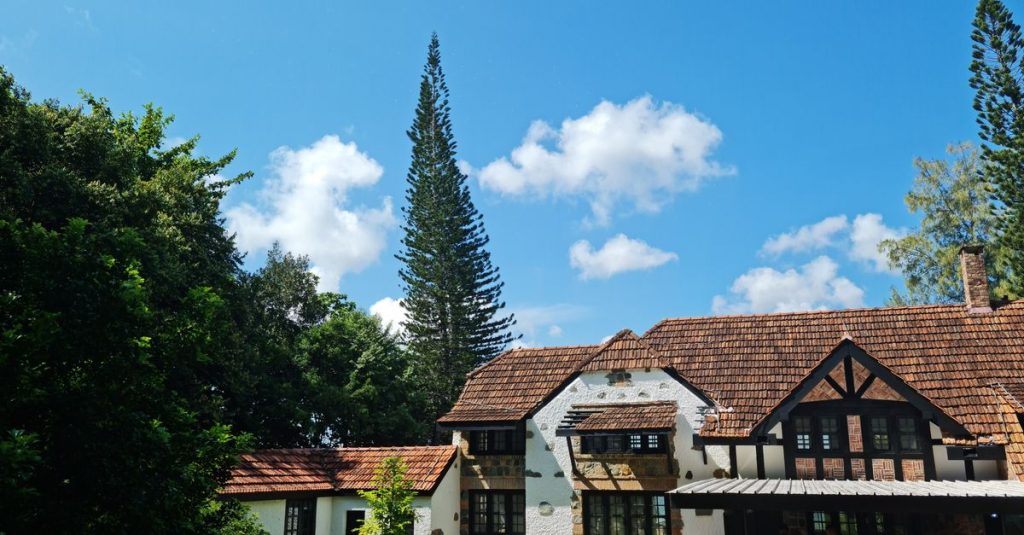
Discover Fraser’s Hill, a peaceful mountain retreat near Kuala Lumpur, with tropical forest, cool weather, hiking trails and birdwatching.

Discover what to do in Kota Bharu and how to reach the Perhentian Islands, with cultural visits, transport options and practical travel tips.

Discover S-MM2H, Sarawak’s long-stay programme: eligibility, benefits, application steps and checks before living in Malaysia.

Discover Thean Hou Temple in Kuala Lumpur, with practical advice on visiting, access, transport, opening hours and respectful behaviour.
Scroll to see more articles →