Wildlife observation in Taman Negara
Immerse yourself in the heart of the Malaysian jungle, one of the oldest in the world, and observe exceptional biodiversity. From night safaris and guided hikes to suspension bridges, Taman Negara offers a unique immersion in the natural habitat of rare species such as the Malayan tiger, pygmy elephant and Sumatran rhinoceros. An unforgettable adventure for nature and wildlife lovers.
Book an excursion on Klook →
Why visit Taman Negara for wildlife observation?
Taman Negara, one of the oldest tropical ecosystems in the world, is a paradise for nature and wildlife enthusiasts. Unlike traditional animal reserves, this national park offers an immersive experience where wildlife roams completely free. Night safaris, guided hikes and suspension bridges allow you to observe rare species in their natural habitat, away from the tourist crowds. An authentic adventure that reveals the unsuspected richness of Malaysian biodiversity.
Book your excursions & activities in Taman Negara
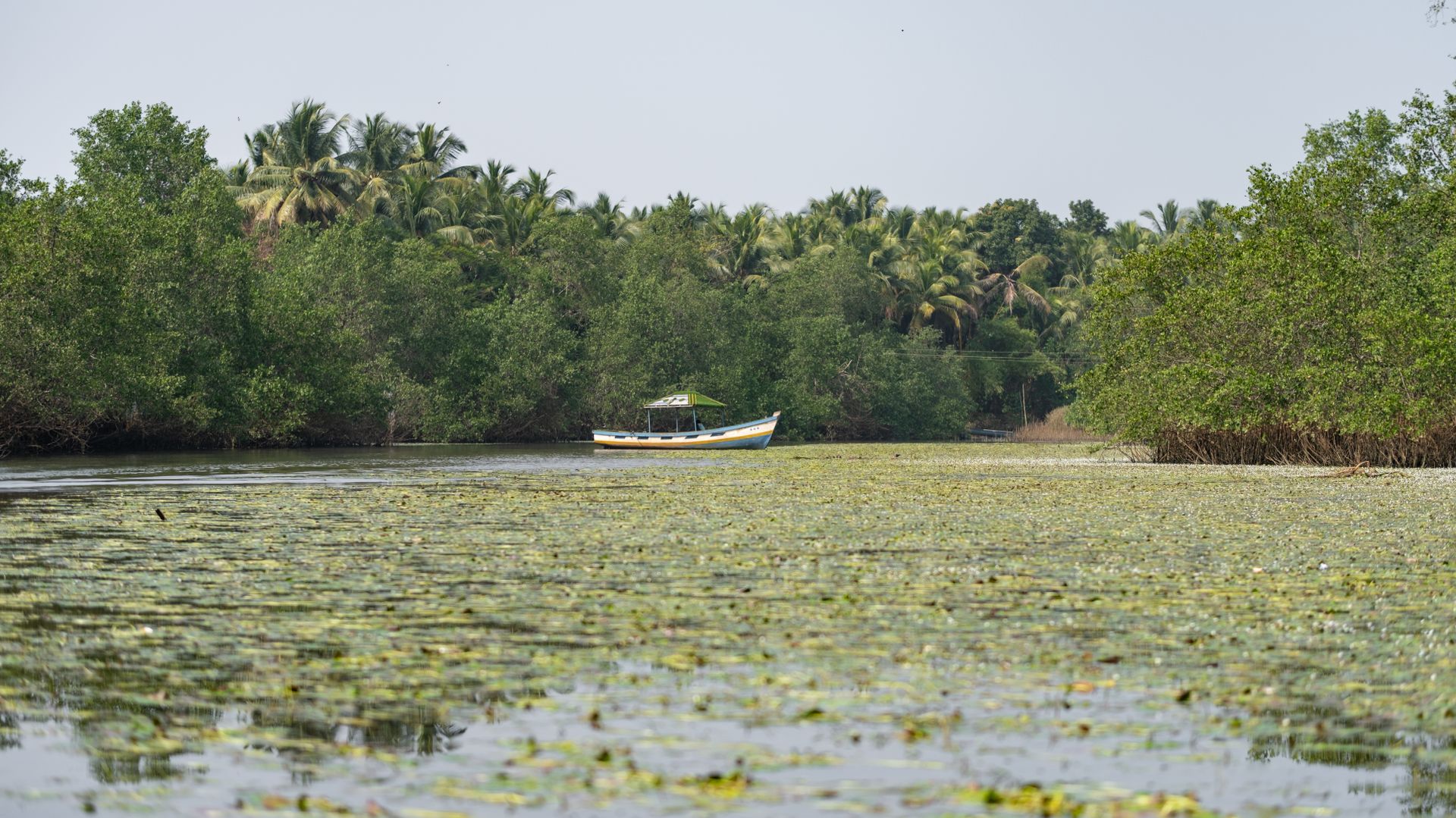
Night safaris, guided hikes and boat excursions on Klook, Asia's No. 1 activities platform: flexible cancellation, experienced local guides and options to suit every budget.
Affiliate link — booking through this link supports us, at no extra cost to you.
A little history
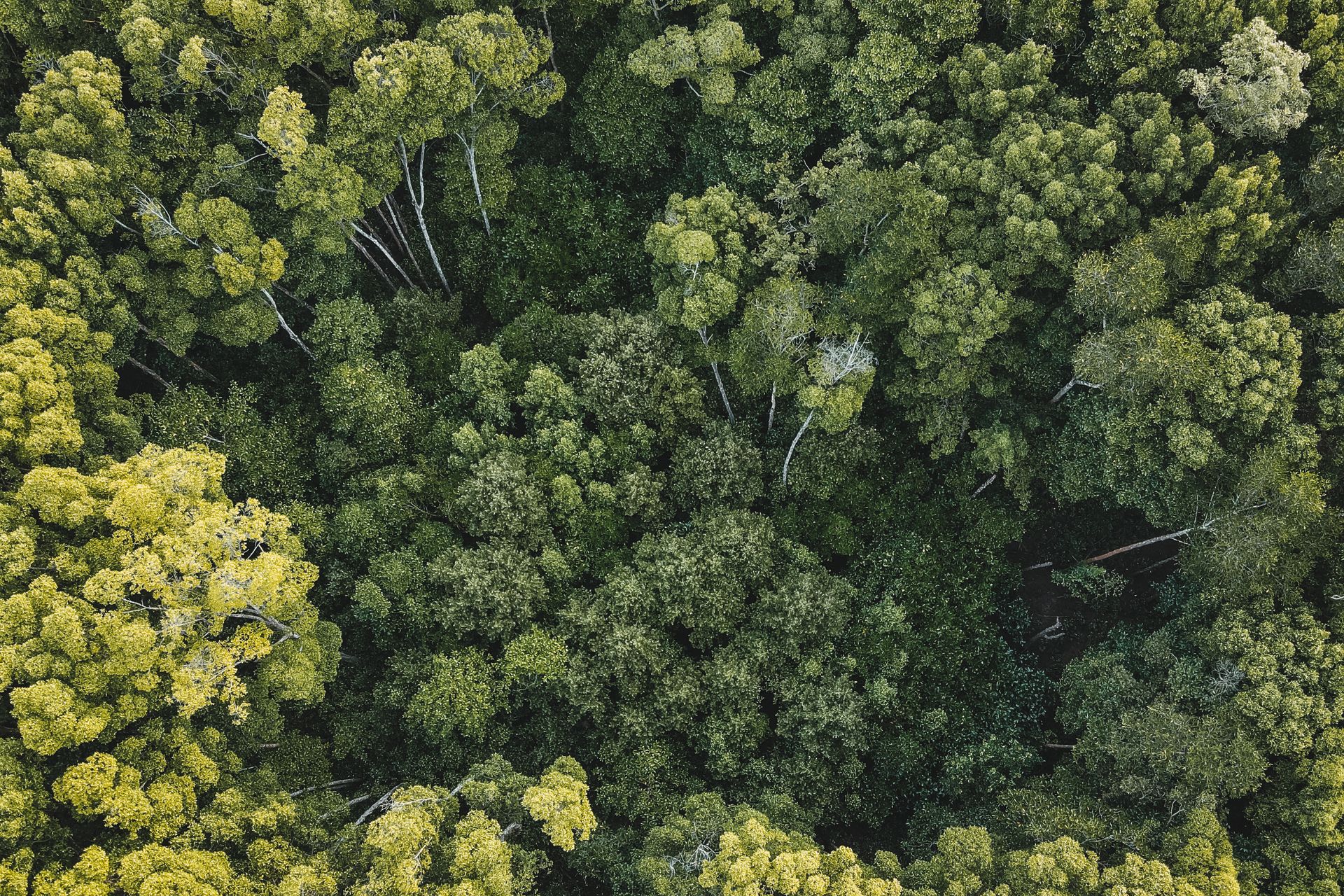
Taman Negara, which means "national park" in Malay, is one of the oldest tropical ecosystems in the world, with a history dating back more than 130 million years. Created in 1938 under the name "King George V National Park", it was renamed after Malaysia gained independence to reflect its national importance. This park, which extends across three states (Pahang, Kelantan and Terengganu), is a sanctuary for endangered species such as the Malayan tiger and Sumatran rhinoceros. Its difficult access has helped preserve its exceptional biodiversity, making Taman Negara a unique ecological gem in Southeast Asia.
What can you see when observing wildlife?
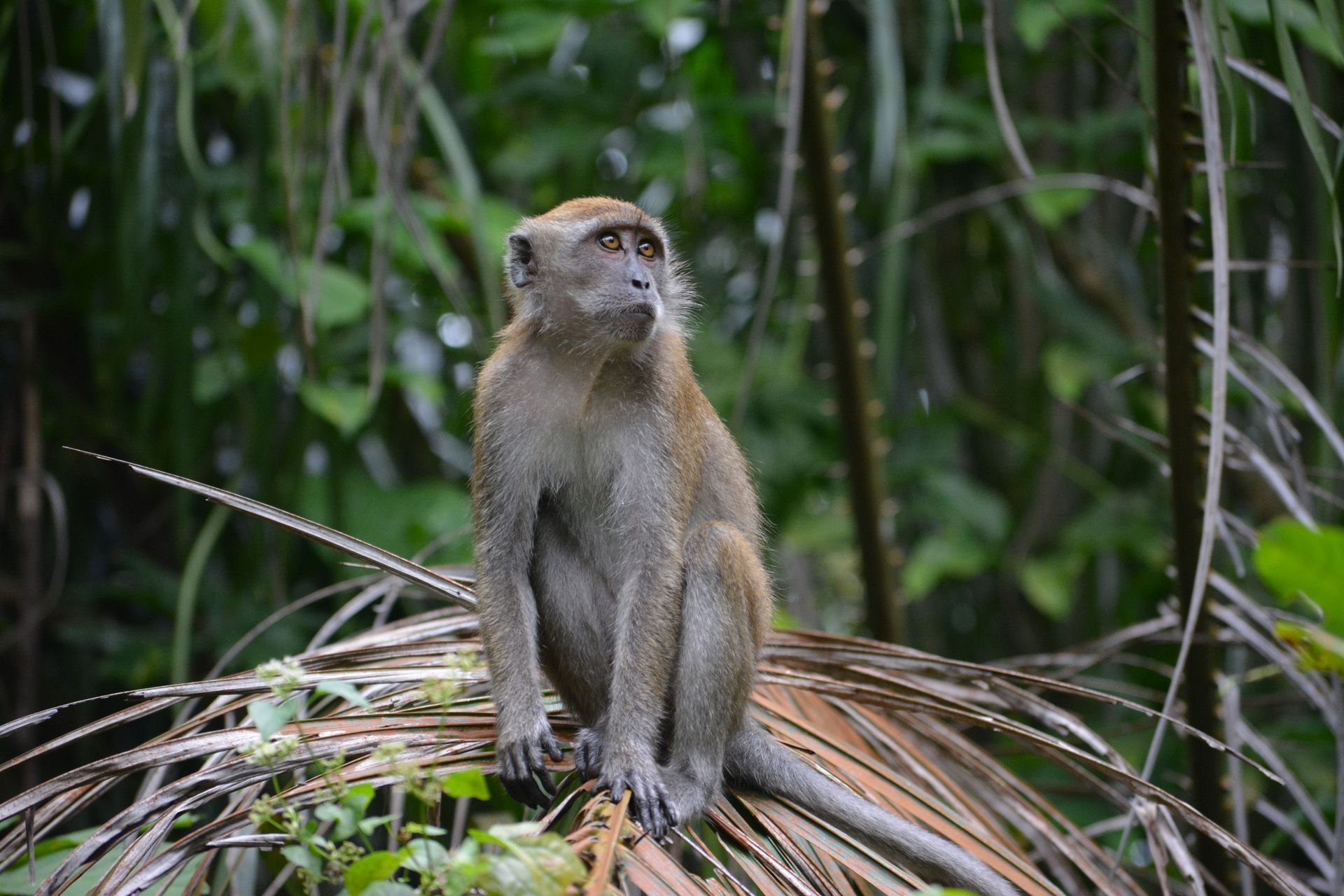
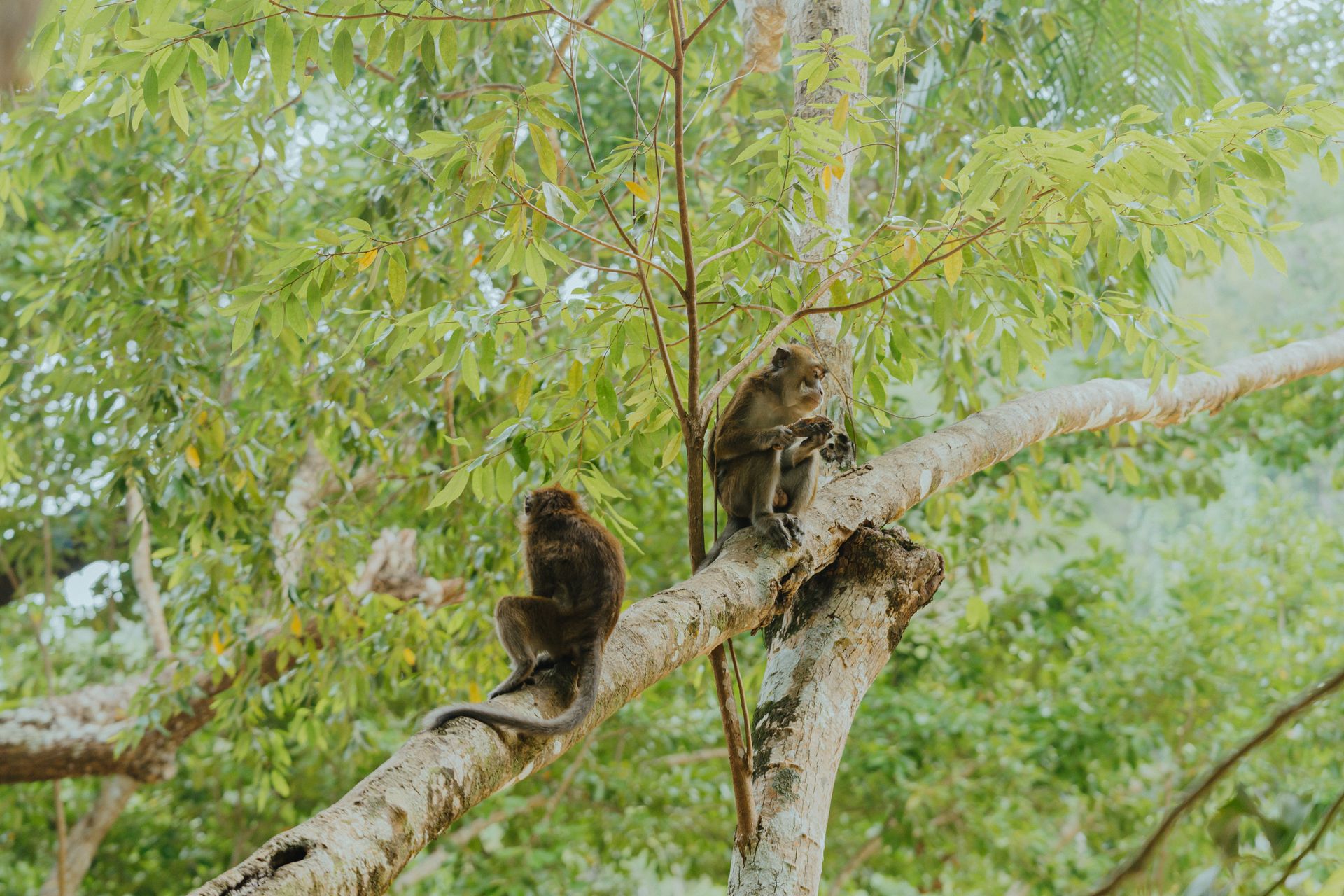
Wildlife observation in Taman Negara takes many unique forms. Night boat safaris on the river offer the chance to spot nocturnal animals such as bearded pigs, civets and bats. Guided hikes through the jungle allow you to observe exotic birds, monkeys (macaques, gibbons) and, with a little luck, pygmy elephants or leopards. The 530-metre Canopy Walk suspension bridge offers breathtaking views over the canopy and its inhabitants. Finally, the observation posts scattered throughout the park are ideal for discreetly watching wildlife without disturbing it.
Local guides, often from Orang Asli communities (indigenous peoples), share their in-depth knowledge of the jungle and its inhabitants. Their expertise considerably increases the chances of spotting rare species. Excursions generally include the necessary equipment (binoculars and torches for night safaris) and stops in strategic areas to maximise sightings.
How do you get there?
To reach Taman Negara, most visitors travel from Kuala Lumpur or Kuala Tahan, the park's main gateway village. From Kuala Lumpur, direct buses connect the capital to Jerantut, where minivans or taxis complete the journey to Kuala Tahan (allow a few hours on the road in total). A more scenic alternative is to take a train to Jerantut, then continue by taxi or local bus. For those who prefer to avoid changing, organised excursions from Kuala Lumpur often include return transport, greatly simplifying the arrangements.
Once in Kuala Tahan, a boat (allow a few ringgit) is needed to cross the river and reach the park. Wildlife observation excursions generally depart from the visitor centre, where you can book guides and activities on site. For more information about transport in Malaysia, see our guide Getting around Malaysia.
Tip: set up a Malaysia eSIM before departure so your data works on arrival.
Our wildlife observation tips
To maximise your chances of observing wildlife, opt for night safaris, when animals are most active. Wear neutral colours (green, brown, beige) to blend into the landscape and avoid perfumes or scented deodorants that could alert the animals. Bring a torch with a red filter for night-time observations, as this colour disturbs wildlife less. Stay quiet and patient: observing wildlife takes time and discretion.
Also pack lightweight but covering clothing to protect yourself from mosquitoes and stinging plants, as well as an effective insect repellent. Closed hiking shoes are essential for muddy and slippery trails. Finally, always follow your guide's instructions and never feed the animals, even those that may appear harmless. To find out more about what equipment to bring, see our guide Preparing for your trip to Malaysia.
When should you go?
The best time to observe wildlife in Taman Negara is from March to September, during the dry season. Animals gather near water sources at this time, making them easier to spot. Temperatures are also milder, with hot but bearable days and cool nights. Avoid the rainy season (November to February), when trails may be flooded and excursions cancelled due to weather conditions.
For an even more immersive experience, plan your visit during full moon periods, when night safaris are particularly magical. Animals are more active and visibility is better. Whatever time you choose, allow at least 2 to 3 days there to maximise your chances of spotting wildlife and make the most of the jungle. To plan your trip, see our guide When to visit Malaysia.
Still haven’t booked a flight to Malaysia?
Compare flights to Kuala Lumpur or Kota Bharu — live updates.
Frequently asked questions
What species can you see in Taman Negara?
Taman Negara is home to exceptional biodiversity. Mammals include pygmy elephants, Malayan tigers (very rare), leopards, bearded pigs, sambar deer, gibbons and macaques. More than 350 bird species have been recorded, including hornbills, pheasants and eagles. Reptiles (snakes, monitor lizards) and insects (giant butterflies, stick insects) are also abundant.
Should you book a guide to observe wildlife?
Yes, it is strongly recommended that you book a local guide for wildlife-watching excursions. Guides know the animals’ habits and where to find them. They also provide binoculars and torches for night safaris, and share fascinating stories about the jungle. Guided excursions can be booked on site or online through platforms such as Klook.
Are night safaris safe?
Yes, night safaris are safe as long as you follow the safety instructions. Excursions always take place in a group with an experienced guide. The boats are equipped with powerful lights, and guides are trained to spot animals without disturbing them. It is important to remain quiet and follow the guide’s instructions to avoid any risks.
Can you observe wildlife without a guide?
It is possible to explore some of the park’s trails without a guide, but your chances of spotting wildlife are much lower. Wild animals are elusive and generally avoid humans. In addition, some trails may be dangerous without assistance (you could get lost, encounter dangerous animals or enter restricted areas). For the best experience, opt for guided excursions.
What is the best time of day to observe wildlife?
The best time to observe wildlife is early in the morning (between 6am and 9am) or late afternoon (between 4pm and 7pm), when animals are most active. Night safaris (from 8pm onwards) are also very productive, as many species only come out at night. Avoid the hottest hours of the day (10am–3pm), when most animals rest in the shade.
Other things to see in Taman Negara
Canopy Walk
The longest suspended walkway in Southeast Asia.

Lubok Simpon Rapids
Swimming and picnicking in a wild setting.
Gunung Tahan
The highest peak on the Malaysian Peninsula.

Orang Asli Village
Discovering the culture of indigenous peoples.
Gua Telinga Cave
Exploring rock formations and bats.
Fishing on the river
A relaxing activity in the heart of the jungle.
Still haven’t booked a flight?
Compare flights to Malaysia and find the best fare for reaching Taman Negara.
See flights to Malaysia