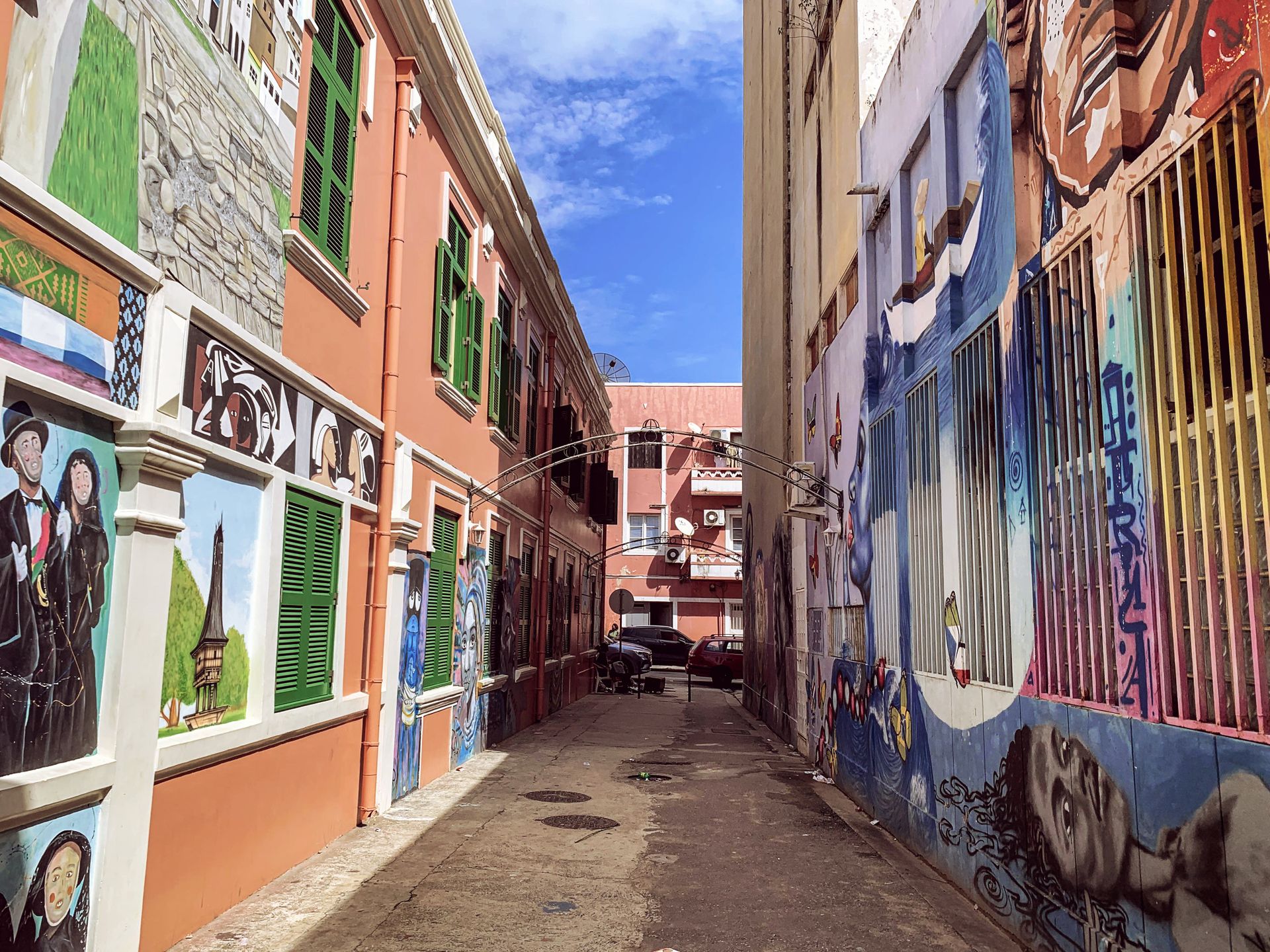
Ipoh Old Town & street art
Immerse yourself in Ipoh’s historic soul through its colonial alleyways, vintage cafés and vibrant street art. The old town, birthplace of the tin-mining golden age, combines retro charm and contemporary creativity for an unforgettable stroll in the heart of Peninsular Malaysia.
Book a guided tour on Klook →
Why visit Ipoh Old Town & its street art?
Ipoh Old Town is a journey back in time, where British colonial architecture stands alongside modern murals. Once the world’s tin-mining capital, Ipoh has preserved its old-world charm with colourful shophouses, vintage cafés and historic buildings. Inspired by local artist Ernest Zacharevic, the street art adds a contemporary touch to this retro setting, turning every alleyway into an open-air gallery. Perfect for photography, history and local culture enthusiasts.

Book your tickets & activities in Ipoh
Discover Ipoh Old Town and its street art with guided tours or combined excursions (Ipoh + Cameron Highlands) on Klook. Enjoy flexible cancellations, verified reviews and secure payments in euros.
Partner link — booking through this link supports us, at no extra cost to you.
A little history
Founded in the late 19th century, Ipoh owes its prosperity to tin mining, which made it one of Malaysia’s wealthiest cities. The old town, its historic heart, bears witness to this golden age with its British colonial buildings, imposing banks and colourful shophouses. After a decline in the 1980s, Ipoh is now experiencing a revival thanks to tourism, attracting visitors with its architectural heritage and vibrant street art, which is bringing its forgotten alleyways back to life.
What to see in Ipoh Old Town?
Ipoh Old Town is best explored on foot, wandering through its picturesque alleyways. Don’t miss:
- The street art: More than 50 murals are scattered around the city, including works by Ernest Zacharevic, famous for his interactive creations. Look for "The Paper Plane" or "The Hummingbird" for memorable photos.
- The shophouses: These distinctive buildings, blending Chinese and European architecture, are home to vintage cafés, craft shops and art galleries.
- Concubine Lane: A narrow, lively alley lined with cafés, shops and street-food stalls, perfect for a tasty break.
- The Tin Museum: Housed in a former mansion, it traces the history of the mining industry that shaped Ipoh.
- The central market: An ideal place to sample local specialities such as "Ipoh hor fun" or "heong peng" biscuits.
Access to the old town is free, and most murals can be seen during the day. Some museums or galleries may charge a few ringgit for entry.
How to get there?
Ipoh Old Town is located in the heart of the city and is easy to explore on foot. Here are the options for getting there:
- From Kuala Lumpur: Take the ETS (Electric Train Service) from KL Sentral to Ipoh railway station. The journey takes around 2h30. From the station, a taxi or Grab will take you to the old town in 10 minutes for a few ringgit.
- By car: Ipoh is accessible via the North–South Expressway (E1). Allow around 2h30 by road from Kuala Lumpur. Public car parks are available near the old town.
- By bus: Several companies connect Kuala Lumpur to Ipoh in around 3 hours. Ipoh’s bus terminal (Terminal Amanjaya) is a 15-minute taxi ride from the city centre.
Once there, the old town is easy to explore on foot. For more details about transport in Malaysia, see our complete guide.
Tip: set up a Malaysia eSIM before departure so your data works on arrival.
Our visiting tips
To make the most of Ipoh Old Town and its street art, here are a few tips:
- Choose cooler hours: Visit early in the morning or late afternoon to avoid the heat and crowds. The murals are more photogenic in soft light.
- Wear comfortable shoes: The paved alleyways and uneven pavements make walking more enjoyable with suitable footwear.
- Try the local specialities: Don’t leave Ipoh without trying "Ipoh hor fun" (rice noodles), "sar hor fun" (noodles in soup) or "heong peng" biscuits (honey-flavoured).
- Respect the area: Some murals are located on private property. Always ask permission before photographing residents or shopkeepers.
- Plan a route: Download a map of the murals or follow a suggested itinerary so you don’t miss anything. Some works are hidden in side streets.
When to go?
Ipoh enjoys a tropical climate with stable temperatures all year round. However, here are a few tips for choosing the best time:
- Avoid the rainy season: From November to February, showers can be frequent and limit your travel around the city. Prefer the months from March to October for drier weather.
- Visit during the week: At weekends, the old town may be busier with locals and tourists. During the week, you’ll enjoy a quieter atmosphere.
- Attend a local event: Ipoh regularly hosts cultural or arts festivals. Find out about events taking place during your visit for a richer experience.
- Allow a full day: To explore the old town, its museums and cafés without rushing, allow at least half a day, or a full day if you want to combine it with other Ipoh attractions.
To plan your trip, see our guide to the climate in Malaysia and our travel budget.
Haven’t booked your flight yet?
Compare flights to Ipoh or Kuala Lumpur — live prices.
Frequently asked questions
Do you have to pay to visit Ipoh Old Town and its street art?
No, access to the old town and most of the murals is free. Only certain museums or galleries may charge a small fee, generally a few ringgits.
What are Ipoh’s most famous murals?
Among the most popular works are "The Paper Plane" (a child launching a paper plane), "The Hummingbird" (a giant hummingbird) and "The Kopi O" (a vintage café scene). These murals are often inspired by local life and signed by artists such as Ernest Zacharevic.
Can you visit Ipoh Old Town in half a day?
Yes, half a day is enough to see the main murals and iconic lanes such as Concubine Lane. However, to explore the museums, cafés and other attractions in greater depth, allow a full day.
Are guided tours available to discover Ipoh’s street art?
Yes, guided walking and cycling tours are available to discover Ipoh’s street art and history. You can book these excursions on platforms such as Klook, with options in French or English.
Which local specialities should you try in Ipoh?
Ipoh is renowned for its noodle dishes, such as "Ipoh hor fun" (flat rice noodles) and "sar hor fun" (noodles in soup). Don’t miss the "heong peng" biscuits (flavoured with honey) and "white coffee" (local coffee roasted with margarine).
What else to see in Ipoh

Haven’t booked your flight yet?
Compare flights to Malaysia and find the best fare for getting to Ipoh.
See flights to Malaysia