Waste Management and Recycling in Malaysia:
A Sovereignty Issue in 2026
Understand the complex stakes of the plastics trade, the new 2025 laws and practical solutions for an eco-friendly life as an expat.
The Paradox of Global Recycling
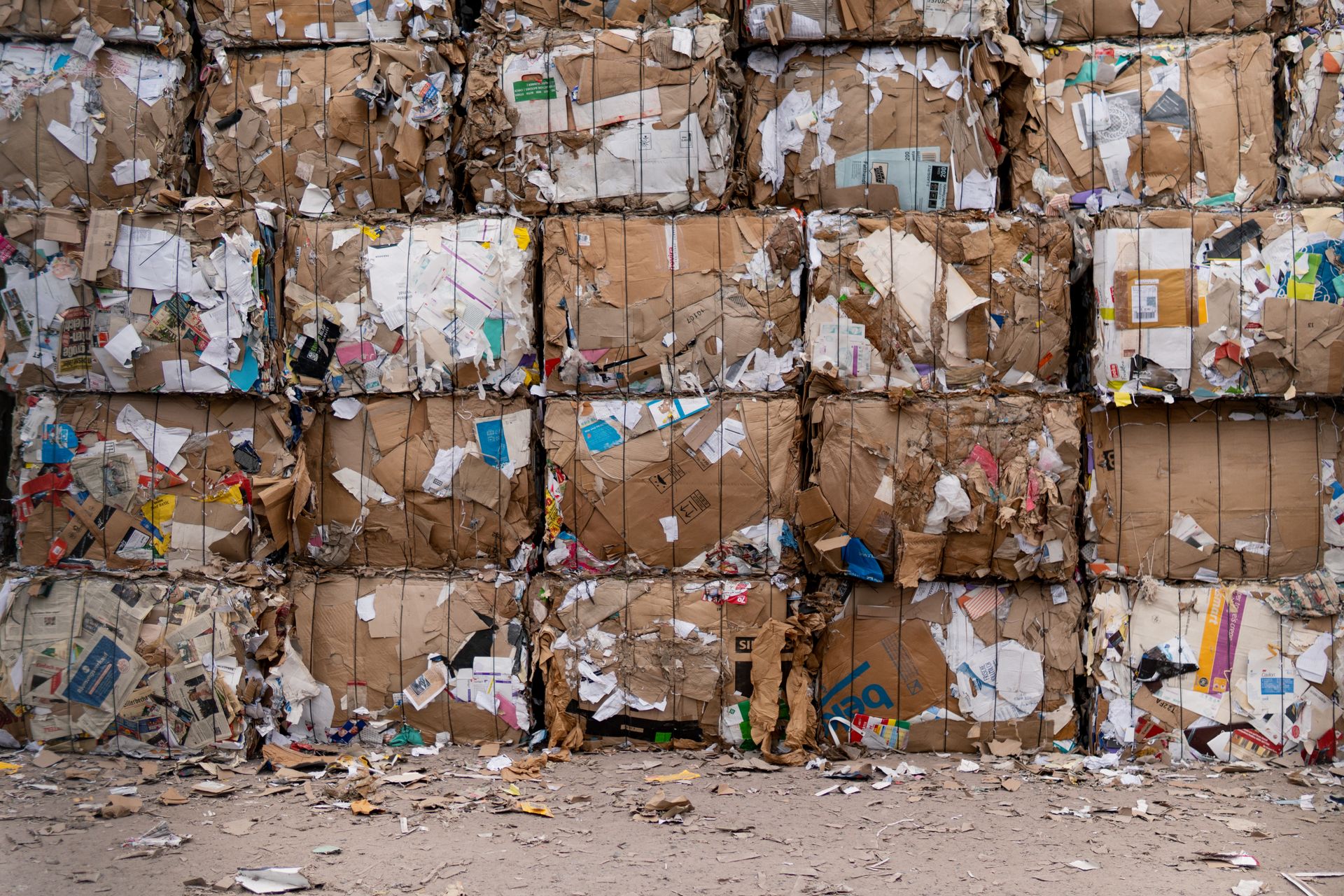
In 2026, waste management is no longer simply a matter of colourful bins, but a genuine geopolitical battlefield. For decades, the global plastic waste management system has rested on a fundamental hypocrisy: high-income countries collect their waste to ease their citizens' environmental conscience, then ship it en masse to low- and middle-income countries.
Malaysia sits at the heart of this turmoil. Long seen as the "world's dumping ground", it has begun a radical transformation. For expats, understanding this dynamic is essential to fitting into an eco-friendly lifestyle in Malaysia and complying with the new local standards.
The year China closed its doors to plastic waste, diverting the flows toward Malaysia.
Illegal recycling factories shut down by the Malaysian government in recent years.
From "Global Dumping Ground" to Legislative Resistance
The modern history of waste in Malaysia changed course in January 2018. Before that date, China imported almost all of the world's plastic waste. Following the Chinese ban ("National Sword"), millions of tonnes of plastic suddenly found themselves with nowhere to go. Malaysia, with its developed ports and its then-permissive legislation, became the prime target of Western exporters.
This trade is not without risks. The myth of recycling has often masked a far darker reality: illegal recycling plants burning plastic in the open air, releasing toxic dioxins, or dumping microplastics into local waterways. Criminal networks took advantage of the lack of oversight to import low-quality waste that was impossible to recycle profitably.
The Major Impacts of Waste Management
A Health and Environmental Emergency
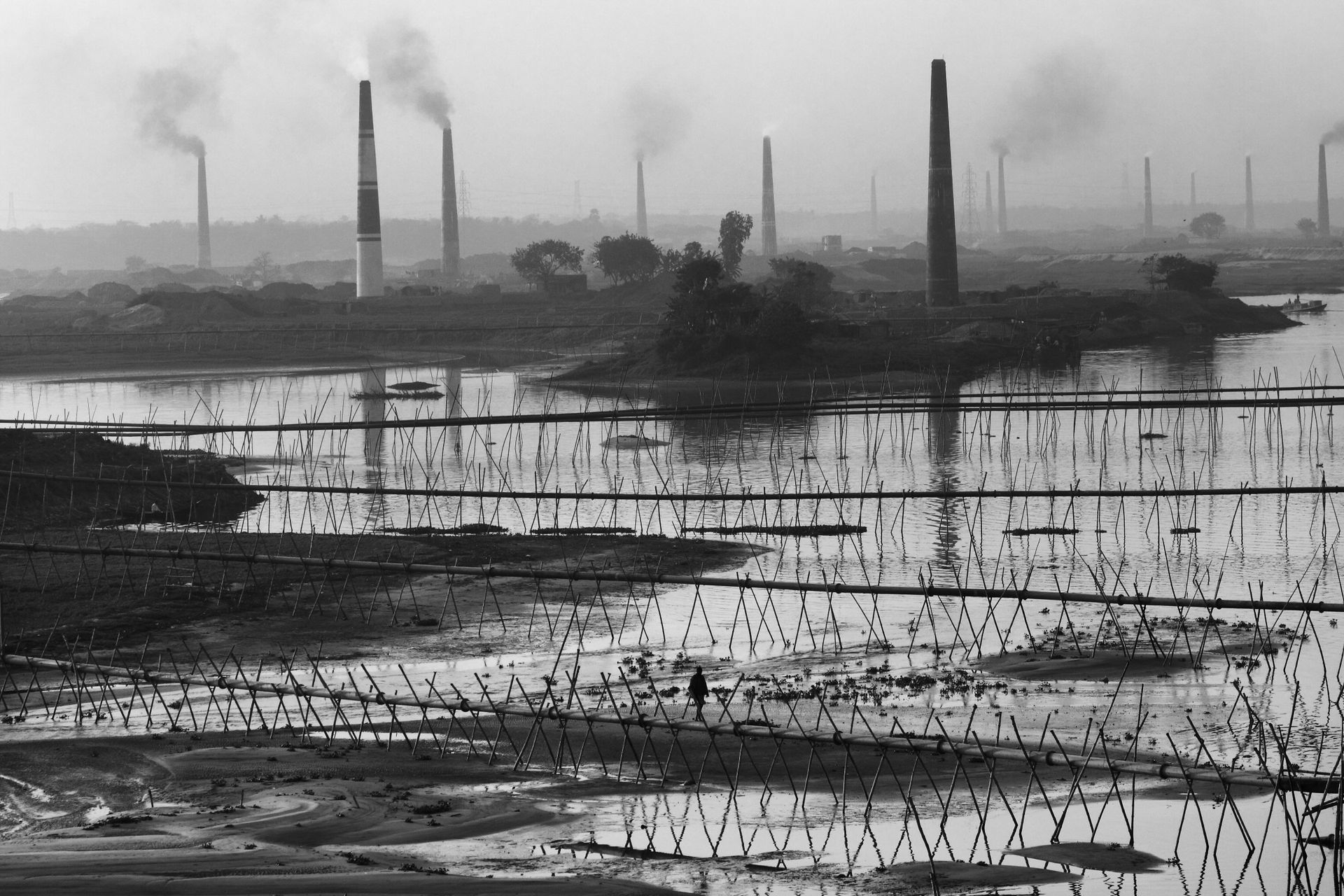
The uncontrolled incineration of plastic releases carcinogenic gases. In some industrial areas of Selangor, residents have reported chronic respiratory problems linked to the nighttime fumes from illegal processing sites.
North-South Justice
The European Union and the USA keep exporting massively to Malaysia. This "waste colonialism" creates diplomatic tensions, especially when Europe criticises local deforestation while polluting the country with its rubbish.
The Circular Economy
The government is seeking to turn this challenge into an opportunity. The legal recycling industry could generate billions of ringgit if it is properly regulated.
Civil Society in Action
Organisations such as Greenpeace and local citizen movements now monitor the ports and report suspicious shipments. This vigilance has forced the government to act more firmly.
Expat Waste Impact Simulator
Estimate your annual ecological footprint based on your sorting habits in Malaysia.
Unrecycled plastic / year
-- kg
Equivalent CO2 emissions
-- kg

1. The Basel Convention at the Core of the System
From now on, Malaysia only accepts waste from countries that have ratified the Basel Convention. This effectively excludes the United States for many waste streams, shutting off one of the most problematic taps of dirty plastic.
2. Strict Approval Permits (AP)
Only importers with state-of-the-art processing facilities that meet local environmental standards can obtain permits. Fines for illegal imports have been tripled, and prison sentences are now systematically required.
3. Ban on Electronic Waste (E-waste)
In February 2026, a new extension of the law was announced: Malaysia now bans imports of unsorted electronic waste, aiming to protect its soil from heavy metals.
Practical Guide: How to Recycle in Malaysia?
Sort at the source
Separate plastic, paper, aluminium and glass. Avoid mixing organic waste with recyclables.
Use the apps
Check out our guide to the essential apps such as "GrabCycle" or local door-to-door collection services.
Collection centres
Look for "KITAR" centres or "Recycling Centers" run by the local councils (DBKL in KL, MBPJ in PJ).
Specific Drop-off Points
For batteries and e-waste, use the dedicated bins in shopping malls such as Mid Valley or 1 Utama.
The European Paradox and Environmental Justice
It is striking to note that countries such as France, Germany and the United Kingdom, proud of their domestic environmental policies, are the largest exporters of pollution to Southeast Asia. Reporterre has shown how our waste often ends up in illegal Malaysian dumps instead of being recycled as promised by European sorting bodies.
For an expat coming from these regions, it is crucial to realise that their consumption habits have a direct impact on their new host country. Cutting back on single-use plastic during your shopping at the local market is not just a symbolic gesture, it is an act of respect toward Malaysian soil.
"Waste management is the mirror of our global ethics. Exporting your rubbish means exporting your irresponsibility."
Frequently Asked Questions (FAQ)
Is sorting mandatory for residents in Malaysia?
Since 2015, sorting at the source has been officially mandatory in several states (including Kuala Lumpur and Putrajaya). Although enforcement is still lenient, fines can in theory be imposed for failing to respect the separate collection days.
Where can I dispose of my old electronic devices?
Never throw them in the general bin. Use the certified "E-waste" collection points found in shopping malls, or contact NGOs such as "ERTH" that collect your devices from home.
What is the "KITAR" system?
KITAR is the national recycling programme. KITAR centres are colour-coded drop-off points (blue for paper, orange for plastic/aluminium, brown for glass) available in many neighbourhoods.
Does Malaysia still import plastic in 2026?
Yes, but in a much more regulated way. Only high-quality plastic (clean and sorted), intended for genuine industrial recovery, is allowed. "Dirty" or mixed plastic is now systematically returned to the sender.
What are the penalties for polluters?
Illegal factories face immediate closures, seizure of equipment and fines exceeding a million ringgit under the Environmental Quality Act, revised in 2024.
How can I get involved in the local recycling community?
Join groups such as "Zero Waste Malaysia" on social media. It is a great way to settle into life in Malaysia while sharing common values.
Is glass recycled in Malaysia?
Yes, although it is less profitable than aluminium, glass is collected. However, many KITAR bins do not always have a glass compartment. It is best to take it to the large municipal recycling centres.
What about food waste?
Home composting is growing in popularity. Many condos in Kuala Lumpur are starting to install community composters. For more details on apartment living, see our housing guide.
Where can I find more official information?
The Waste Management in Malaysia website offers detailed resources by city.
Will Malaysia become a clean recycling hub?
That is the goal of the 2025-2030 strategic plan. The government is encouraging investment in chemical and mechanical recycling technologies to build a strong and sustainable local industry.
Ready to live a responsible expat life?
Join our community to share your eco-friendly tips and stay informed about the latest local regulations.