
Living in Malaysia in 2026: the complete expat guide
Moving to, living in, and adapting to Malaysia in 2026: formalities, cost of living, housing, and practical tips for a successful expat experience.
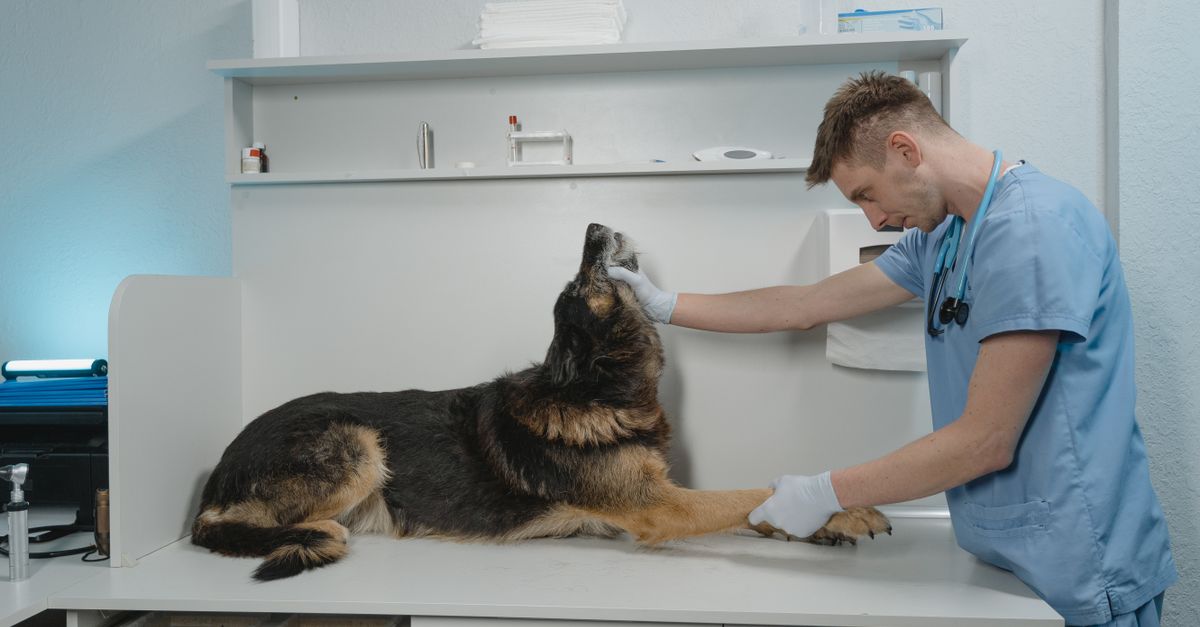
Malaysia is positioning itself as an emerging destination for veterinary care, combining modern practices with a commitment to animal welfare within its animal healthcare system. In a context where the po
8 August 2026 · 15 min read
Malaysia is emerging as a leading destination for veterinary care, combining modernity and a commitment to animal welfare within its animal health system. In a context where pet ownership is on the rise, the country’s veterinary clinics are meeting growing demand with tailored facilities and specialised expertise. Through comprehensive veterinary services, ranging from preventive animal care to complex treatments, Malaysian establishments are reinforcing their role in holistic animal health management.
With integrated technological innovations and increased awareness of veterinary medicine, Malaysia offers a conducive framework to ensure secure and optimised veterinary care. The adoption of cutting-edge equipment significantly improves animal treatment protocols. Combining a human-centred approach with advanced tools, Malaysian veterinary clinics position themselves as key players in the region’s animal health sector. This dynamic actively contributes to animal welfare while meeting the demands for rigorous and high-quality veterinary services.
In Malaysia, animal healthcare goes beyond emergency care and one-off treatments; it is part of a holistic approach that includes animal prevention and continuous improvement of clinical standards. Veterinary professionals implement comprehensive strategies, including vaccination, nutritional monitoring, and advanced diagnostics, to sustainably preserve animal health. The robustness of this model will be analysed in detail through technological trends, the importance of asepsis, and the crucial role of modern veterinary equipment in delivering effective care.
Key Takeaways:
Malaysia’s veterinary sector is undergoing a period of sustained evolution, responding to increasingly diverse and demanding needs. This growth is driven by key trends shaping modern veterinary care and enhancing its effectiveness.
The number of pets, mainly dogs and cats, is growing rapidly in Malaysia. In a country where the urban population is expanding, the bond with domestic animals is strengthening, driving demand for specialised veterinary services. This trend requires well-equipped clinics to provide treatments tailored to each species and pathology, thus improving overall animal healthcare management.
Malaysian veterinary clinics adopt cutting-edge medical equipment from international suppliers like YSENMED. Innovations include advanced anaesthesia machines, adjustable surgical tables, surgical lamps, and secure animal housing systems. This modernisation enables safer surgeries, reduces treatment risks, speeds up recovery, and optimises clinic workflows.
Veterinary services in Malaysia are expanding with the rise of specialised clinics, including those for surgery, intensive care, or animal cardiology. These facilities require advanced technical expertise and sophisticated equipment to meet the specific needs of patients effectively. This development reflects a commitment to providing comprehensive and high-quality veterinary care, enhancing animal health prevention and the treatment of complex conditions.
Veterinary clinics are increasingly investing in ergonomic and user-friendly equipment to streamline workflow for vets and staff. The goal is to boost efficiency while ensuring animal welfare. Multifunctional equipment and staff training optimise procedures, reducing errors and enhancing owner satisfaction. Logistical and technical support from suppliers like YSENMED further drives these improvements.
With evolving local and international regulations on animal health, veterinary clinics must adhere to strict standards, particularly in medical asepsis and waste management. These requirements necessitate the use of certified, reliable, and proven equipment to ensure the safety of staff, animals, and clients. They also promote rigorous protocols essential for preventing nosocomial infections and maintaining overall veterinary service quality in Malaysia.
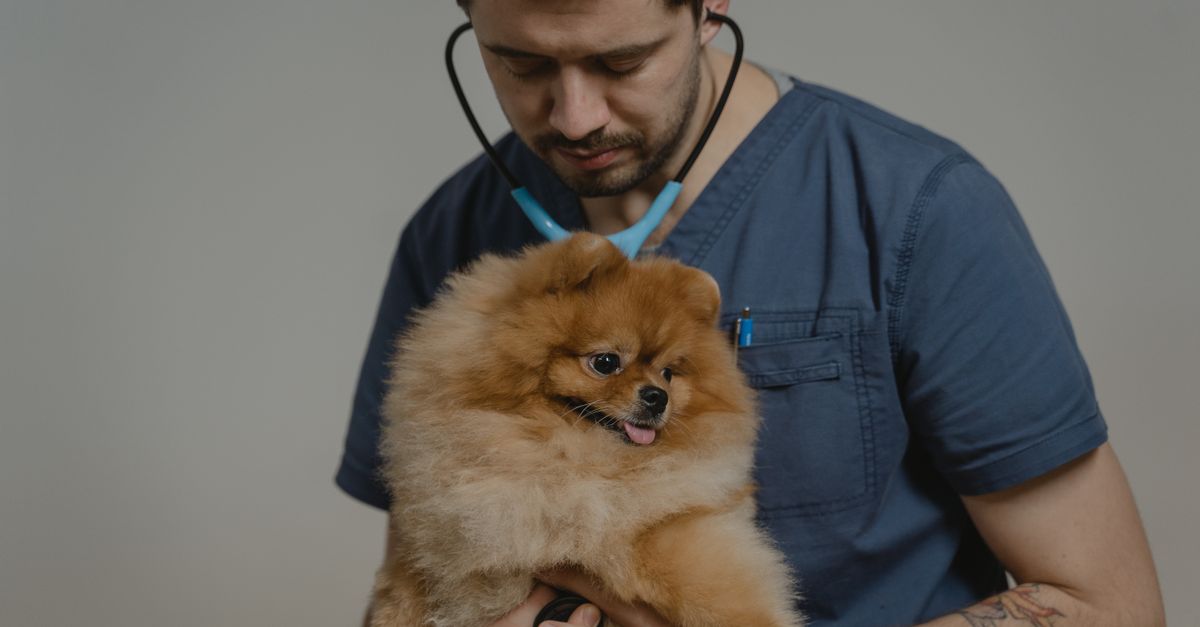
Ensuring quality veterinary care in Malaysia requires careful selection of equipment suited to local realities and professional standards. Several key criteria guide the choice of veterinary medical devices to optimise animal health while maintaining smooth operations in facilities.
Veterinary clinics are high-usage environments where equipment must withstand daily use without losing performance. Devices such as anaesthesia machines and surgical tables must be made from durable, corrosion-resistant materials to ensure longevity. Optimal durability reduces repair and replacement costs, which is crucial for the economic management of veterinary services.
The success of veterinary care largely depends on the precision of medical tools. Rigorous control of anaesthesia is essential to minimise risks during surgical procedures. Similarly, shadow-free surgical lighting and perfect stability of the tables improve visibility and ensure reliable animal positioning, reducing complications and enhancing treatment quality.
Intuitive and ergonomic equipment greatly simplifies tasks for veterinarians and assistants. Simple interfaces combined with quick adjustments significantly reduce training time and avoid technical errors. This also improves care management and ensures smoother, more efficient patient handling.
Clinical needs vary widely—from small rodents to large dogs or exotic pets. Flexible, adaptable equipment is essential to handle diverse cases. For example, adjustable surgical tables and modular operating lights optimise space and productivity for a broad range of procedures.
A long-term partnership with the supplier is essential to ensure uninterrupted operations. Quick availability of spare parts, effective technical support, and regular staff training are key factors in maintaining optimal veterinary care quality. Choosing equipment thus supports a continuous improvement dynamic in veterinary services.
YSENMED has established itself as a key player in equipping veterinary clinics, offering comprehensive solutions that combine advanced technology and robustness. This range meets the specific needs of veterinary establishments in Malaysia, where quality and safety are paramount in veterinary medicine.
The YSENMED catalogue includes:
YSENMED equipment is built with premium-quality materials, ensuring durability and longevity—essential in the demanding environments of veterinary clinics. Each device comes with certifications guaranteeing compliance with safety and quality standards, providing veterinarians and pet owners with peace of mind.
Beyond material supply, YSENMED provides comprehensive support: clinic installation, staff training for optimal equipment use, and continuous technical assistance. This full-service offering streamlines technology integration into clinical processes and ensures maximum return on investment for veterinary facilities in Malaysia.
A Malaysian vet shares remarkable benefits since integrating YSENMED equipment into their clinic. The change was noticeable across key areas, positively impacting animal health and veterinary care organisation.
Adjustable surgical tables and high-performance operating lights have significantly reduced procedure times while ensuring optimal safety. Improved anaesthesia precision has lowered post-operative complication rates, enhancing overall treatment quality.
Better organisation enabled by ergonomic equipment has simplified coordination between medical staff and veterinarians. Increased animal comfort during hospitalisation, thanks to specially designed cages, has also improved clinical outcomes and owner satisfaction—a key factor for the clinic’s reputation.
Investing in modern equipment like YSENMED’s has led to an increase in patients and better retention. The clinic is now positioned as a regional leader in animal healthcare, benefiting from a reputation for quality and trust.
Discover the key veterinary facilities of YSENMED in Malaysia and how their benefits contribute to better animal health.
Medical imaging device for rapid and accurate diagnosis.
Continuous monitoring of heart and respiratory rates.
Effective sterilisation of equipment to prevent any contamination.
Rapid and precise blood sample analysis.
Medical asepsis is a fundamental pillar in the veterinary sector, particularly in Malaysia, where species diversity and care complexity demand absolute rigour. Mastering asepsis is crucial to preventing nosocomial infections and ensuring the safety of animals, staff, and visitors.
Veterinary clinics must strictly adhere to protocols covering cleaning, disinfection, and sterilisation. Effective antiseptic solutions, mandatory gloves and sterile attire during procedures, and rigorous handling of contaminated waste form the foundation of this approach. Continuous staff training is also critical to upholding high standards.
Thorough cleaning of instruments followed by autoclave sterilisation ensures complete destruction of pathogens. Preventing cross-contamination relies on strict management of animal and staff movement routes, dedicated equipment use, and separation of clean and dirty zones. Regularly checking procedure quality is essential for maintaining effective asepsis.
Failures in aseptic procedures can lead to hospital-acquired infections, prolonging treatment and affecting clinical outcomes. Common mistakes include inadequate cleaning, failing to adhere to disinfectant contact times, or improper storage of sterilised instruments. To mitigate these risks, regular team training, standardised protocols, and compliance audits are essential to ensure the sanitary safety of veterinary care.
Upgrading to high standards of asepsis requires investment in equipment (autoclaves, disinfectants) and staff training. However, these costs are largely offset by a significant reduction in infectious complications, which can lead to high expenses and loss of client trust. By investing in asepsis, veterinary clinics improve service quality sustainably while controlling operational costs.
| Asepsis Element | Approximate cost (€) | Frequency | Impact on clinic fees |
|---|---|---|---|
| Autoclave | 3 000 – 10 000 | Initial investment | Effective sterilisation of instruments |
| Disinfectant products | 100 – 500 | Monthly | Reducing germs on surfaces |
| Sterile clothing | 5 – 15 per unit | By intervention | Staff and pet protection |
| Staff training | 500 – 1 500 | Annual | Maintaining asepsis skills |
The annual cost typically ranges between €5,000 and €15,000, covering equipment, consumables, and training, depending on the clinic’s size and volume of procedures.
An autoclave cycle usually lasts between 15 and 30 minutes at 121–134°C, depending on the type of instruments and load.
Risks include hospital-acquired infections, post-operative complications, extended care requirements, and loss of client trust.
Compare their scope of action, contact time, toxicity, compatibility with surfaces, and cost to choose the most suitable product.
It is advisable to organise training at least once a year, with quarterly updates for critical practices.
Moving to, living in, and adapting to Malaysia in 2026: formalities, cost of living, housing, and practical tips for a successful expat experience.

How much does it cost to live in Malaysia? Housing, food, transport, and leisure: A detailed monthly budget for 2026, with real-life spending examples.
Discover all our guides to prepare for your expatriation to Malaysia: visas, accommodation, cost of living and daily life.
View all guides →