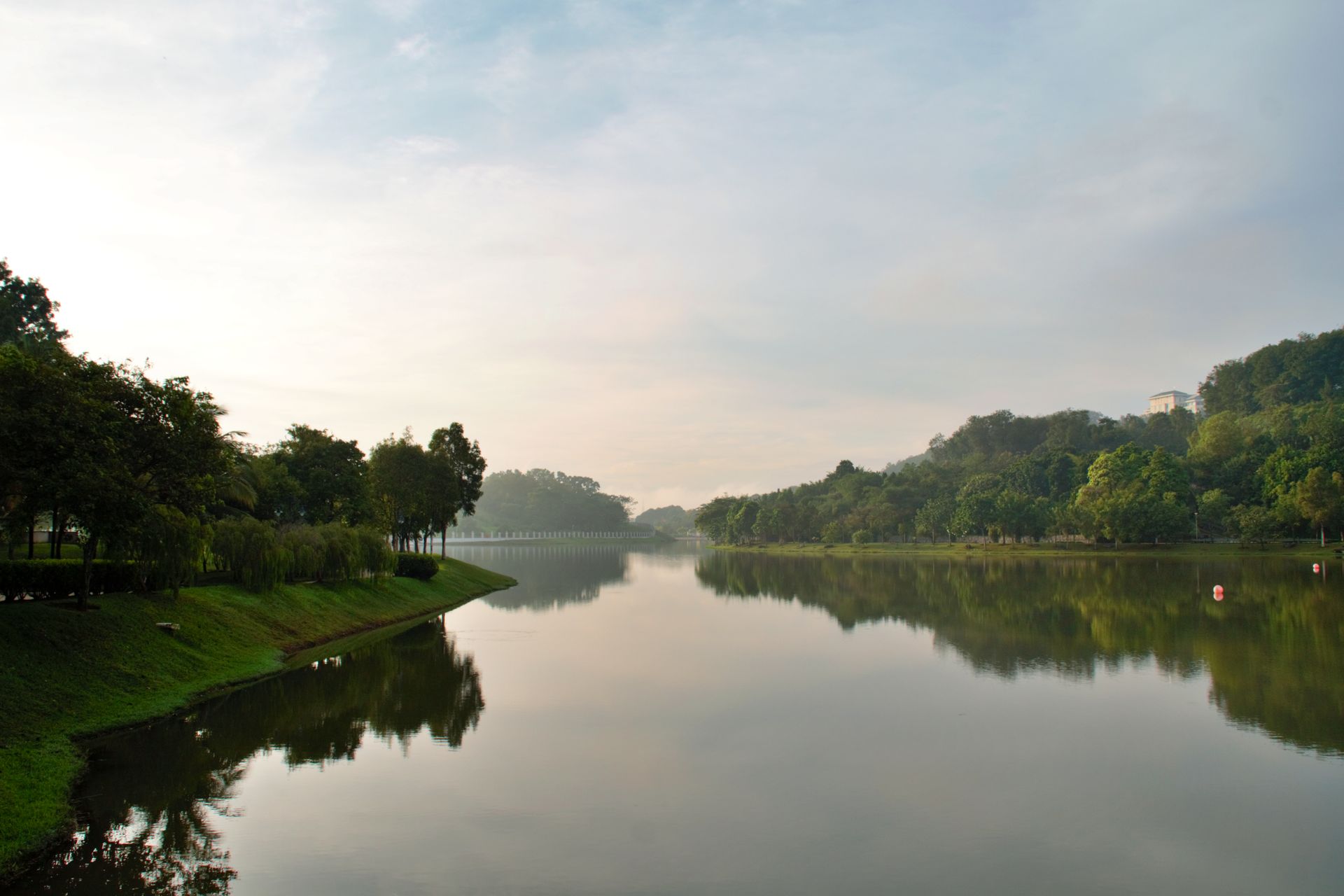
Putrajaya Botanical Gardens
A green escape in the heart of Malaysia’s administrative capital, Putrajaya Botanical Gardens invite you on an enchanting stroll among thousands of tropical plant species. With futuristic greenhouses, peaceful lakes and themed gardens, this 92-hectare green lung is an ode to biodiversity and the harmony between nature and modern urban development.
Book a tour on Klook →
Why visit Putrajaya Botanical Gardens?
A true ecological gem in the heart of Putrajaya, the Botanical Gardens offer a refreshing break from the hustle and bustle of the city. Designed as a living laboratory for Malaysian and international flora, these gardens combine aesthetic beauty with a scientific mission. Whether you are passionate about botany, enjoy photography or are simply looking for a peaceful walk, this exceptional site will amaze you with its plant diversity and carefully landscaped scenery.
With its futuristic greenhouses, themed gardens and shaded paths, the park is an ideal destination for half a day or a full day. Families will find picnic areas, sports enthusiasts jogging tracks, and nature lovers quiet spots to recharge. A must-see for discovering a lesser-known side of Putrajaya, far from the administrative buildings.



Book your tickets & activities in Putrajaya
Guided tours, combined excursions (Putrajaya + Kuala Lumpur) and unique experiences on Klook, Asia’s No. 1 activities platform. Enjoy flexible cancellations, verified reviews and secure payment in euros.
Affiliate link — booking through this link helps us continue our work, at no extra cost to you.
A little history
Opened in 2002, Putrajaya Botanical Gardens form part of the ambitious vision for Malaysia’s new administrative capital, designed to combine modernity with respect for the environment. This flagship project, developed by the Putrajaya Development Authority (Putrajaya Corporation), aimed to create a green space of international standing, capable of preserving biodiversity while providing a place for residents and visitors to relax and learn.
Inspired by the world’s great botanical gardens, such as Kew Gardens in London and Singapore’s, Malaysian designers envisioned a park that was both scientific and recreational. The site was developed on former rubber and oil palm plantations, transforming an agricultural area into a green haven dedicated to the conservation of plant species. Today, the garden houses rare collections and actively participates in research and environmental awareness programmes.
What is there to see?
Putrajaya Botanical Gardens are divided into several themed areas, each offering a unique experience:
- The Orchid and Hibiscus Garden: With more than 3,000 specimens, this garden showcases Malaysia’s national flowers. Hibiscus, or bunga raya, grow alongside rare orchids in vivid colours.
- The Tropical Greenhouse: This futuristic glass-and-steel structure recreates a humid ecosystem where carnivorous plants, giant ferns and endangered species from Borneo and the Malay Peninsula grow.
- The Medicinal Plants Garden: Discover plants used in traditional Malaysian medicine, such as tongkat ali and misai kucing, and learn about their therapeutic properties.
- The Palm Garden: An impressive collection of palms from around the world, including some century-old specimens. An ideal place to understand the economic and ecological importance of this plant family.
- The Water Lily Lake: A peaceful body of water where giant water lilies and lotuses float, providing an idyllic setting for a contemplative break.
- The Rose Garden: Although less exotic than the other sections, this garden surprises visitors with its collection of tropical roses, adapted to Malaysia’s hot, humid climate.
- The Nature Trails: Several kilometres of shaded paths wind through secondary forest, allowing visitors to observe local wildlife, particularly birds and butterflies.
Do not miss the temporary exhibitions held in the visitor centre, which cover a range of topics such as species conservation and floral art. Informational signs in Malay and English are placed throughout the park, providing detailed explanations of the different collections.
How to get there
Putrajaya Botanical Gardens are located in Precinct 1, around 20 minutes from the city centre. Here are the options for getting there:
- By car or taxi (Grab): The simplest and quickest option. Expect to pay a few ringgit for a Grab journey from central Putrajaya. Free parking is available at the park entrance.
- By bus: Several local bus routes serve the gardens. From Kuala Lumpur, take an express bus to Putrajaya Sentral, then a local shuttle or taxi for the final few kilometres.
- By bicycle: Putrajaya is a very cycle-friendly city, with dedicated cycle paths. You can hire a bicycle for the day and enjoy the urban scenery before reaching the gardens.
- On foot: If you are staying in central Putrajaya, a walk of around 30 to 40 minutes will take you to the gardens through residential neighbourhoods and green spaces.
For visitors travelling from Kuala Lumpur, an organised excursion can be a convenient option, especially if you would like to combine a visit to the gardens with other attractions in Putrajaya. See our guide to transport in Malaysia for more details about the options available.
Tip: set up a Malaysia eSIM before departure so your data works on arrival.
Our visiting tips
To make the most of your visit to the Putrajaya Botanical Gardens, here are a few recommendations:
- Choose the cooler hours: In Malaysia, temperatures can be high in the middle of the day. Visit early in the morning or late afternoon to avoid the heat and enjoy ideal light for photography.
- Bring water and snacks: Although refreshment facilities are available on site, bringing a bottle of water and a few snacks will allow you to enjoy a picnic in the designated areas.
- Wear comfortable clothing: Choose walking shoes and lightweight but covering clothing to protect yourself from the sun and mosquitoes. A hat and sun cream are also recommended.
- Respect nature: Avoid picking flowers or leaving the marked paths. The gardens are a protected area, and every plant contributes to the site's ecological balance.
- Combine your visit with other attractions: The gardens are close to several places of interest in Putrajaya, such as Putrajaya Lake and the government buildings. Plan your day to make the most of them.
- Guided tour: If you would like to deepen your knowledge of botany, consider taking a guided tour. Some are offered in English and provide fascinating insights into the plants and the history of the park.
When should you go?
The Putrajaya Botanical Gardens are an enjoyable destination all year round, but some times are particularly well suited to a visit:
- Dry season (March to September): This is the ideal time to visit, with pleasant temperatures and less risk of rain. The plants are in full bloom, creating colourful and fragrant landscapes.
- Special events: The park regularly hosts flower exhibitions, gardening workshops and festivals. Check the programme before your visit to enjoy these activities.
- Early morning or late afternoon: To avoid the crowds and heat, choose the first hours of the day or late afternoon. Sunset over the water lily lake is a magical moment.
- Avoid days of heavy rain: Although the gardens remain open, some areas may be muddy or slippery. In addition, there are fewer greenhouses and covered walkways than in large Western botanical gardens.
To plan your trip, see our guide to the climate in Malaysia and discover the best times to visit the country. If you are planning a longer stay, our article on the budget for two weeks in Malaysia will help you organise your trip.
Don't have a flight ticket yet?
Compare flights to Kuala Lumpur and find the best deals for your trip to Malaysia.
Frequently asked questions
Do you have to pay to enter the Putrajaya Botanical Gardens?
Entry to the gardens is free for all visitors. Only certain specific activities, such as guided tours or workshops, may charge a fee. Allow a few ringgits for these additional options.
Are the gardens accessible to people with reduced mobility?
A large part of the gardens is wheelchair accessible, with wide paths and ramps. However, some natural trails or sloping areas may be difficult to access. It is recommended that you ask at the reception desk for a suitable map.
Can you organise a picnic in the gardens?
Yes, picnics are allowed in the designated areas. Tables and shaded areas are available near the car parks and refreshment facilities. Please do not leave any rubbish behind and respect the cleanliness of the site.
Are there any restaurants or cafés on site?
Yes, a café and a small shop are located near the main entrance. You will find cold drinks, snacks and souvenirs there. For a more substantial meal, several restaurants are available nearby, particularly around Putrajaya Lake.
How can you book a guided tour?
Guided tours can be booked in advance through platforms such as Klook, or directly on site at the gardens' reception desk. Some tours are offered in English and last approximately 1 to 2 hours.
Other things to see in Putrajaya
Putrajaya Lake
Boat trips, futuristic bridges and sunsets over the water.
Putra Mosque
An architectural masterpiece in pink tones and an emblem of Putrajaya.
Melawati Palace
A royal residence blending traditional and modern Malay influences.
Seri Wawasan Bridge
An engineering feat and a spectacular display of lights at night.
Things to do in Putrajaya
Our complete guide to exploring the administrative capital.
Trip to Kuala Lumpur
Combine Putrajaya and the capital in one day.