The Islamic Arts Museum
Immerse yourself in the timeless elegance of Islamic art in the heart of Kuala Lumpur. This museum, one of the finest in Asia, takes you from ancient manuscripts to Ottoman ceramics. A cultural escape just a stone’s throw from the Bird Park and Perdana Gardens.
Book on Klook →
Why visit the Islamic Arts Museum?
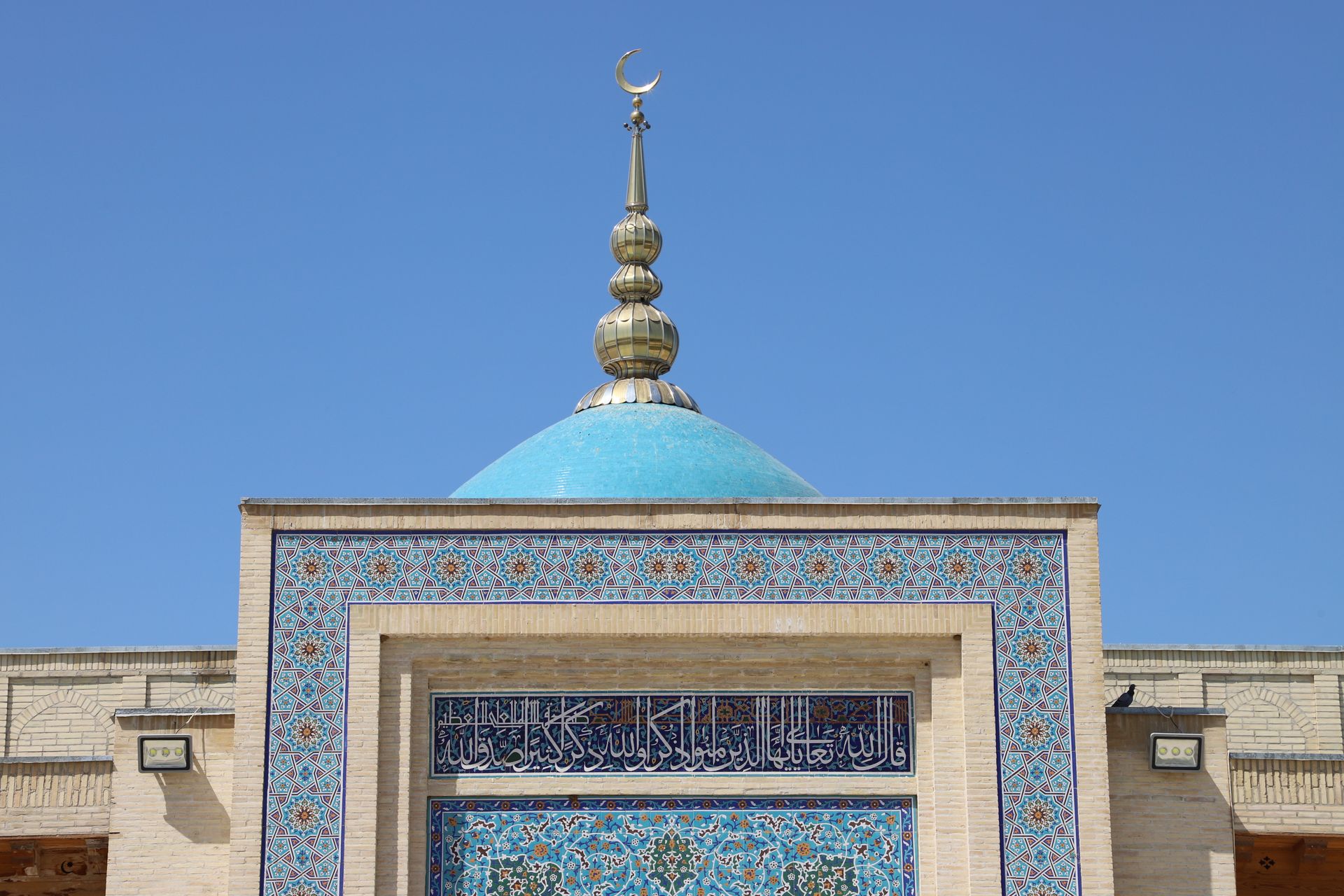
Often overlooked by classic tourist itineraries, Kuala Lumpur’s Islamic Arts Museum houses one of Asia’s richest collections of Islamic art: illuminated manuscripts, ceramics, finely engraved weapons, textiles and, above all, a room of models reproducing the world’s largest mosques, all beneath domes of striking elegance. Air-conditioned, peaceful and bright, it is the perfect cultural counterpoint to the bustle of the city, ideally located right next to the Bird Park and Perdana Gardens for a morning combining nature and culture.
Book your tickets & activities: Islamic Arts Museum
Skip-the-line tickets, guided tours and excursions on Klook, Asia’s No. 1 activities platform: often free cancellation, verified reviews and payment in euros.
Affiliate link — booking through this link supports us at no extra cost to you.
A little history
Opened in 1998, Kuala Lumpur’s Islamic Arts Museum draws inspiration from the cultural richness of Islam through the centuries, from Andalusian Spain to Southeast Asia. Housed in a modern building with elegant domes designed by Malaysian architect Ruslan Khalid, it extends across four levels and contains an exceptional collection donated by people from around the world, one of Asia’s most comprehensive on the subject. Its aim? To share the beauty and diversity of this art with Malaysian and international visitors, in a Muslim-majority country proud of this heritage.
What can you see there?
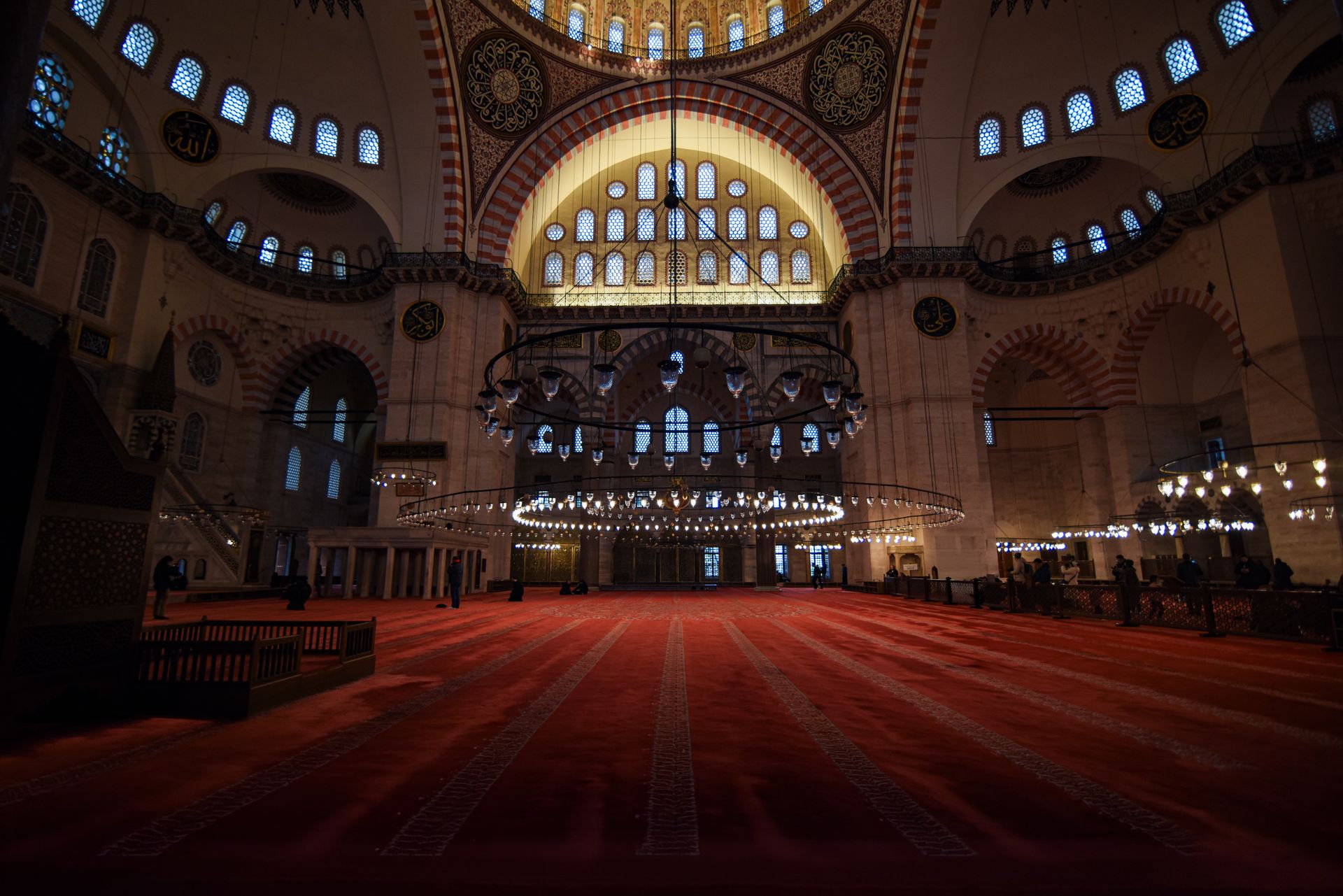
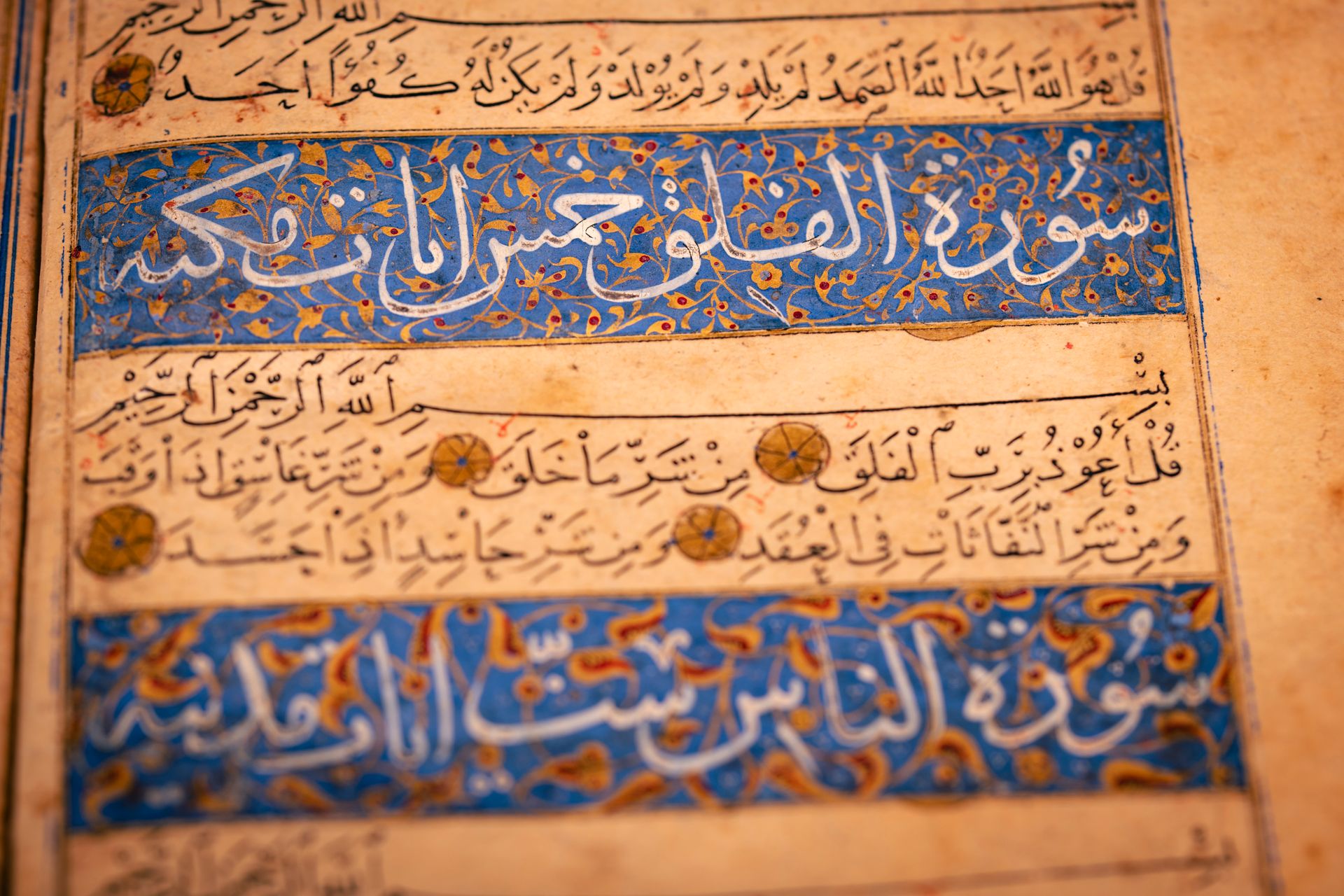
Admire 17th-century calligraphed manuscripts, gold-embroidered textiles, Ottoman jewellery and Persian ceramics with blue patterns. Don’t miss the room of models of the world’s great mosques, including Mecca, Medina and Istanbul, as well as the gallery of richly decorated weapons and armour from Mughal India. The bright domes and air-conditioned spaces make it a haven of peace for art and history enthusiasts, with a quality café and shop to extend your visit.
How do you get there?
The museum is accessible by metro (LRT/MRT) via KLCC station (5 minutes on foot) or Masjid Jamek (10 minutes). The monorail serves Bukit Nanas, a 15-minute walk away. Take Grab (10–15 RM from the city centre) or a taxi, which is more convenient in the heat. Close to the Bird Park, Perdana Gardens and the Malaysian parliament, it fits perfectly into a morning combining nature and culture — allow 15 minutes on foot between the two sites. See our guide to transport in Malaysia.
To get online as soon as you land, a Malaysia eSIM can be installed before you leave, with no need to look for a local SIM card.
Our visiting tips
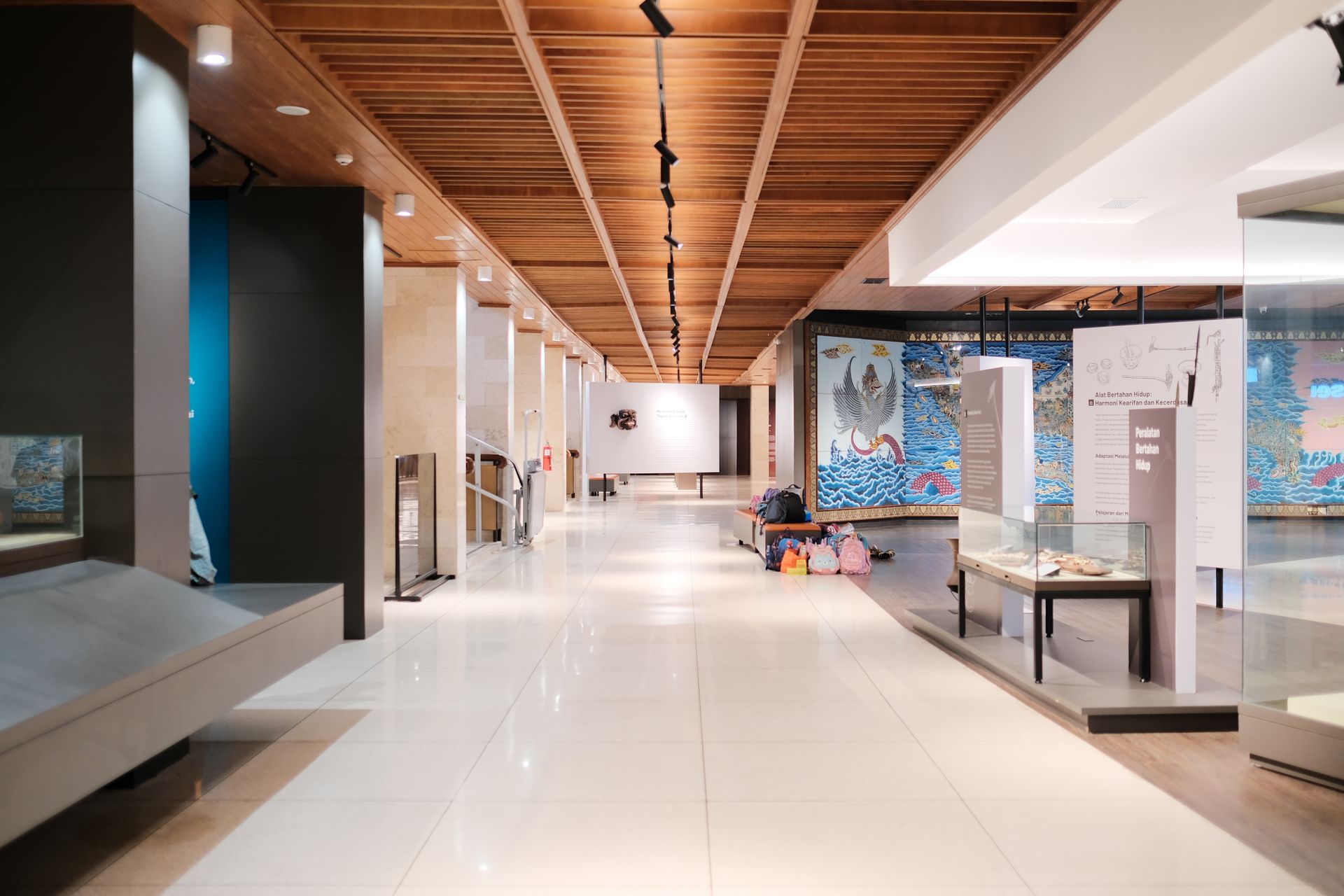
Allow 2 to 3 hours to explore the 7,000 exhibits spread across four levels. Wear comfortable clothing: the museum is air-conditioned, but the spaces are extensive and the visit involves walking. Bring a bottle of water and a camera (flash photography is prohibited in some rooms). Check the official website for temporary exhibitions, which change regularly. An English-language guided tour is often offered at fixed times, and an audio guide is available for a more independent visit.
When should you go?
Visit early in the morning or late in the afternoon to avoid the crowds, particularly school groups during the week. Weekends are livelier, with occasional additional workshops or guided tours. Avoid days of heavy rain if you want to enjoy the outdoor areas such as Perdana Gardens right next door. The museum is open all year round and air-conditioned, making it an excellent alternative on sweltering or rainy days, but temporary exhibitions vary with the seasons. Check the climate and work out the cost of your stay with our travel budget.
Haven’t booked your flight yet?
Compare flights to Kuala Lumpur.
Frequently asked questions
Is the museum suitable for children?
Yes, educational workshops are sometimes organised. Children love the mosque models and the colourful textile patterns.
Can you touch the exhibits?
No, contact is prohibited to preserve the pieces. Gloves are sometimes provided for fragile manuscripts during workshops.
Is there a café or shop on site?
A shop sells Islamic art reproductions and books. There is a café at the entrance, with a view of the gardens.
Do you need to book in advance?
No, but booking is recommended for groups or guided tours. Tickets can be purchased on site.
Is the museum accessible to people with reduced mobility?
Yes, lifts and ramps are available. A wheelchair can be loaned on request at reception.