
Living in Malaysia in 2026: the complete expat guide
Moving to, living in, and adapting to Malaysia in 2026: formalities, cost of living, housing, and practical tips for a successful expat experience.

Obtaining a Malaysian driving licence without going through the traditional foreign licence exchange process is a key step for expats looking to settle permanently in Malaysia. Since
8 August 2026 · 20 min read
Obtaining a Malaysian driving licence without going through the traditional foreign licence exchange process is a key step for expats looking to settle long-term in Malaysia. Since the suspension of automatic exchange in 2025 for most work visas, a precise and rigorous process is now required, often including a local theory test. This guide outlines the steps to follow, the specifics of Malaysian road rules, and essential tips for driving legally and safely. Discover how to learn to drive in Malaysia, prepare for the Malaysia driving test, and finally obtain your Malaysian driving licence—a step often feared but entirely achievable with the right approach.
Malaysia, with its British colonial heritage, has specific driving rules, such as driving on the left, which may initially confuse newcomers. However, with one of Asia’s most efficient road networks, it offers the unique opportunity to easily connect bustling cities with breathtaking natural landscapes. Mastering Malaysian road rules, gaining practical driving skills through a Malaysian driving school, and preparing for the Malaysian driving test are key to integrating into this modern and smooth mobility system. This comprehensive guide will clarify these crucial points and help you approach your beginner driving lessons in Malaysia with confidence.
Opting for the Malaysian driving licence application process from scratch, without direct exchange, means navigating the local system with its specific tests, administrative steps, and requirements. While not insurmountable, this process demands thoroughness. You’ll also discover tips to streamline your Malaysian driving licence procedures, required documents, key steps from enrolling in a Malaysian driving school to passing the driving test, and practical insights for daily driving on the roads.
Finally, being well-informed about the Malaysia International Driving Permit (IDP), useful for short stays or tourist driving, as well as aspects related to insurance, vehicle rental, and traffic rules, will ensure a complete and secure driving experience in Malaysia. This content encourages thorough understanding to turn your permit application into a successful outcome, tailored to local realities and 2026’s requirements.
Recent changes in Malaysian regulations have made it more complex for expats to obtain a local driving licence by simply exchanging their foreign licence. For those starting without a Malaysian licence, a full process must now be followed, including theoretical and practical exams recognised by the Jabatan Pengangkutan Jalan (JPJ), the road transport authority.
Most candidates must first register with an approved driving school. These institutions offer lessons on Malaysian road rules, specific left-hand driving regulations, and safety practices. They also provide practical sessions, often with learner-equipped vehicles. To maximise your chances of passing the Malaysia driving test, it is recommended to attend at least 6 hours of practical lessons and 20 hours of theoretical study, usually supported by modern learning materials.
Driving schools play a crucial role in understanding local signage—much of it in Malay—and road behaviours. Courses also ease new drivers into Malaysia’s traffic environment, particularly mastering roundabouts, overtaking, and intersections under local rules.
The theoretical exam, often called the ‘KPP exam’, is mandatory for all. It tests knowledge of rules, signs, and specific road situations in Malaysia. Passing this test is a prerequisite for taking the practical exam. Since 2025, expats without direct licence exchange must take a simplified version, but it should not be underestimated.
It is important to practise with an up-to-date Malaysian road code manual that outlines specifics such as:
The test is usually available in Malay and English. JPJ centres or some driving schools offer computerised versions with multiple-choice questions, making modern preparation easier for candidates.
Once the theory test is passed, the candidate can register for the practical exam. This test is usually conducted in the presence of a JPJ examiner and includes road tests as well as closed-circuit driving. The candidate must demonstrate the ability to:
For many, driving an automatic car proves more manageable when learning in Malaysia, where urban traffic can be heavy and demands extra vigilance. The practical test usually takes place in city areas, with a rural section to assess higher-speed driving. Intensive training at a Malaysian driving school is recommended to maximise first-time success rates.
Malaysia driving licence procedures require compiling a dossier including:
Thorough preparation for all these steps guarantees a smoother experience and avoids delays. Additionally, it is advisable to gather information from JPJ or local driving schools regarding the latest requirements for foreign nationals.
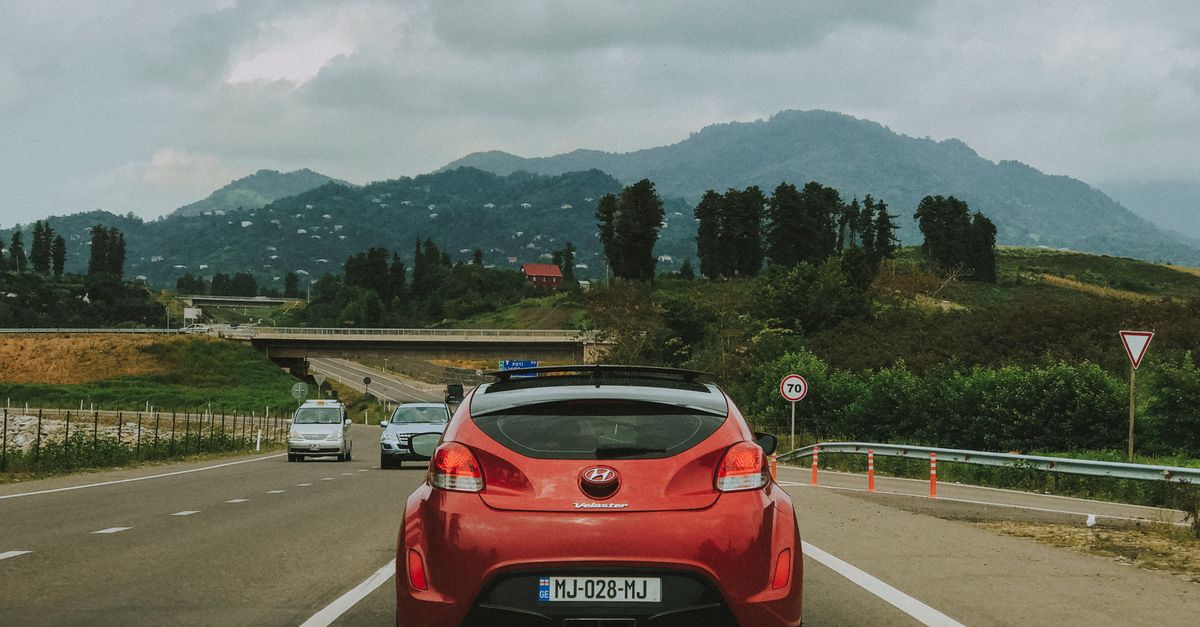
A thorough understanding of Malaysian road rules is essential to obtain a local driving licence without exchange. Beyond the written test, it ensures safe driving—especially in a country with heavy traffic and sometimes surprising road behaviours.
It is crucial to remember that driving is on the left with the steering wheel on the right. This layout affects overtaking, turns, and intersection management – particularly taking roundabouts in a clockwise direction, unlike many other countries. These differences may seem minor but require specific training.
Among the most important rules:
Most road signs are in Malay, with English only in tourist areas. Key terms to know include:
| Malay term | Translation | Service of notice |
|---|---|---|
| Resigned | Stop | Total mandatory stop |
| Had Laju | Speed Limit | Speed limit to observe |
| Warning | Warning | Warning or caution sign |
| Dilarang Masuk | No Entry | No entry |
| Right lane | Right Lane | Right lane, often for overtaking |
| Sekolah | School | Slow zone, near school |
To adapt more effectively, using instant mobile translation apps can be very helpful, especially during the early stages of driving. They help quickly decipher road signs to avoid unintentional infractions.
Malaysia enforces strict traffic rules. Failure to wear a seatbelt, using a phone while driving, exceeding the alcohol limit, or speeding can result in heavy fines, or even imprisonment in cases of repeat offences or serious accidents. For example, a phone-use fine can reach around 226 Malaysian dollars (approximately 208 euros), while exceeding the alcohol limit can incur fines starting from 453 dollars (over 400 euros) and severe imprisonment.
A solid grasp of the rules is not only essential for passing your driving test but also protects you long-term from risky situations.
Driving school in Malaysia is a must for those wishing to obtain a Malaysian driving licence without direct exchange. Finding a suitable, professional training programme that meets JPJ requirements is key to success.
The market offers a variety of establishments. It’s essential to check certain points:
A good Malaysian driving school will also offer modern vehicles, both automatic and manual, depending on preference, and will emphasise full preparation for the Malaysian road test, including local quirks often unknown to expat beginners.
This training typically begins with an intensive theoretical course, followed by practical exercises in a secure environment, and then real-world driving. The final stage involves a mock practical exam before registering for the official test. This process prepares candidates for the real challenges of Malaysia’s road rules and driving conditions.
Some driving schools include a beginner-specific module tailored to Malaysian road conditions, covering stress management, careful observation of road signs, and defensive driving in unpredictable traffic.
Test your knowledge of Malaysian road rules: road signs, speed limits, priority rules, left-hand driving, road safety and offences.
After completing driving lessons at a Malaysian driving school, several tips can help maximise your chances of passing the Malaysian driving test and quickly adapt to local driving conditions.
Success in this exam depends on a solid understanding of Malaysian road rules. It is recommended to:
Thorough preparation includes:
Driving in Malaysia as a beginner requires a gradual adaptation:
These steps ensure a calm and secure start before tackling more complex or high-speed roads.
The Malaysia International Driving Permit (IDP) is a practical solution for those staying temporarily or who wish to drive without going through the lengthy process of obtaining a local licence. It is a supplementary document that validates a recognised national driving licence.
This permit simplifies car rental and ensures national driving licences are recognised by local authorities, avoiding misunderstandings during road checks. For visitors and expats in transit, it provides immediate freedom.
However, its use is limited to short or medium stays (usually less than three months). After this period, converting to or obtaining a Malaysian driving licence becomes mandatory to drive legally. Additionally, some ASEAN member countries do not require this document, as their national licences are accepted directly in Malaysia.
Obtaining a driving licence without exchange often means retaking a local test. An international driving permit does not replace this test but serves as a temporary supplementary document. If your stay exceeds certain limits, temporary conversion may be possible under specific conditions, particularly depending on nationality and bilateral agreements.
It remains essential for all expats to understand these distinctions to adapt their approach according to their situation. In any case, the local Malaysian licence remains the legal reference for long-term driving in the country.
Comparison table:
| Type of permit | Primary use | Validity duration | Exam required | Notes |
|---|---|---|---|---|
| Malaysia International Driving Permit | Temporary driving for visitors | Up to 3 months | No | Supplementary to the mandatory national licence |
| Foreign driving licence conversion | Allows driving without an exam in some cases | Variable depending on bilateral agreements | Sometimes yes, sometimes no | Depends on the country of origin and the agreement with Malaysia |
| Local Malaysian driving licence | Official permit for residents | 5 years, renewable | Yes, both theory and practical tests. | Mandatory for extended stays without an exchange agreement |
Applicants must first enrol in an approved driving school, pass the Malaysian Road Code theory exam, and then take a practical test with a JPJ examiner. This process ensures mastery of local regulations.
No, for stays longer than three months, you must convert your foreign licence if a bilateral agreement exists, or take the local test if exchange is suspended or unavailable.
Yes, several driving schools in major cities offer courses in English and sometimes in French, making learning easier for French speakers.
Fines can be steep, ranging from hundreds of dollars for phone use or not wearing a seatbelt to prison sentences for serious drink-driving accidents.
By studying official manuals, practising with mock tests from driving schools, and familiarising yourself with local road signs and driving habits via mobile apps.
Moving to, living in, and adapting to Malaysia in 2026: formalities, cost of living, housing, and practical tips for a successful expat experience.

How much does it cost to live in Malaysia? Housing, food, transport, and leisure: A detailed monthly budget for 2026, with real-life spending examples.
Discover all our guides to prepare for your expatriation to Malaysia: visas, accommodation, cost of living and daily life.
View all guides →