Chinatown & Petaling Street
Immerse yourself in the vibrant soul of Kuala Lumpur by exploring Chinatown and Petaling Street. This historic district, the beating heart of Chinese culture in Malaysia, takes you on a journey between tradition and modernity. With centuries-old temples, colourful lanes and the aromas of street food, every corner tells a story.
Book on Klook →
Why visit Chinatown & Petaling Street?
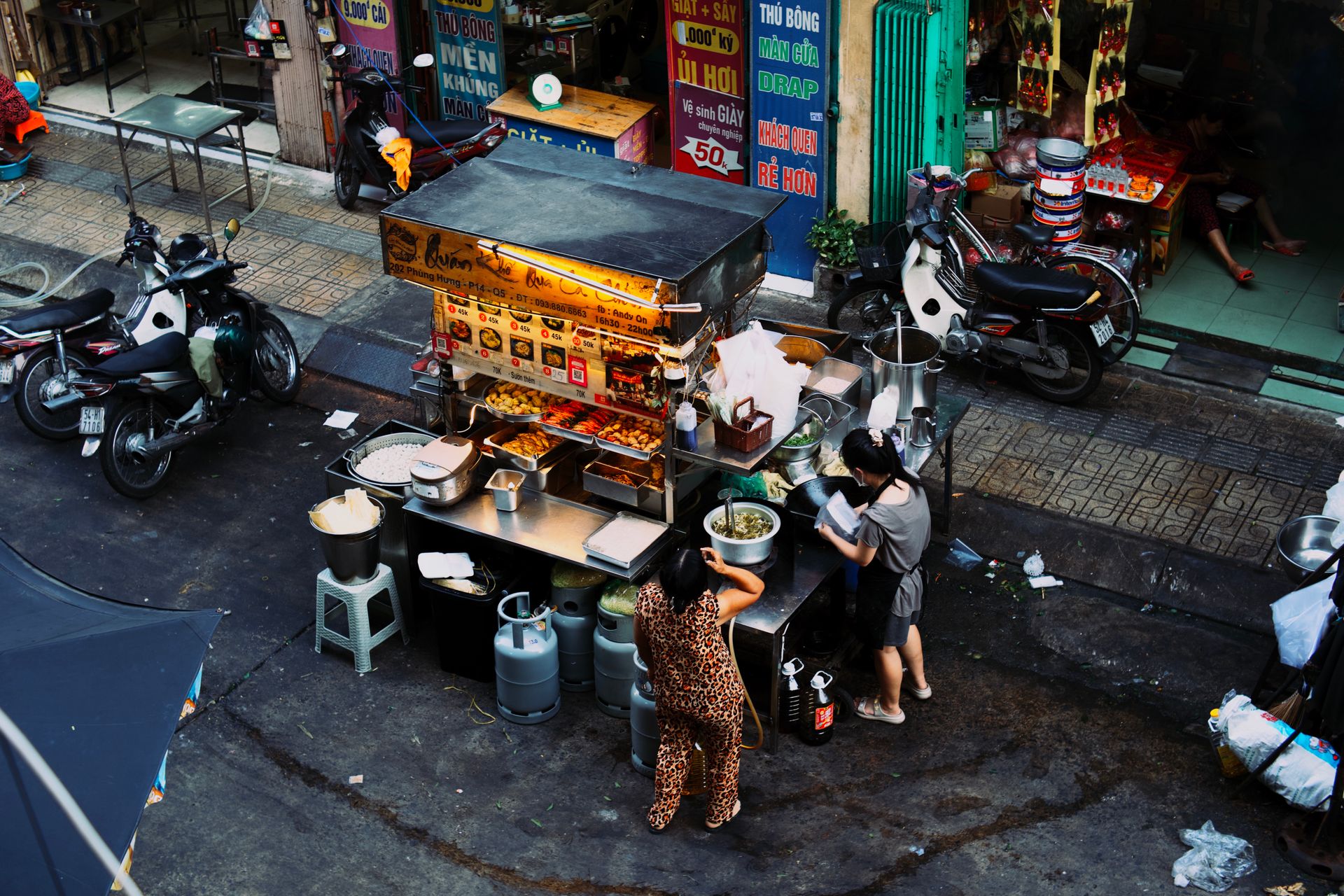
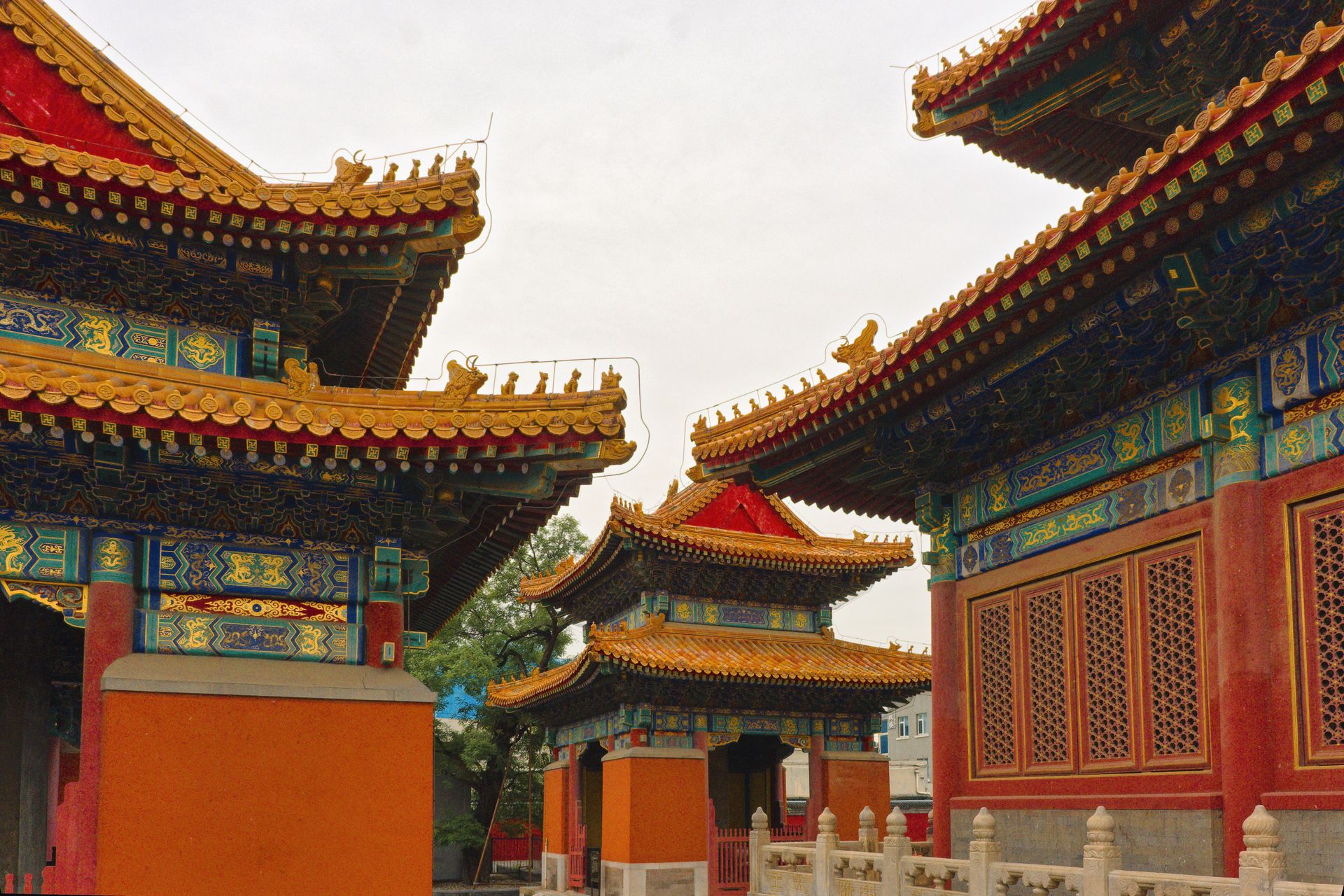
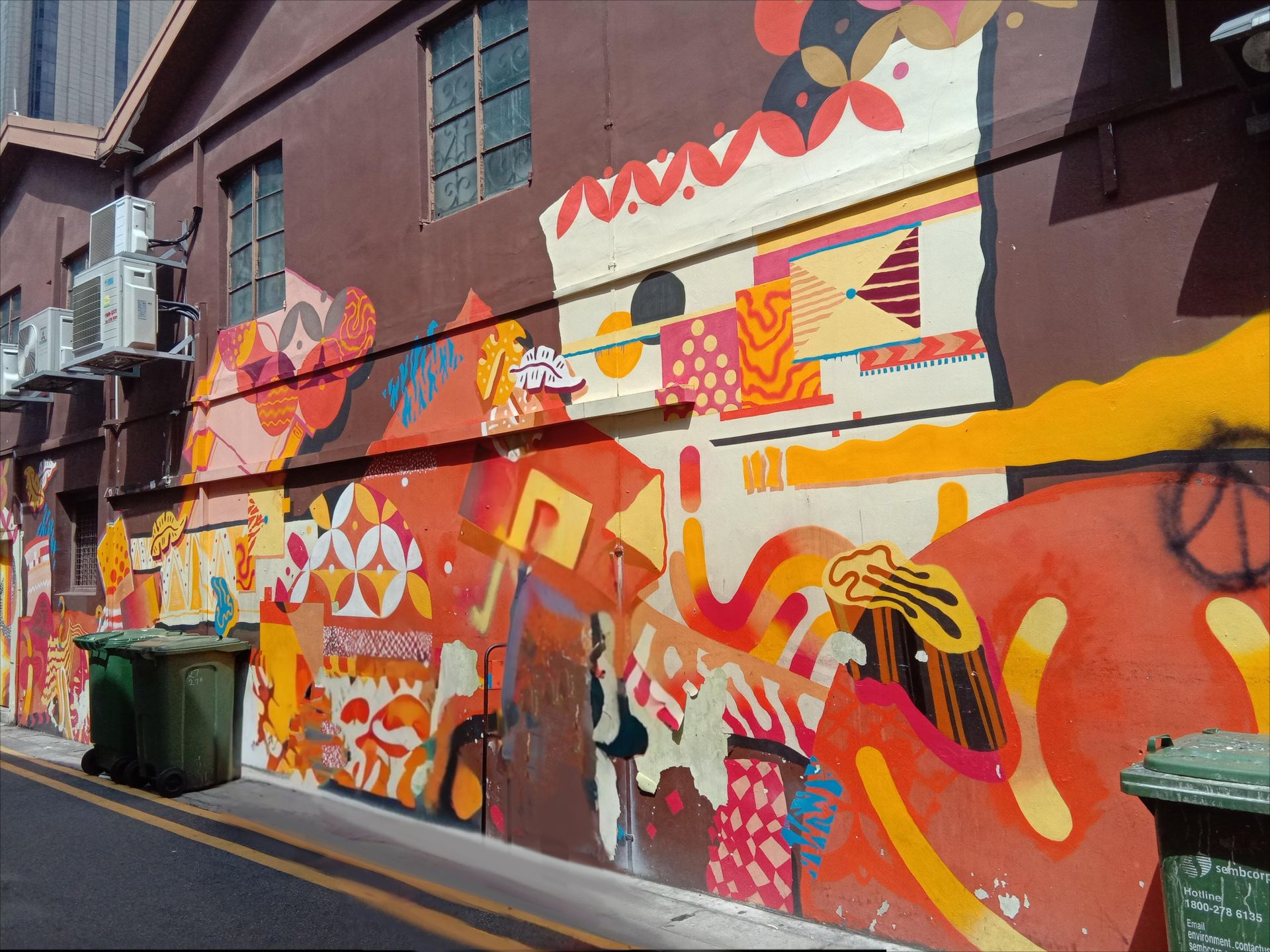
Beneath its famous green and red awnings, Petaling Street is the bustling heart of Chinatown: an open-air market where people haggle over watches, leather goods and souvenirs amid the aromas of street food. All around it, the Chinese Sin Sze Si Ya Temple, the Hindu Sri Maha Mariamman Temple and old kopitiam cafés tell the story of multicultural KL before the skyscrapers. The atmosphere builds in the late afternoon and evening, when the stalls light up and the aromas of hot wok cooking fill the street. Try some hokkien mee, an iced air mata kucing or durian if you’re feeling brave, then head over to photograph the murals in the beautifully restored Kwai Chai Hong lane.
Book your tickets & activities: Chinatown & Petaling Street
Skip-the-line tickets, guided tours and excursions on Klook, Asia’s No. 1 activities platform: often-free cancellation, verified reviews and payment in euros.
Affiliate link — booking through this link supports us, at no extra cost to you.
A little history
Founded in the 19th century by Chinese miners, Petaling Street was the economic pulse of Kuala Lumpur, then a simple mining camp founded at the confluence of the Klang and Gombak rivers (hence the city’s name, “muddy estuary”). The district grew around tin mining, attracting communities from Fujian and Guangdong who built shops, temples and mutual-aid societies there. Today, it embodies Malaysia’s melting pot, where the Sin Sze Si Ya temples (1864), the city’s oldest Taoist temple, and Sri Maha Mariamman (1873) stand alongside modern shops. Petaling Street’s awnings, installed decades ago, shelter a legendary street market, a symbol of resilience in the face of the waves of modernisation that have transformed the rest of the city centre.
What to see there
Don’t miss Sin Sze Si Ya Temple, dedicated to Chinese gods, and the Hindu Sri Maha Mariamman Temple, recognisable by its colourful tower (gopuram) carved with deities. Explore Kwai Chai Hong, a lane transformed into a street-art gallery, where murals and light installations tell the local story of the 1960s. Beneath its awnings, Petaling Street Market is packed with souvenirs, textiles and accessories — haggling is expected. Try specialities such as chee cheong fun (steamed rice rolls), satay skewers or a bowl of wan tan mee in an electrifying night-time atmosphere, amid wok aromas and colourful neon lights.
How to get there
Reach Chinatown by metro (LRT Kelana Jaya, Pasar Seni or Masjid Jamek station) or by monorail (Bukit Nanas station), then walk for a few minutes. Petaling Street is also a 10-minute walk from Plaza Rakyat LRT station. Grab taxis or free public buses (GO KL, purple line) are also convenient for reaching the district from Bukit Bintang or KLCC. The heart of the district is pedestrianised beneath its awnings, making it ideal for a carefree stroll. See our guide to transport in Malaysia.
Tip: set up a Malaysia eSIM before departure so your data works on arrival.
Our visiting tips
Choose late-afternoon visits to enjoy the evening atmosphere without the morning crowds. Keep an eye on your belongings in the busy lanes. Try local dishes from vendors known for their authenticity. Avoid the hottest hours (12pm–3pm) to explore in comfort. Temples require modest clothing (shoulders and knees covered).
When to go
Night falls between 6pm and 7.30pm, transforming Petaling Street into a spectacle of lights, wok steam and street-food aromas. Weekends and public holidays (such as Chinese New Year, in January or February) noticeably amplify the energy of the district, with decorations and sometimes lion dances. Avoid the monsoon period (November to March), when sudden showers can disrupt outdoor wandering — although the awnings protect much of the market. Check the climate and calculate your stay with our travel budget.
No flight ticket yet?
Compare flights to Kuala Lumpur.
Frequently asked questions
Can you negotiate prices at Petaling Street?
Yes, haggling is part of the experience, especially for souvenirs or textiles. Stay polite and offer a price 30 to 50% lower than the displayed price.
Are the temples open to non-worshippers?
Absolutely. Sin Sze Si Ya and Sri Maha Mariamman welcome all visitors. Simply respect the rules on clothing and silence during prayers.
Are there any recommended restaurants in the area?
Try the chee cheong fun stalls or roadside char kway teow stands. For a quieter setting, the Jalan Alor restaurant (a 15-minute walk away) serves Malay-Chinese cuisine.
Is Petaling Street safe at night?
The area remains lively and safe thanks to the presence of many visitors and shopkeepers. Avoid isolated lanes and keep your valuables close at hand.
Can you visit Chinatown with children?
Yes, children love the colourful atmosphere and street entertainment. The temples and street art capture their curiosity. Plan snack breaks to avoid overstimulation.