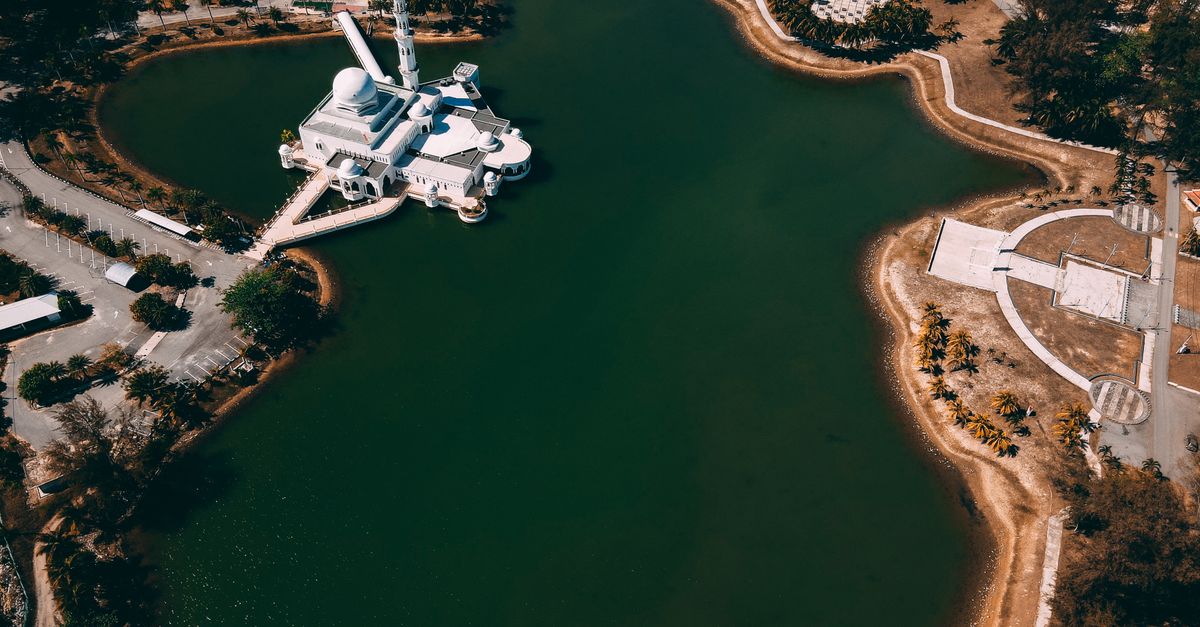
Living in Malaysia in 2026: the complete expat guide
Moving to, living in, and adapting to Malaysia in 2026: formalities, cost of living, housing, and practical tips for a successful expat experience.
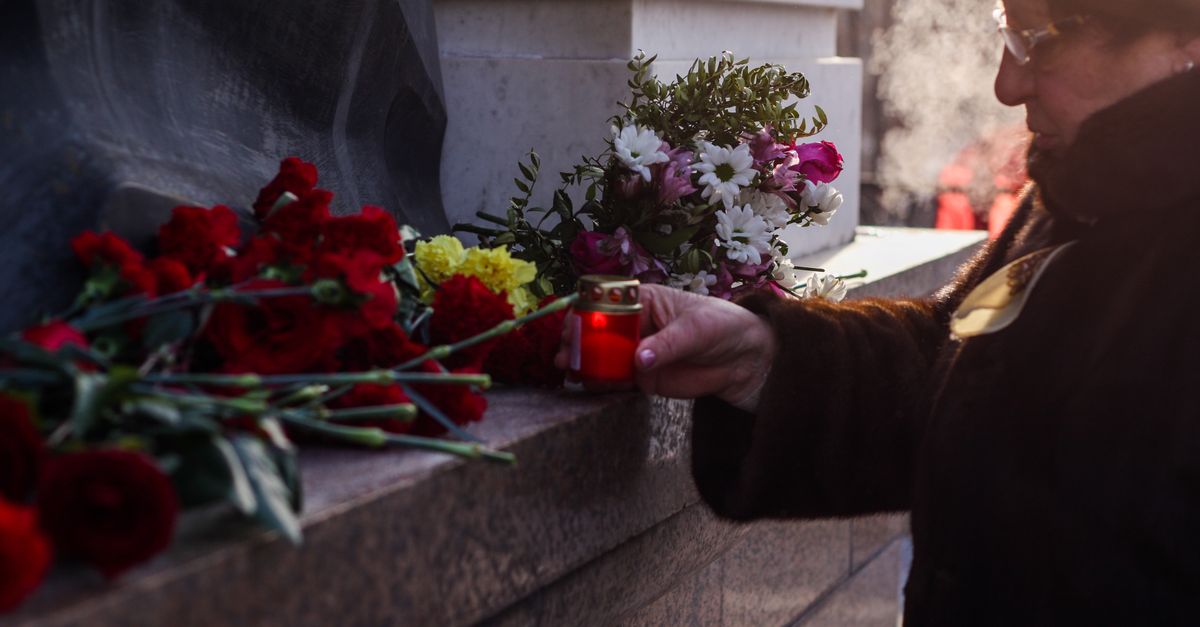
Malaysia, a popular destination for expats due to its dynamism and quality of life, raises specific questions when a foreign resident passes away. Given its cultural and religious diversity,
8 August 2026 · 14 min read
Malaysia, a popular destination for expats due to its dynamism and quality of life, raises specific questions when a foreign resident passes away. Given its cultural and religious diversity, funeral rites, administrative procedures, and funeral arrangements can become complex. This comprehensive guide aims to support the families and loved ones of expats who have passed away in Malaysia, detailing cemetery specifics, burial laws, and available cremation and burial options. Navigating cultural traditions, legal requirements, and practical arrangements is essential to honour the deceased in this multicultural context.
Balancing local religious customs with the specific needs of expatriates, managing a death in Malaysia requires precision and a deep understanding of procedures. Cemeteries are typically divided by faith, and burial laws strictly regulate practices, particularly regarding body transport or ash scattering. This guide also highlights repatriation options and administrative formalities to ease the process for families often geographically distant. Due to cultural differences and legal requirements, advance planning is strongly advised to avoid delays and complications.
Similarly, funeral arrangements in Malaysia reflect the country’s religious diversity—Islam, Buddhism, Christianity, Hinduism, and others—each with its own ritual practices. Expats must ensure their final wishes, whether cremation or burial in an appropriate cemetery, comply with local laws. Understanding these nuances is key to organising a dignified ceremony in line with the deceased’s beliefs.
In a country as diverse as Malaysia—where ancient traditions meet modern regulations—understanding how cemeteries and funeral rites for expats work is essential for navigating these sensitive moments with ease. This guide aims to provide a clear, comprehensive resource in 2026, helping you make informed decisions about funeral arrangements in Malaysia.
Here are the key takeaways:
In Malaysia, cemeteries reflect the country’s religious and ethnic diversity. They are generally organised by faith, which directly impacts funeral rites and the conditions for accommodating the deceased, particularly within the expat community. For Muslims, burial must follow strict rules and takes place in designated cemeteries, often managed by Islamic authorities. Burial should ideally occur within 24 hours of death, in accordance with Islamic precepts. Christian, Hindu, and Buddhist cemeteries are also separate, each with its own customs and burial management specifics.
For an expat who has passed away in Malaysia, it is crucial to confirm that the chosen cemetery accepts foreign remains and offers spaces suited to their religion or cremation wishes. For example, some cemeteries have multifaith or non-resident sections, simplifying funeral arrangements. Depending on the region, municipal or private cemeteries may also provide services such as temporary body storage or repatriation preparation.
One often-overlooked aspect is the duration of cemetery concessions in Malaysia. Unlike in other countries, most graves operate on a limited lease model, typically lasting 6 to 10 years, after which reburial or cremation may be required. This practice must be taken into account when planning funerals, especially for expats who wish to maintain their grave in the long term.
Moreover, Malaysia often requires extensive documentation for burials, including a death medical certificate, a non-contagious certificate, typically a death permit, and coordination with the consulate of the deceased’s home country if burial takes place locally. These steps make engaging a specialised funeral service indispensable to support the family and ensure smooth funeral rites and administrative procedures.
Respecting local traditions and cultural specifics is also essential for funerals to proceed in line with the deceased’s beliefs and to provide serenity for the family. For example, in some cases, it is possible to participate in traditional Malay ceremonies alongside Western religious rites, ensuring cultural harmony and a fitting tribute.
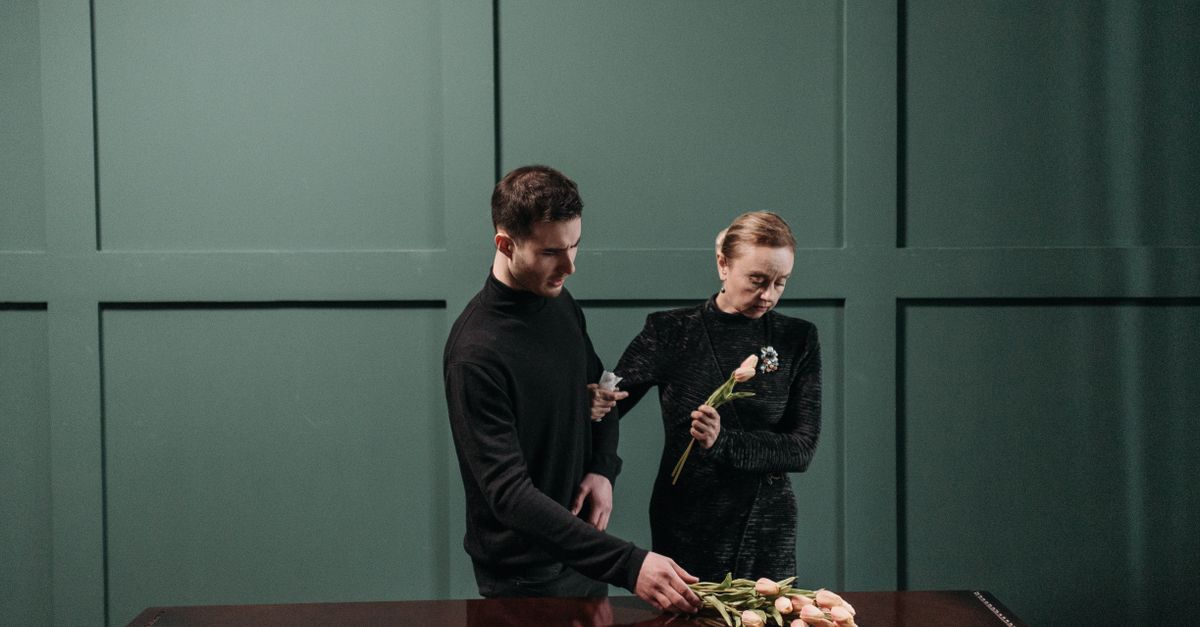
Malaysian funeral rites are closely tied to religion and ethnicity. Burial remains the predominant practice among Muslims, while cremation is more common among Hindu, Buddhist, or Christian communities, particularly in urban areas and among expats.
For expats, considering religious beliefs and will preferences is crucial when choosing between burial and cremation. While Malaysia permits cremation, it respects local rituals and regulations governing ash dispersal, which can be strictly controlled—especially in public and maritime spaces. Families should research dispersal or urn storage options in advance.
In the case of burial, the process is subject to strict local regulations: the coffin must meet sanitary standards and is often hermetically sealed. The timeframe between death and burial is usually short, with religious requirements for Muslims and legal constraints for other faiths. Some funeral plots offer spaces tailored to foreigners, with specific conditions regarding burial duration.
Alternative solutions, such as temporary storage in climate-controlled funeral homes, exist in major cities but remain rare in more remote areas. This can be a viable option for families arranging repatriation or delaying ceremonies based on availability.
Finally, it’s important to highlight that certain practices, such as organ donation or eco-burials, are not yet widely integrated into Malaysia’s legal framework, limiting options for expats who prioritise these choices. However, attitudes are gradually shifting, particularly in urban areas like Kuala Lumpur.
| Religion/Community | Funeral Services | Duration Between Death and Funeral | Features |
|---|---|---|---|
| Islam | Burial | Less than 24 hours | Burial in simple attire, without a sealed coffin, facing Mecca |
| Christian | Burial or cremation | 2 to 5 days | Option for religious ceremony; cremation more common in urban areas |
| Hindu | Cremation | 1 to 3 days | Detailed ritual with offerings, cremation in dedicated crematoriums |
| Buddhist | Burial or cremation | 1 to 5 days | Ceremonies with meditations, cremation urn options available |
When an expat passes away in Malaysia, several administrative steps must be completed quickly to allow for funerals or repatriation to their home country. Reporting the death to local authorities is mandatory, usually within 24 hours, followed by obtaining a detailed medical death certificate confirming no contagious disease. This certificate is essential for all further procedures.
The consulate of your home country plays a crucial role in supporting families. It assists with obtaining legal documents such as death certificates, burial or cremation permits, and often validates official translations of records for legal recognition. It is strongly advised to contact the consulate promptly to begin formal procedures.
Malaysian funeral laws strictly regulate body transport. For example, repatriation outside Malaysia requires an airtight coffin meeting international standards. Additionally, health authorities must approve that burial or cremation poses no health risks. These requirements often necessitate a specialised funeral firm handling repatriations, coordinating with medical, consular, and transport authorities.
Families must also prepare several essential administrative documents:
Processing times can vary significantly depending on how quickly documents are obtained and the complexity of cross-border procedures, ranging from 2 to 10 days. If you have travel insurance or bank assistance, funeral arrangements and repatriation are usually expedited due to cost and procedural coverage.
Repatriating a body from Malaysia to the home country is a complex process requiring careful planning. Families must first contact the consulate and a funeral company specialising in international repatriations. The company handles all steps: body preservation, compliant coffin preparation, obtaining health certificates and transport authorisations, and coordination with airlines.
Processing times can vary depending on destinations and the specific legal requirements of the host countries. On average, repatriation can take between 4 and 10 days, particularly for routes to or from Asia or Africa. Good planning and effective coordination between all parties are essential to meet deadlines.
When it comes to costs, prices vary widely depending on the services chosen and distances involved. Repatriation to Europe typically ranges between €2,000 and €6,000, while transfers to other continents like America or Australia can exceed €10,000. These fees usually include:
It is important to note that several mechanisms may cover part or all of these costs: assistance insurance, funeral insurance policies, bank cards with assistance guarantees, mutual funds, pension schemes, or death benefit payouts from the Social Security system. A thorough check of coverage is strongly advised.
Estimate the total cost of repatriating remains from Malaysia to various countries. Enter fixed and variable fees below.
Funeral repatriation cost calculation result
Handling the estate of an expat who has passed away in Malaysia requires navigating both local laws and those of their home country, which can create significant legal complexities. The applicable law is generally determined by the deceased’s usual place of residence at the time of death. For a resident in Malaysia, Malaysian law applies, but if they retain citizenship in another country—particularly a European one—international conventions may also come into play.
The first step is to notify local authorities and the consulate to obtain the official documents required for the estate process. In France, for example, the death must be reported to the town hall and a notary appointed to handle the succession. Hiring an internationally experienced notary is recommended to streamline communication between heirs abroad.
The succession process includes several phases:
A key aspect in Malaysia is the non-automatic application of the forced heirship principle, which exists in some European countries. This means the deceased can distribute their assets more freely, subject to local law. Families must therefore plan ahead, especially in cases of dual nationality.
Finally, notarial deeds can be signed remotely via proxy, simplifying international management. The digitalisation of notarial procedures helps speed up formalities, even for those relocating far from their home country.
Essential documents include the medical death certificate, official death notification, death permit, coffin closure authorisation, and the deceased’s identification papers.
Yes, but this requires the involvement of a specialist funeral repatriation company, obtaining a sealed coffin, health certificates, and coordination with the French consulate.
It is advisable to consult an internationally competent notary, inform local authorities and the consulate, and comply with applicable succession laws based on the deceased’s residence and nationality.
The main religions are Islam, Christianity, Hinduism, and Buddhism, each with their own burial or cremation rites, which are highly respected in the country.
Health and safety measures are regularly updated, so it’s essential to check the latest official local and consular guidelines at the time of death.
Moving to, living in, and adapting to Malaysia in 2026: formalities, cost of living, housing, and practical tips for a successful expat experience.

How much does it cost to live in Malaysia? Housing, food, transport, and leisure: A detailed monthly budget for 2026, with real-life spending examples.
Discover all our guides to prepare for your expatriation to Malaysia: visas, accommodation, cost of living and daily life.
View all guides →