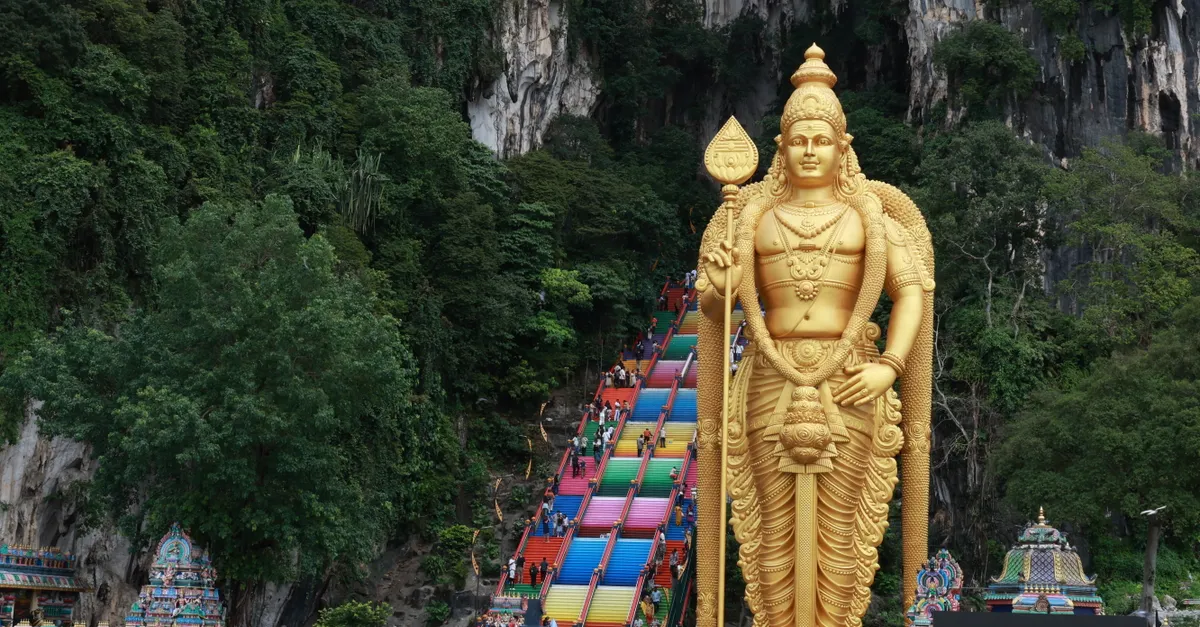
The colourful steps of the Batu Caves in Kuala Lumpur
Things to do · 2026

Things to do in Kuala Lumpur

The 8 must-sees in pictures, a 3-day itinerary and all the tickets for a great trip to Malaysia's capital.

See the activities

What to do in Kuala Lumpur?

A sprawling, multicultural capital, Kuala Lumpur blends futuristic skyscrapers, colourful temples, urban jungle and legendary street food. In 3 to 4 days, take in the views from the Petronas Towers and KL Tower, climb the rainbow steps of the Batu Caves, get lost in Chinatown, and escape to Genting Highlands. Book your tickets now, then discover the 8 must-do experiences in pictures.

Comment utiliser cette page pour votre projet

What to do in Kuala Lumpur? Petronas Towers, Batu Caves, KL Tower, Chinatown… the 8 must-sees, tickets and activities for a great 2026 trip. Pour éviter une lecture superficielle, cette mise à jour ajoute les points à contrôler avant de prendre une décision, les erreurs fréquentes et une méthode simple pour comparer votre situation personnelle avec la réalité locale.

Pour le sujet Things to do in Kuala Lumpur, commencez par noter votre profil: durée prévue, ville d’arrivée, budget disponible, composition familiale, niveau de confort attendu et contraintes administratives. Les conseils deviennent beaucoup plus fiables lorsqu’ils sont appliqués à une situation précise plutôt qu’à une expatriation abstraite.

Les mots-clés à garder en tête pour cette page sont: things, kuala, lumpur. Ils servent à vérifier que l’information répond bien à une décision concrète: combien prévoir, quoi faire avant le départ, quoi contrôler sur place et quelle erreur éviter.

Choisir la bonne zone plutôt que la ville la plus connue

La Malaisie ne se résume pas à Kuala Lumpur. Le bon choix dépend de votre budget, de votre besoin de services, de votre tolérance à la chaleur, de votre rythme social et de votre accès aux transports.

Une région plus calme peut offrir une meilleure qualité de vie, mais moins d’écoles, moins d’hôpitaux spécialisés ou moins d’opportunités professionnelles. À l’inverse, une grande ville simplifie les démarches mais augmente certains coûts.

Avant de décider, passez quelques jours dans le quartier visé avec votre routine réelle: courses, repas, trajet, bruit, internet, soins et activités.

À contrôler concrètement

  • Comparer loyer + transport
  • Tester le quartier en semaine
  • Vérifier soins et écoles
  • Contrôler internet et mobilité

Questions à se poser avant de décider

Cette information suffit-elle pour agir ?

Elle sert de base de travail. Avant de réserver, signer ou payer, vérifiez toujours les conditions actuelles, votre situation personnelle et les frais qui ne sont pas visibles au premier regard.

Quel est le principal risque d’une préparation trop rapide ?

Le risque est de sous-estimer les coûts d’installation, les délais administratifs ou l’écart entre une expérience touristique et une vie quotidienne durable en Malaisie.

Que faut-il préparer en priorité ?

Préparez d’abord les documents, le budget du premier mois, une solution de logement temporaire, une assurance adaptée et une marge financière. Ces éléments évitent la plupart des blocages au démarrage.

The 8 must-sees

Petronas Twin Towers (KLCC) à Kuala Lumpur

1. Petronas Twin Towers (KLCC)

You can't miss Kuala Lumpur's icon: two 452 m steel-and-glass spires, long the world's tallest twin towers. The visit first reaches the skybridge between the towers on level 41, then the observation deck on level 86, where the 360° view sweeps across the whole Klang Valley — magical at sunset. Time slots are limited and sell out days ahead, so book online. At the foot of the towers, KLCC Park, its evening musical fountain and the Suria mall extend the visit, while nearby Bukit Bintang packs in restaurants and nightlife.
→ Living in Kuala Lumpur

Batu Caves à Kuala Lumpur

2. Batu Caves

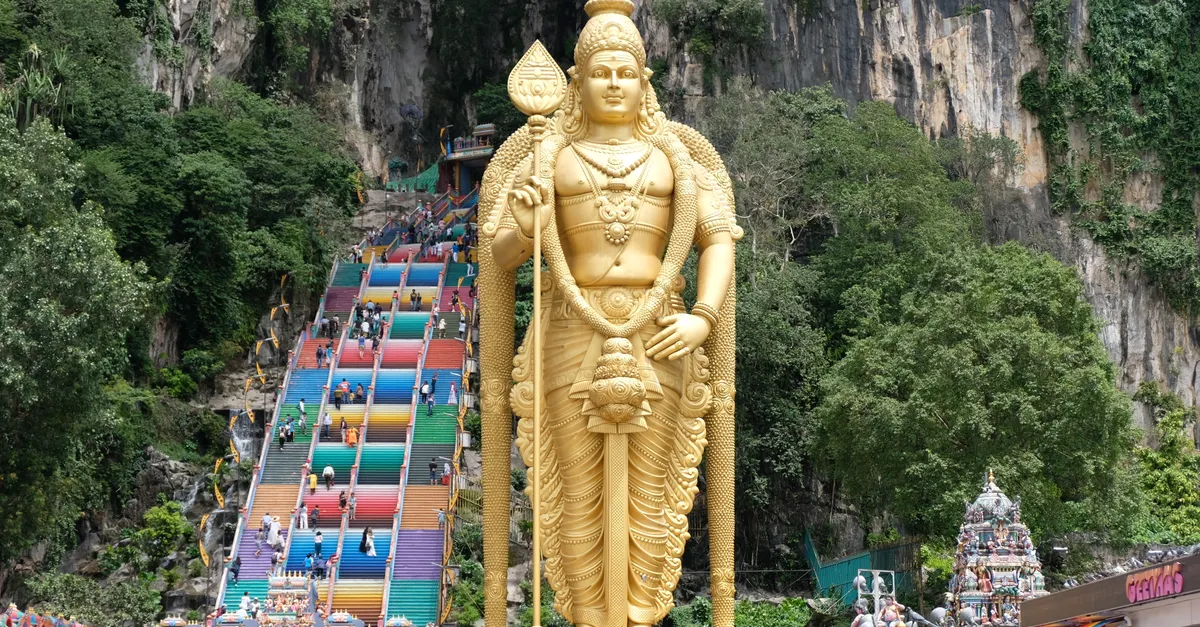
About thirty minutes north of the centre, the Batu Caves form one of the most important Hindu shrines outside India. You climb 272 now rainbow-painted steps, watched over by a 42 m golden statue of Murugan, to emerge into a vast, light-filled limestone cavern. Entry to the main shrine is free, and the site is spectacular in photos and in person. Beware the macaques, occasional thieves. Come early to avoid the crowds and heat, dress to cover shoulders and knees, and take the chance to explore the nearby Dark Cave and Ramayana Cave.

→ Getting there by train (KTM)

KL Tower (Menara KL) à Kuala Lumpur

3. KL Tower (Menara KL)

Set on Bukit Nanas hill, Menara KL rises to 421 m and offers, ironically, the best view of the Petronas Towers — which of course you can't see while standing on them. The observation deck and the Sky Box, a glass cage suspended over the void at 300 m, are a thrill for the brave. It's often quieter and cheaper than the Petronas, and stunning at golden hour. At its base, the KL Forest Eco Park preserves a patch of primary rainforest in the middle of the city, with a canopy walkway perfect for a nature break between sights.

→ Climate and best season

Aquaria KLCC à Kuala Lumpur

4. Aquaria KLCC

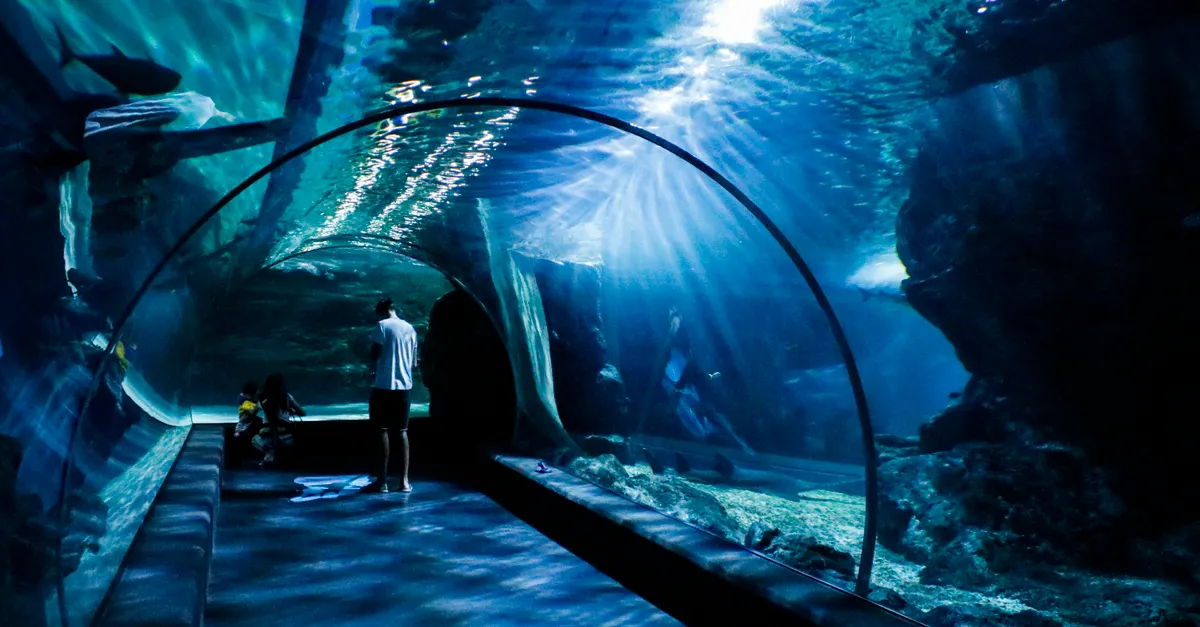
Tucked beneath the convention centre in the heart of KLCC, Aquaria is home to more than 5,000 marine and freshwater animals. The highlight is a 90 m underwater tunnel where nurse sharks, rays and turtles glide overhead as you ride a travelator. It's the perfect activity with kids or to shelter from a tropical downpour, and you can even dive with the sharks by reservation. Allow one to two hours; skip-the-line online tickets avoid queues on weekends and school holidays.

→ Trip budget

Chinatown & Petaling Street à Kuala Lumpur

5. Chinatown & Petaling Street

Beneath its famous green and red awnings, Petaling Street is the buzzing heart of Chinatown: an open-air market where you haggle over watches, leather goods and souvenirs amid the aromas of street food. All around, the Chinese Sin Sze Si Ya temple, the Hindu Sri Maha Mariamman temple and old kopitiam cafés tell the story of multicultural KL. The vibe peaks in the late afternoon and evening. Try a hokkien mee, an iced air mata kucing or a durian if you dare, then go photograph the murals of the lovingly restored Kwai Chai Hong lane.

→ What to eat in Malaysia

KL Bird Park & Perdana Gardens à Kuala Lumpur

6. KL Bird Park & Perdana Gardens

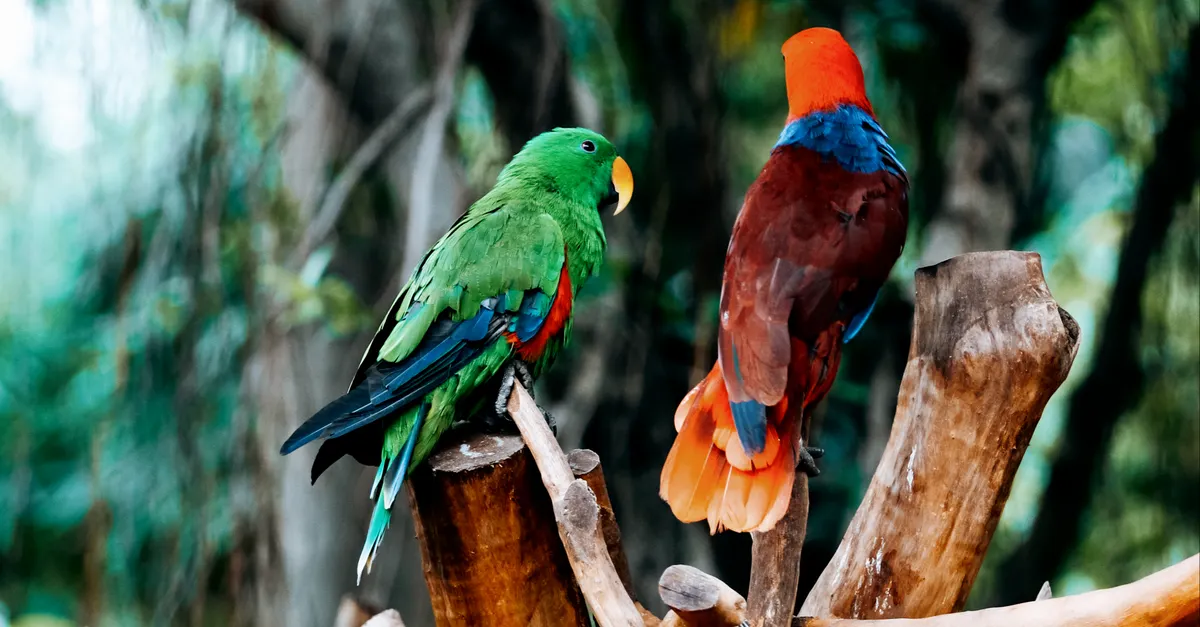
In the heart of the Perdana Botanical Gardens, KL Bird Park bills itself as the world's largest free-flight aviary: over 3,000 birds of 200 species — hornbills, peacocks, flamingos, parrots — roam freely around visitors across nearly 8 hectares. Feedings and shows punctuate the day, and kids love it. It pairs easily with the neighbouring botanical gardens, the orchid garden, the hibiscus garden and the Deer Park for a green morning away from the concrete. Bring a hat and water — shade is patchy.

→ Parks and biodiversity

Genting Highlands à Kuala Lumpur

7. Genting Highlands

An hour's drive away at 1,800 m, Genting swaps KL's humidity for crisp mountain air, often wrapped in cloud. You ride up on the Awana SkyWay, one of Asia's fastest cable cars, to reach a surreal resort blending the open-air SkyWorld theme park, indoor rides, giant malls and the country's only legal casino. It's the quintessential day trip, especially when the capital's heat becomes overwhelming. Bring a light layer, and book park tickets online, particularly at weekends.

→ Other regions to explore

Islamic Arts Museum à Kuala Lumpur

8. Islamic Arts Museum

Often missed by tour circuits, the Islamic Arts Museum holds one of Asia's richest Islamic art collections: illuminated manuscripts, ceramics, finely worked weapons, textiles and, above all, a hall of scale models of the world's great mosques, all beneath strikingly elegant domes. Air-conditioned, calm and bright, it's a perfect cultural counterpoint to the city's bustle. The café and shop are worth a look. Right next to the Bird Park and Perdana gardens, it slots ideally into a nature-and-culture morning.

→ Malaysian culture

Suggested itinerary: 3 days in Kuala Lumpur

Day 1 — The modern centre. Morning at the Petronas Towers and KLCC Park, lunch at Suria, afternoon at Aquaria, then sunset atop KL Tower and dinner in Bukit Bintang.

Day 2 — Nature & culture. Early morning at the Batu Caves; back for KL Bird Park and the Perdana gardens, then the Islamic Arts Museum. Evening in Chinatown and Petaling Street.

Day 3 — Day trip. A day at Genting Highlands (cable car + SkyWorld park), or a detour to Putrajaya and its mosques, before heading to the paradise islands.

Practical tips

The centre is covered by metro (LRT/MRT) and monorail; for Batu Caves, the KTM Komuter line runs straight to the station, and otherwise, Grab is unbeatable. It is hot and humid year-round (see our climate page): water, sunscreen and modest clothing for temples. To eat, head to the hawker centres and halal. KL is a safe city — see our safety. And to budget the trip, see our Malaysia travel budget.

Getting there:

Compare flights to Malaysia — relevé en direct.

Frequently asked questions

How many days to visit Kuala Lumpur?

Plan 3 to 4 days for the must-sees (Petronas, Batu Caves, KL Tower, Chinatown) and a Genting Highlands day trip.

Should I book Petronas Towers tickets in advance?

Yes, strongly recommended: slots sell out fast, especially late in the day. Booking online skips the queue.

Are the Batu Caves free?

Access to the main shrine is free; only some side caves are paid. Cover shoulders and knees.

When is the best time to visit?

KL can be visited year-round. June to August are slightly drier; short showers remain possible.

How do I get from the airport to the centre?

The KLIA Ekspres links the airport to KL Sentral in 28 min; Grab and buses are cheaper. See our arrival formalities.

🛏️ Where to stay in Kuala Lumpur →