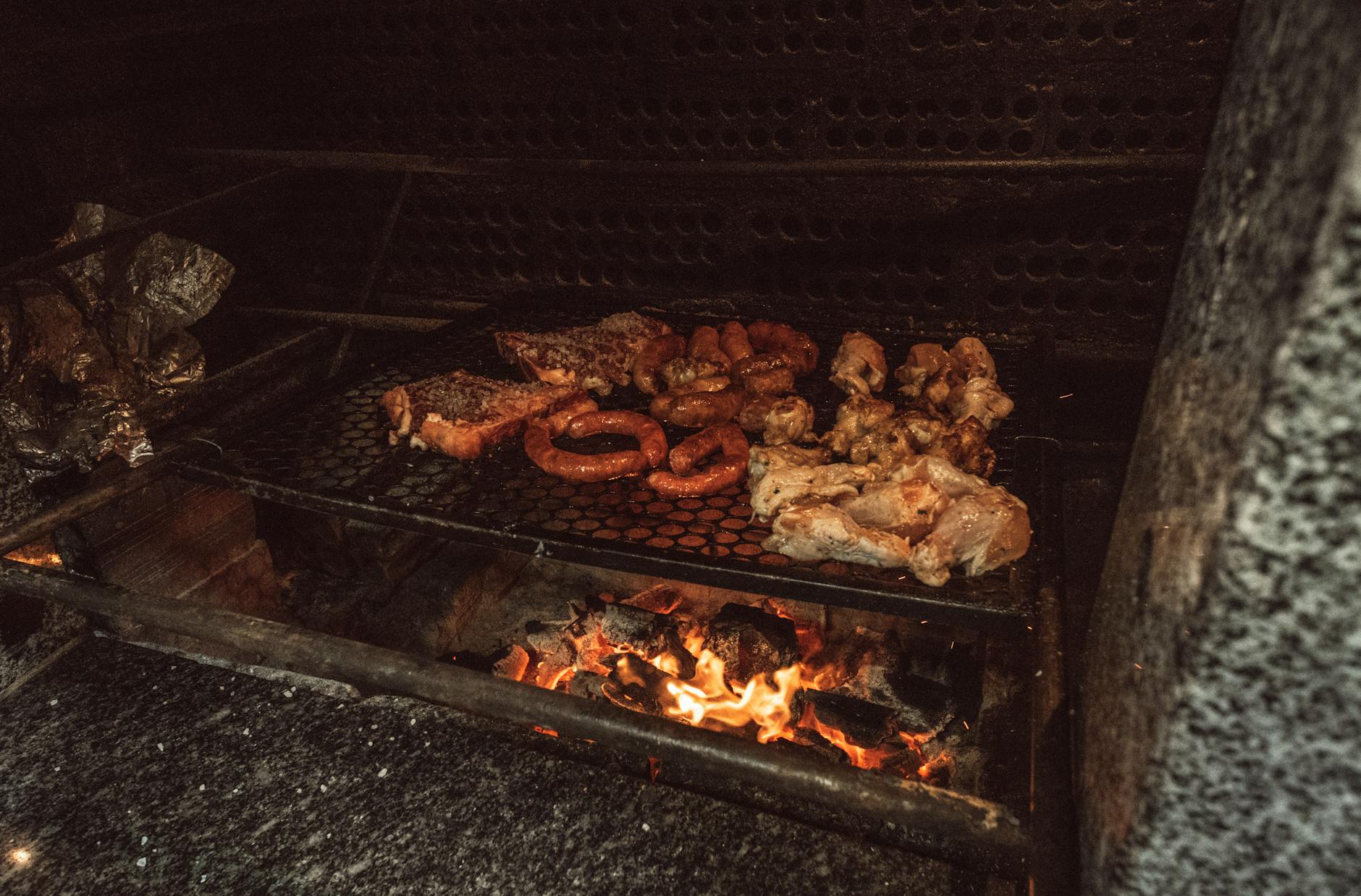
Colorful Malaysian street food
2026 Edition

Flavor Odyssey:
Malaysian Gastronomy

Dive into Southeast Asia's most fascinating culinary melting pot. A comprehensive guide for expatriates and travelers seeking authenticity.

More than a cuisine, a plural heritage

Malaysian gastronomy is not a monolithic entity. It is a complex symphony where the traditions of the country's three main communities blend: the Malays, the Chinese, and the Indians. To this are added subtle influences from Thailand to the north, Indonesia to the south, and the European colonial heritage.

As an expatriate, understanding a restaurant menu is like deciphering the country's history. Every bite tells of the silk roads, the spice trade, and centuries-old migrations. It is this diversity that makes Malaysia one of the most sought-after culinary destinations in the world in 2026.

"In Malaysia, the question 'Sudah makan?' (Have you eaten yet?) often replaces a simple 'Hello'. This testifies to the central place of food in the social fabric."
Malaysian spices Malaysian chef at work

The Malaysian Chef's Arsenal

Coconut Milk (Santan)

Essential for providing that characteristic creaminess. It softens the heat of the chilies in curries and forms the base of the famous Nasi Lemak rice.

Shrimp Paste (Belacan)

A strong smell but an irreplaceable umami taste once cooked. It is the secret soul of many dishes and sambals (chili pastes).

Galangal & Lemongrass

These roots bring a citrusy and woody freshness, perfectly balancing the richness of slow-cooked meat dishes.

The Pantheon of National Dishes

If you only taste a few specialties when you settle in, here are the pillars of the Malaysian table.

Traditional Nasi Lemak

Nasi Lemak: The King of Breakfast

Considered the national dish, Nasi Lemak is much more than a simple meal. It consists of rice cooked in coconut milk and pandan leaves, served with sambal (a spicy chili paste), fried anchovies (ikan bilis), roasted peanuts, cucumber slices, and a hard-boiled egg.

Traditionally wrapped in a banana leaf, it can be found on every street corner for a few ringgits. To learn more about prices, check our guide on the cost of living in Malaysia.

  • Creamy
  • Spicy
  • Crunchy
  • Aromatic
Beef Rendang

Beef Rendang: The Quintessence of Patience

Of Minangkabau origin, this "dry" curry is the result of several hours of simmering. The beef is slow-cooked in coconut milk and a complex blend of spices until the liquid evaporates, leaving the meat absolutely tender, coated in a rich and intense sauce.

It is the star dish of celebrations like Hari Raya. Learn more about these traditions in our article on national and religious holidays.

Chef's secret:

The use of "Kerisik" (grated coconut toasted until brown and oily) gives Rendang its grainy texture and unique nutty flavor.

The Street Food Experience: A Bento of Delights

Satay over fire

Satay

Meat skewers marinated in turmeric, grilled over charcoal and served with an addictive peanut sauce.

Char Kuey Teow

Rice noodles fried at high temperature to obtain "wok hei" (breath of the wok). A Penang classic.

Roti Canai

Roti Canai

Flaky flatbread of Indian origin, served with dhal or curry. The most economical and popular meal.

Mamak Essential

Assam Laksa

A rice noodle soup with an acidic (tamarind) and spicy fish broth. An explosion of umami, sour, and spicy flavors that awakens the taste buds.

Cendol

Shaved ice, coconut milk, palm sugar (Gula Melaka), and green rice flour noodles. The ultimate dessert against the heat.

Dining Budget Simulator

Estimate the cost of your daily meals according to your preferences in 2026.

1 MEAL 5 MEALS

Daily Estimate

45 MYR

Approximately 9.50


🌶️ Budget for drinks to soothe the spice!
This simulator uses average prices observed in Kuala Lumpur in 2026.

Drinking and Refreshing

Malaysia's tropical climate has given birth to a rich and varied drinking culture. Teh Tarik (pulled tea) is the national emblem: a black tea mixed with condensed milk, poured from one container to another to create a creamy foam and lower its temperature.

Kopi O

Traditional black coffee roasted with sugar and margarine for a unique chocolatey aroma.

🍋

Limau Ais

Fresh lime juice served on ice, often with dried sour plum (Asam Boi) added.

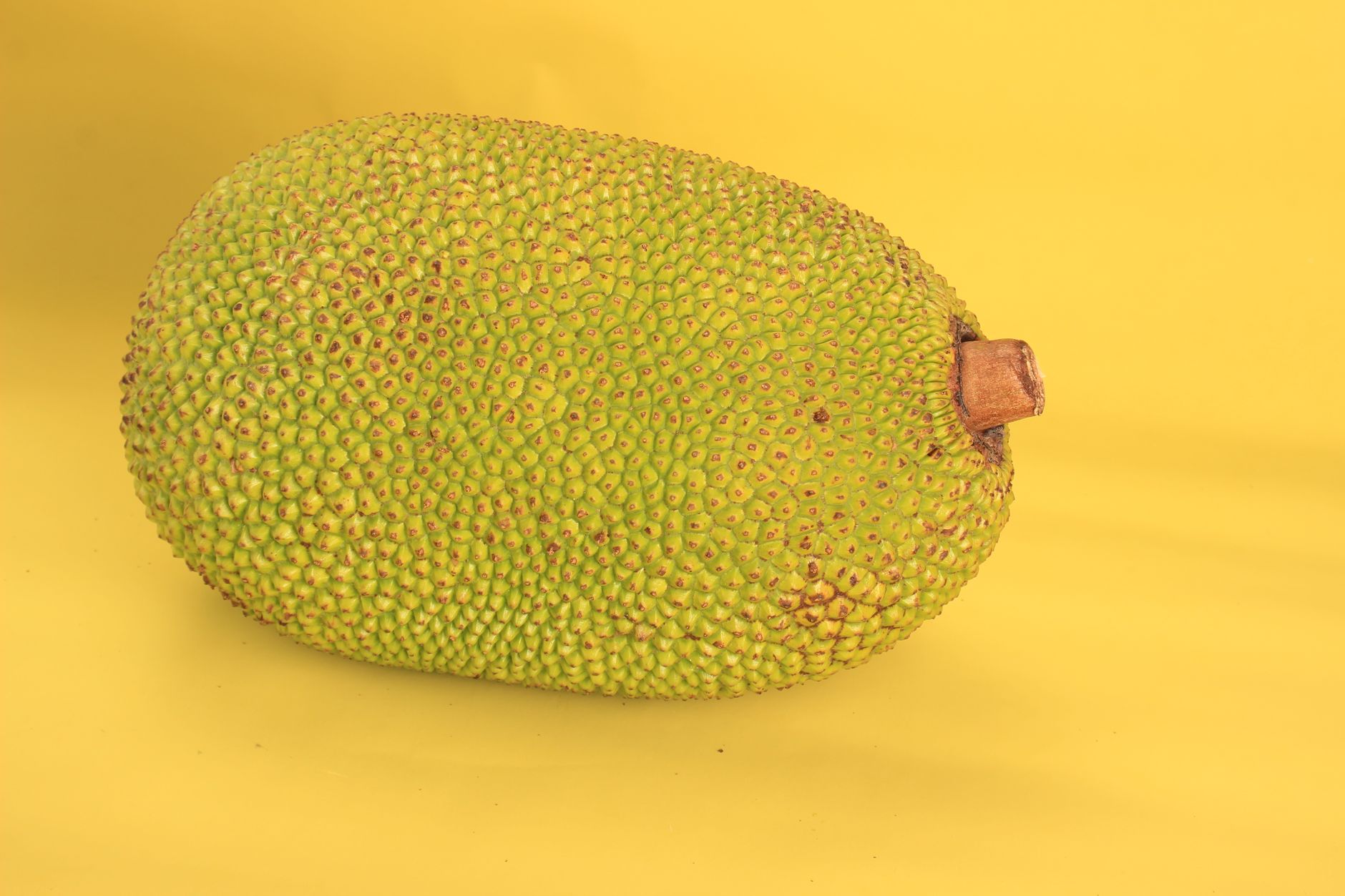
The Durian Enigma

Opened durian

"Smells like hell, tastes like heaven." Durian is the king of fruits in Malaysia. Its smell is so strong that it is banned from hotels and public transport (see our transport etiquette rules).

Expat tip: Wait for the season (June to August) to taste high-end varieties like "Musang King" or "Black Thorn".

Frequently Asked Questions about Local Cuisine

Is it safe to eat street food?

Yes, generally. Malaysia has strict hygiene standards. Favor stalls where there are crowds and where food is prepared in front of you at high temperature. For more precautions, read our guide on health in Malaysia.

How to ask for "not spicy" at a restaurant?

Say "Tak mahu pedas" (no chili). However, be aware that in many dishes, chili is already integrated into the base. If you are very sensitive, favor non-spicy Chinese cuisine.

What is a "Mamak" restaurant?

These are restaurants run by Muslims of Indian origin. Open 24/7, they are the beating heart of Malaysian social life. People drink Teh Tarik while watching football or chatting until dawn.

Is pork easily found?

Pork is only served in "non-halal" restaurants, mainly Chinese or international. Muslim establishments are strictly "Halal". Consult our halal cuisine guide for more details.

What is the usual tip?

Tipping is not mandatory. Restaurants generally add 10% Service Charge and 6% government tax (SST) to the bill.

Ready to delight your taste buds?

Join our community to discover the best spots tested and approved by French-speaking expatriates.