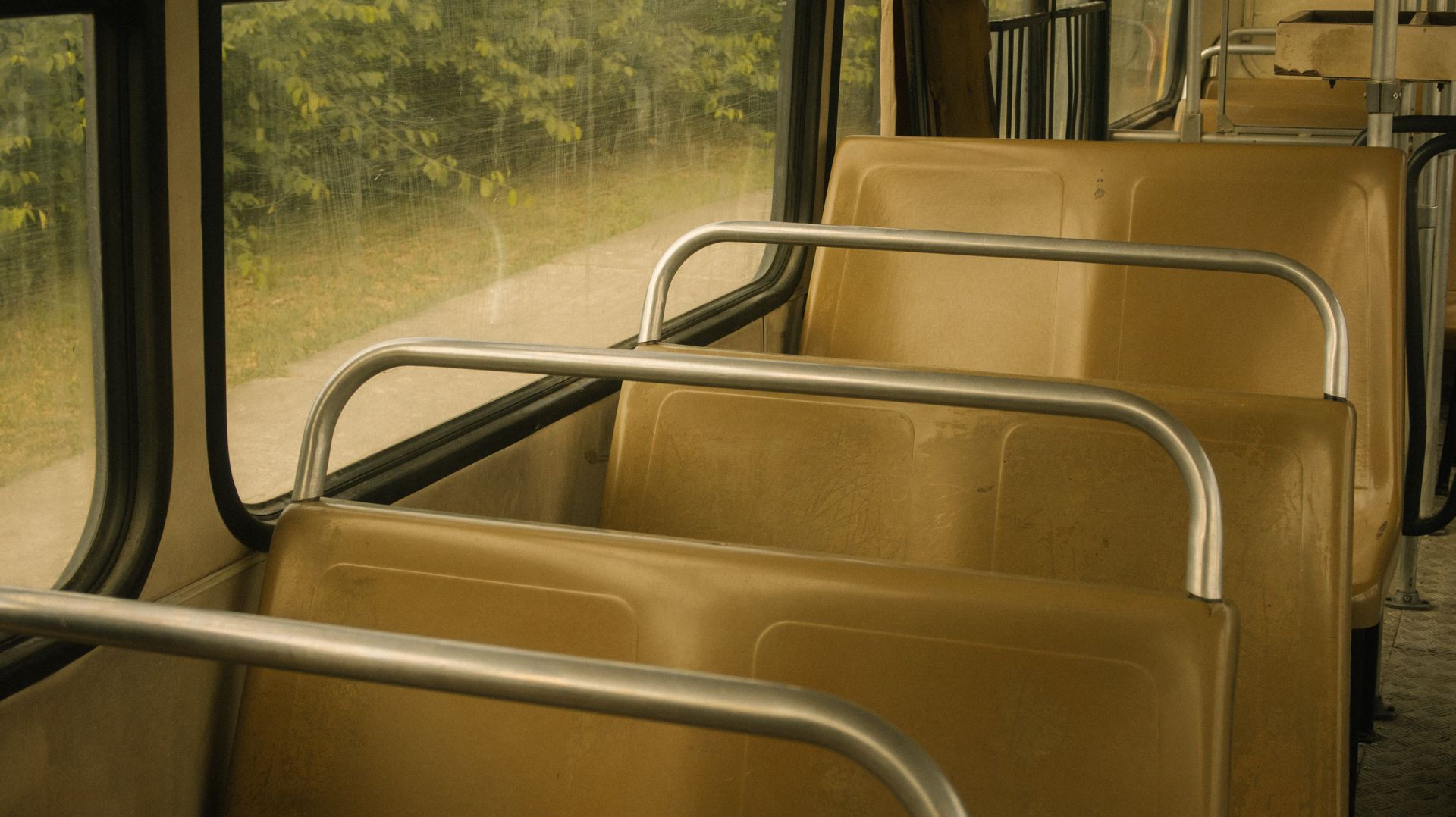
Modern transport in Kuala Lumpur
Etiquette Guide 2026

Navigating Malaysia: The Art of Balance and Respect

Much more than just a trip, using public transport in Malaysia is an immersion into a culture of tolerance and courtesy. Discover how to travel with elegance in this crossroads of civilizations.

They trust us for their move in 2026

RapidKL KTM Berhad Malaysian Tourism Expat Network Francophonie Malaysia

A Human Mosaic Unique in the World

Malaysia in 2026 remains this fascinating blend where the skyscrapers of Kuala Lumpur stand alongside the ancient jungles of Taman Negara. This diversity is not just architectural; it is primarily human. The country's cultural richness draws its roots from the centuries-old crossing of Malay, Indian, Chinese, and Javanese populations.

Every journey on the monorail or bus is a sociology lesson. You will encounter the majority religion of Islam, practiced with exemplary tolerance, the Buddhism of Chinese communities, and the vibrant Hinduism of Indian districts. Understanding this spiritual dimension is the key to harmonious etiquette. Here, respect for ancestors and local traditions, especially rites of passage, influences every daily gesture.

"In Malaysia, politeness is not limited to words; it is expressed in respectful silence and the space given to others."

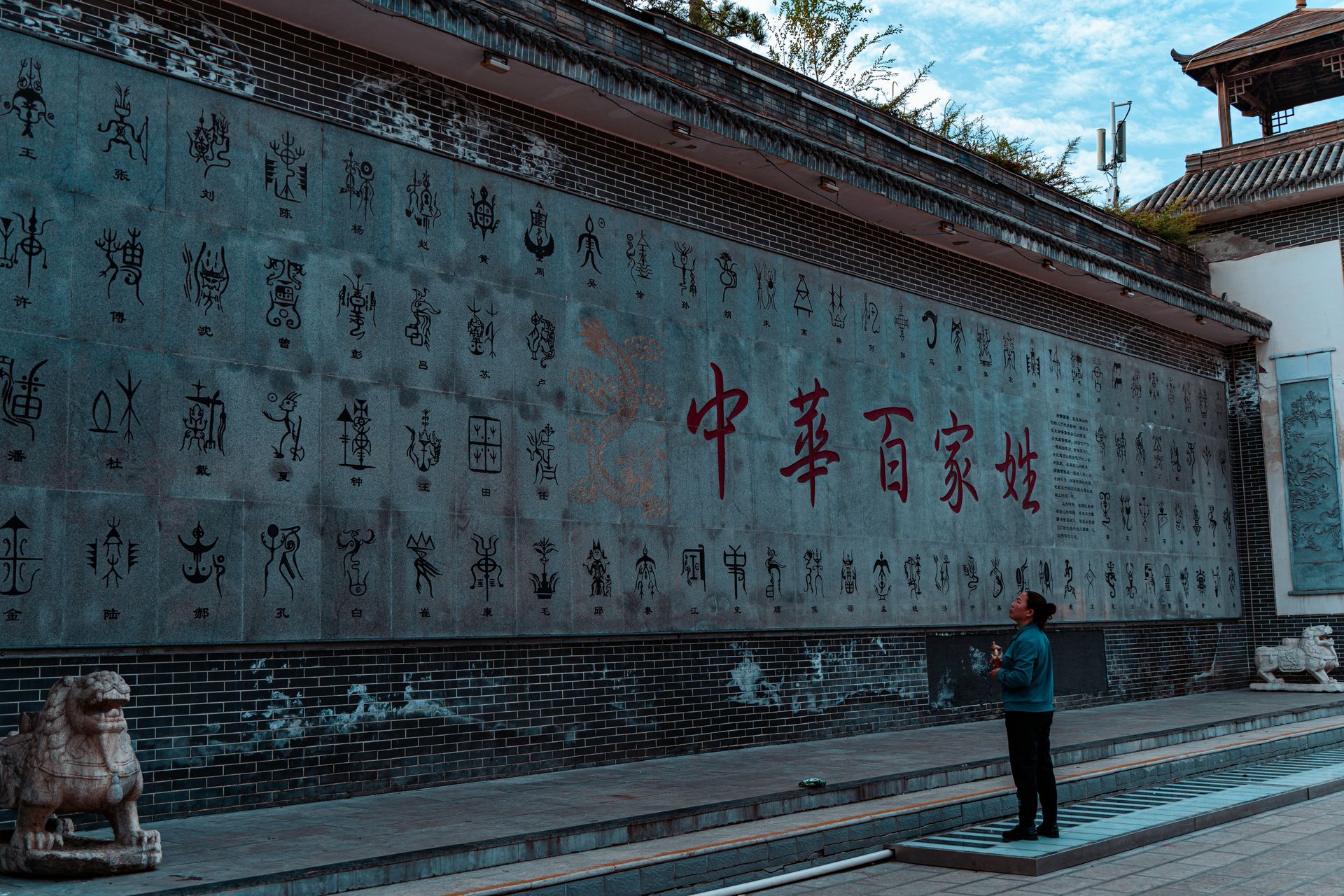
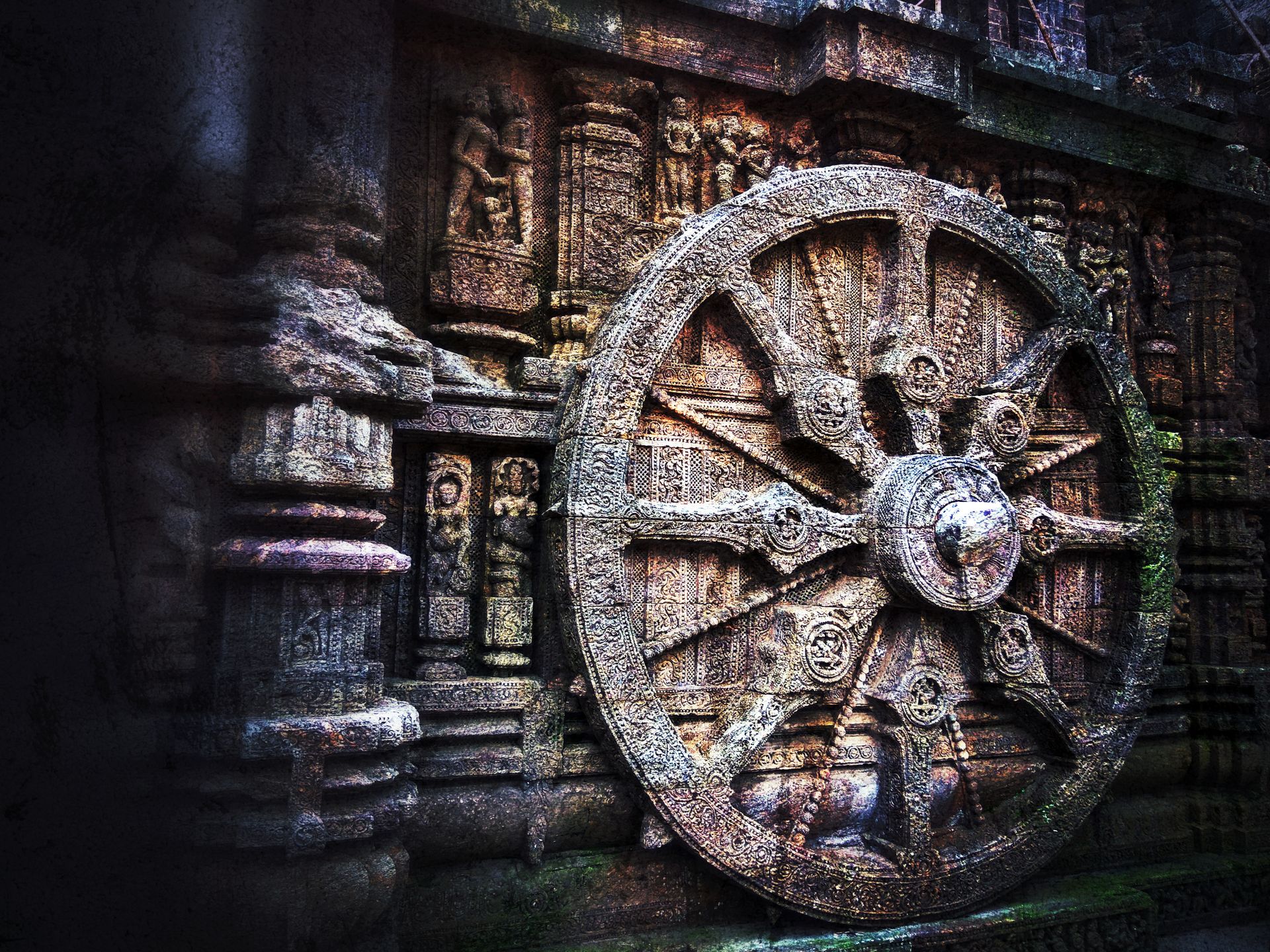
Culture Malaysia Malaysian Temple Local market Malaysian People

Transport Etiquette

Avoid cultural faux pas with these fundamental principles of Malaysian etiquette.

The Sacred Hand and the Profane Hand

In local traditions, especially Malay and Indian, the left hand is reserved for personal hygiene. Never use it to pay for your bus ticket, hand over your transport card, or point in a direction. Always use the right hand or both hands as a sign of extreme respect.

👋

Pointing with Your Finger? Never!

Pointing at a person or even an object with your index finger is perceived as aggressive. Malaysians use their right thumb, with a closed fist, to indicate a direction or a stop.

Physical Contact

The head is considered the most sacred part of the body. Never touch a passenger's head, even a child's. Likewise, avoid physical contact between opposite sexes in queues.

Greeting

The Nod (Salam)

Rather than a firm handshake, prefer a slight nod with the right hand over the heart. This is the "Salam" greeting gesture, which shows great consideration. In crowded buses, a simple soft gaze and a slight movement of the head are enough to say thank you.

Learn more about the culture →

Malaysian Courtesy Simulator

Test your "Harmony Score" for your future journeys in 2026.

Situation 1: You need to pay the bus driver in cash.

Situation 2: A pink coach stops in front of you on the MRT.

Situation 3: You are carrying a very strong-smelling local fruit (Durian).

The Mobility Ecosystem

Malaysia Bus
Road Network

Bus: The Beating Heart of the Country

The Malaysian bus network is exemplary. Operators like RapidKL manage urban flows, while giants like Konsortium Transnasional or the premium service Aeroline connect cities.

  • Go KL City Bus: Free and eco-friendly in central KL.
  • Air Conditioning: Be warned, it is often freezing. Bring a jacket.
  • Politeness: Let passengers off before boarding.
Kuala Lumpur Metro
Urban Rail

Monorail, LRT, and MRT: KLite Fluidity

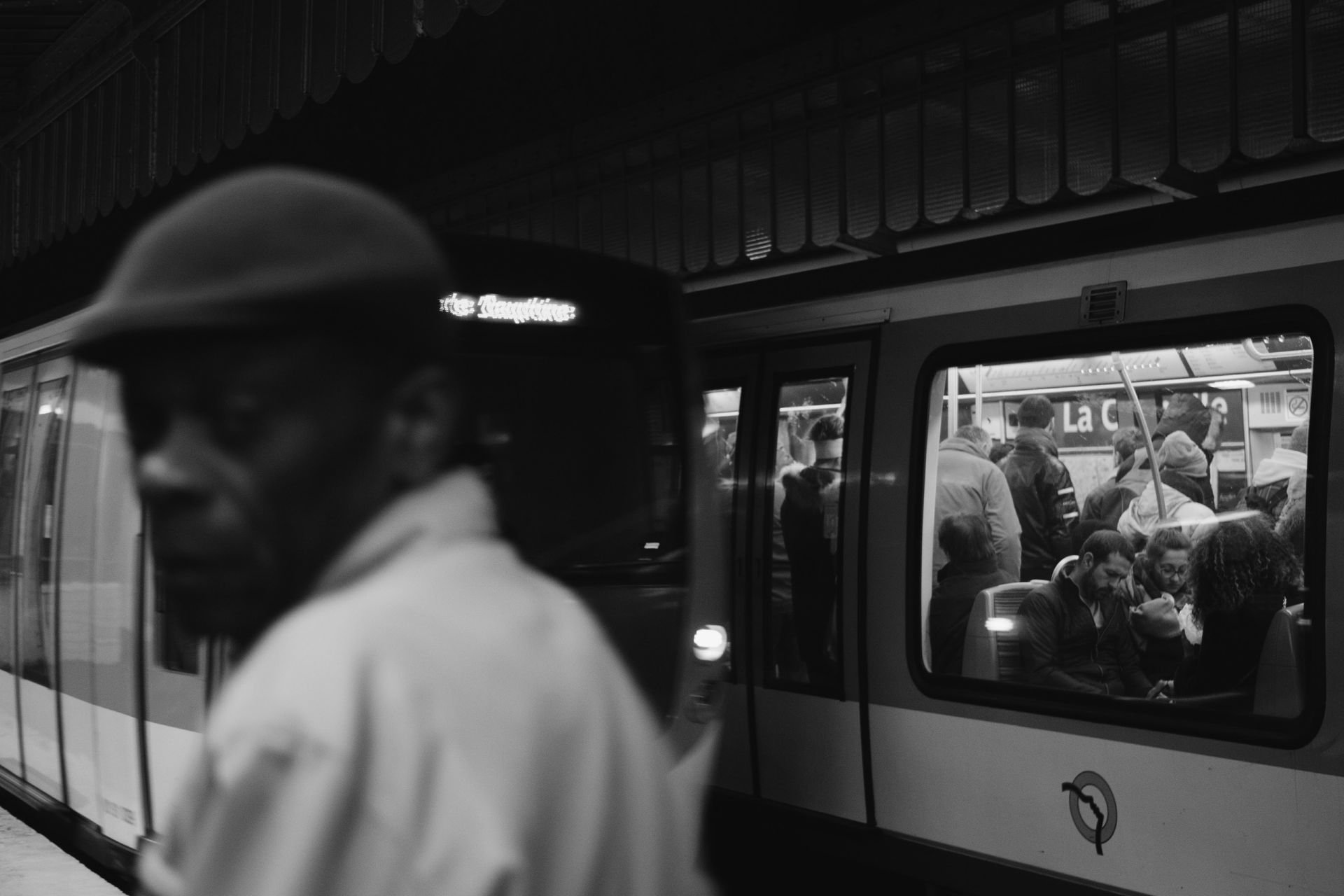
In Kuala Lumpur, rail is king. The LRT, Monorail, and MRT form an efficient web. The KTM Komuter serves the more distant suburbs.

KLIA Ekspres 28 min to the airport. A must for layovers.
Pink Coaches Reserved areas for women for their comfort.

Tip: Use a Touch 'n Go card for all your trips; it is accepted everywhere in 2026.

Eating while traveling: A delicate balance

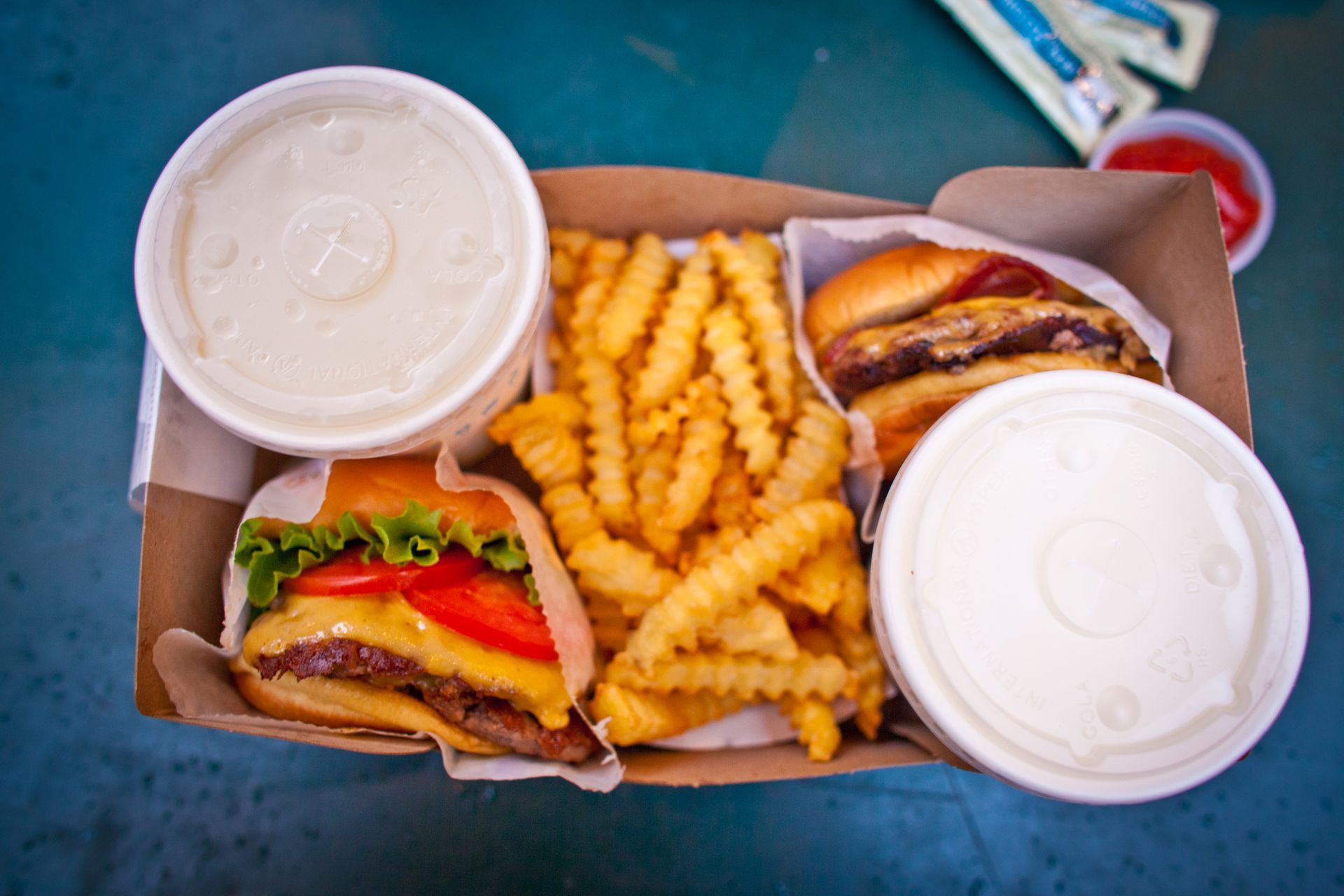
Cultural mixing is also savored on the plate. Rice, hot spices, and sambal sauces are the pillars of Malaysian gastronomy. If you travel by long-distance train, you will have the chance to taste the famous Nasi Lemak or Satay.

However, in urban transport (LRT/MRT), it is strictly forbidden to eat or drink. This rule guarantees the impeccable cleanliness of the network. On the other hand, at bus stops and in stations, don't miss the Teh Tarik (pulled tea) served in practical plastic bags to take away.

#NasiLemak #DurianFreeZones #TehTarik
Malaysia Cuisine

Alternative and Regional Connectivity

🚕

Taxis & Grab

The Grab app is the absolute reference. It avoids fare negotiations with local taxi drivers who sometimes refuse to use the meter. For long distances, shared taxis are economical and very common.

Essential Apps →

Ferries & Boats

Essential for reaching paradise islands like Langkawi or the Perhentian Islands. In Sarawak and Sabah (Borneo), boats are often the only means of transport to reach the deep wild lands.

Discover the regions →

Domestic Flights

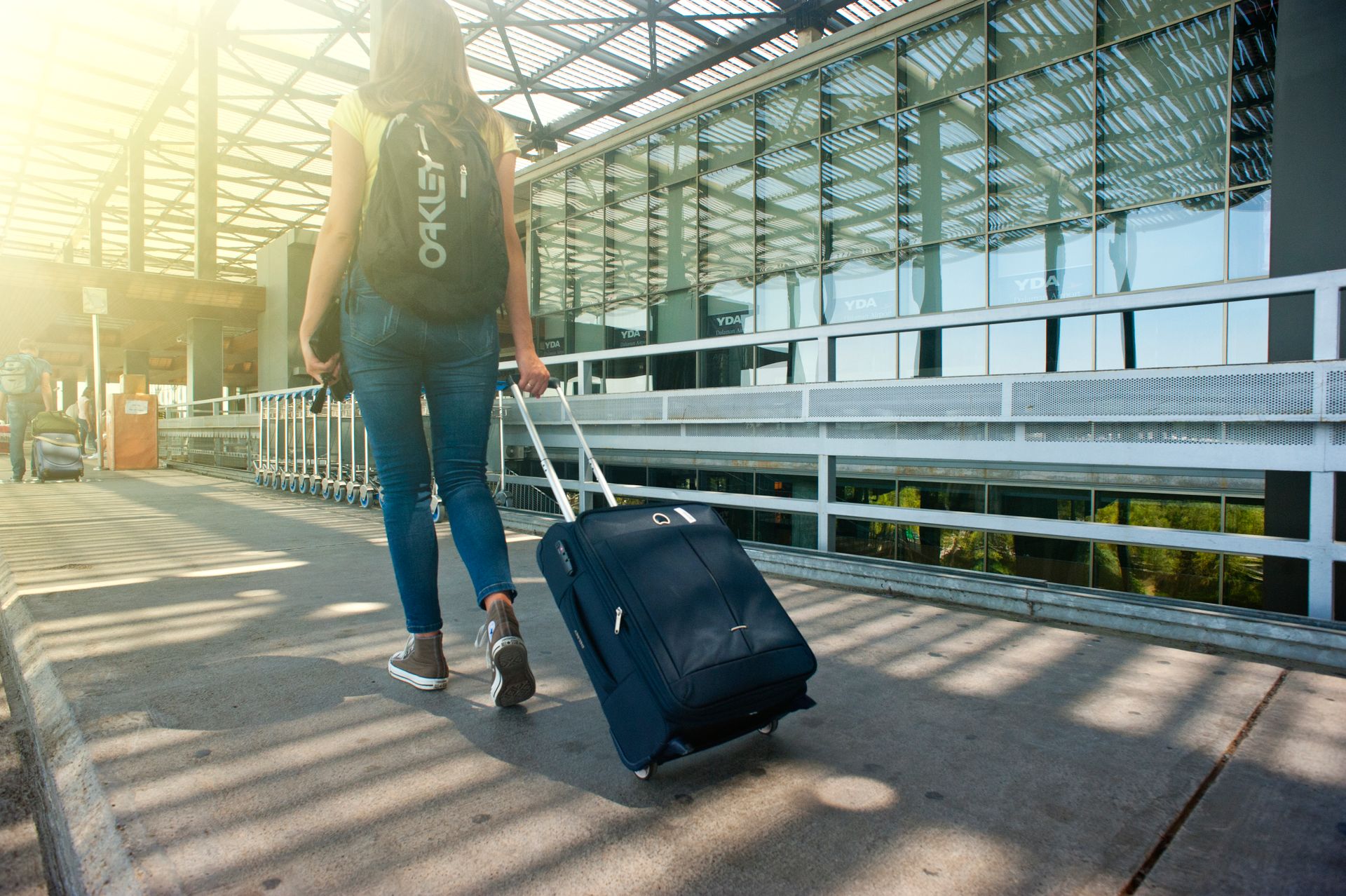
With AirAsia and Malaysia Airlines, crossing the country is fast and inexpensive. Beware of strict baggage limitations on the small planes serving remote areas of Borneo.

Flight guide →

Which transport to choose in 2026?

Mode Speed Cost Etiquette Level Required
Train (LRT/MRT) High (in city) Low Maximum (Silence, Queues)
Intercity Bus Average Very Low High (Punctuality, Clothing)
Grab / Taxi High (Flexible) Moderate Personal (Driver courtesy)
Car Rental Optimal High Road (Left-hand drive)

Note: Left-hand drive is a British legacy still in effect in 2026. See permit formalities.

Frequently Asked Questions

Is it mandatory to take off your shoes on transport?

No, in public buses and trains, you keep your shoes on. However, in some rural private taxis or if you are invited into a local's personal vehicle, it is customary to ask if you should remove them.

Are women traveling alone safe?

Absolutely. Malaysia is one of the safest countries in Southeast Asia. The "Ladies Coaches" (pink coaches) in trains are there to offer additional comfort and peace of mind. Check out our guide for female expatriates.

Can I drink water on the metro?

Technically, all food or drink is prohibited. A discreet sip of water in case of high heat is generally tolerated, but avoid open bottles and sodas.

What is the gesture to call a bus or a taxi?

Extend your arm, but keep your palm facing the ground and make an up-and-down motion with your fingers. Pointing your palm upwards or calling with a finger is perceived as rude.

Is wearing a mask still relevant in 2026?

While not mandatory, many Malaysians continue to wear them out of civic duty when they have a cold or in very confined spaces. It is a mark of respect for the health of others.

How to behave during religious festivals?

During Ramadan or Deepavali, transport can be crowded. Be even more patient and avoid eating ostentatiously in front of those who are fasting. Consult the festival calendar.

Is there a specific dress code?

Modesty is the rule. Avoid outfits that are too short or disheveled. Proper attire will earn you more respect from ticket inspectors and other passengers.

Travel

Ready to explore Malaysia?

Join our expat community and benefit from personalized advice for your relocation in 2026.